
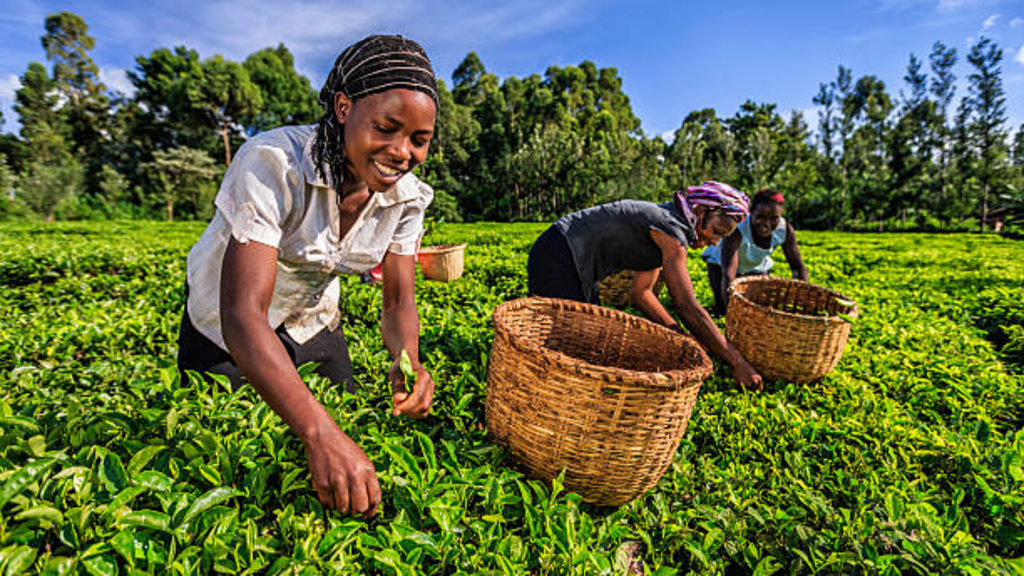
For many people around the world, the day begins with a cup of tea.
Whether it is shared among family members at breakfast, offered to guests as a sign of hospitality, or enjoyed quietly during a busy day, tea has become far more than just a drink. It is a tradition, a livelihood, a cultural symbol and for millions of people, a source of survival.
This week, the world marks International Tea Day, highlighting the enduring importance of one of the world’s oldest and most widely consumed beverages.
Led by the Food and Agriculture Organization of the United Nations, this year’s observance carries the theme “Sustaining Tea, Supporting Communities”, focusing on the millions of workers, farmers and families whose lives are tied to the tea industry.
The origins of tea date back more than 5,000 years, yet its relevance remains strong in modern society.
Today, tea is consumed in almost every corner of the world and is recognised as the second most consumed beverage globally after water.
Behind every cup, however, is an industry that supports livelihoods, drives economies and preserves cultural heritage.
According to the FAO, more than 13 million people depend directly on the tea sector for their livelihoods, with smallholder farmers producing about 60 per cent of the world’s tea supply.
Global tea production is estimated at around 7.3 million tonnes in 2025, generating nearly US$19.5 billion or around $43.09 billion annually.
Tea also remains a major export commodity, with the value of global tea trade estimated at about USD9.4 billion every year.
For many developing countries, tea production is more than an agricultural activity. It provides employment, supports rural communities and contributes to food security.
Tea export earnings also help many nations finance food imports and strengthen national economies.
The industry is particularly important for women, who make up a large part of the tea workforce.
From planting and harvesting to processing and marketing, women continue to play a critical role in sustaining tea-growing communities worldwide.
But while the sector continues to grow, it is also facing increasing challenges.
Tea thrives under very specific environmental and climatic conditions, making it highly vulnerable to climate change. Rising temperatures, irregular rainfall, prolonged droughts and changing weather patterns are affecting tea-growing regions across the globe.
The FAO warns that climate variability threatens both the quality and quantity of tea production, placing additional pressure on smallholder farmers who are already vulnerable to economic shocks.
As a result, this year’s International Tea Day observance is placing strong emphasis on sustainability and resilience “from field to cup”.
The celebration at FAO headquarters in Rome will include cultural performances, tea tasting experiences and interactive sessions showcasing tea traditions from participating countries.
The event aims not only to celebrate tea’s rich heritage, but also to encourage more sustainable production and transparent value chains that benefit both people and the environment.
The observance also serves as a reminder that tea is deeply woven into cultural identity and social connection.
Across Asia, Africa, the Middle East and the Pacific, tea has long symbolised friendship, hospitality and community. Different varieties and preparation methods reflect centuries of history and tradition, from ceremonial tea practices in East Asia to everyday black tea shared in homes and villages around the world.
Despite its global popularity, experts believe there is still significant growth potential in tea consumption, especially in producing countries where per capita consumption remains relatively low.
At the same time, there is growing awareness about the need for environmentally responsible farming practices and stronger support systems for small producers.
International Tea Day ultimately celebrates more than a beverage.
It celebrates the farmers who cultivate it, the workers who process it, the cultures that preserve it and the communities that continue to gather around it.
In a rapidly changing world, a simple cup of tea remains a powerful symbol of comfort, resilience and connection.
Picture: CABI BLOG

