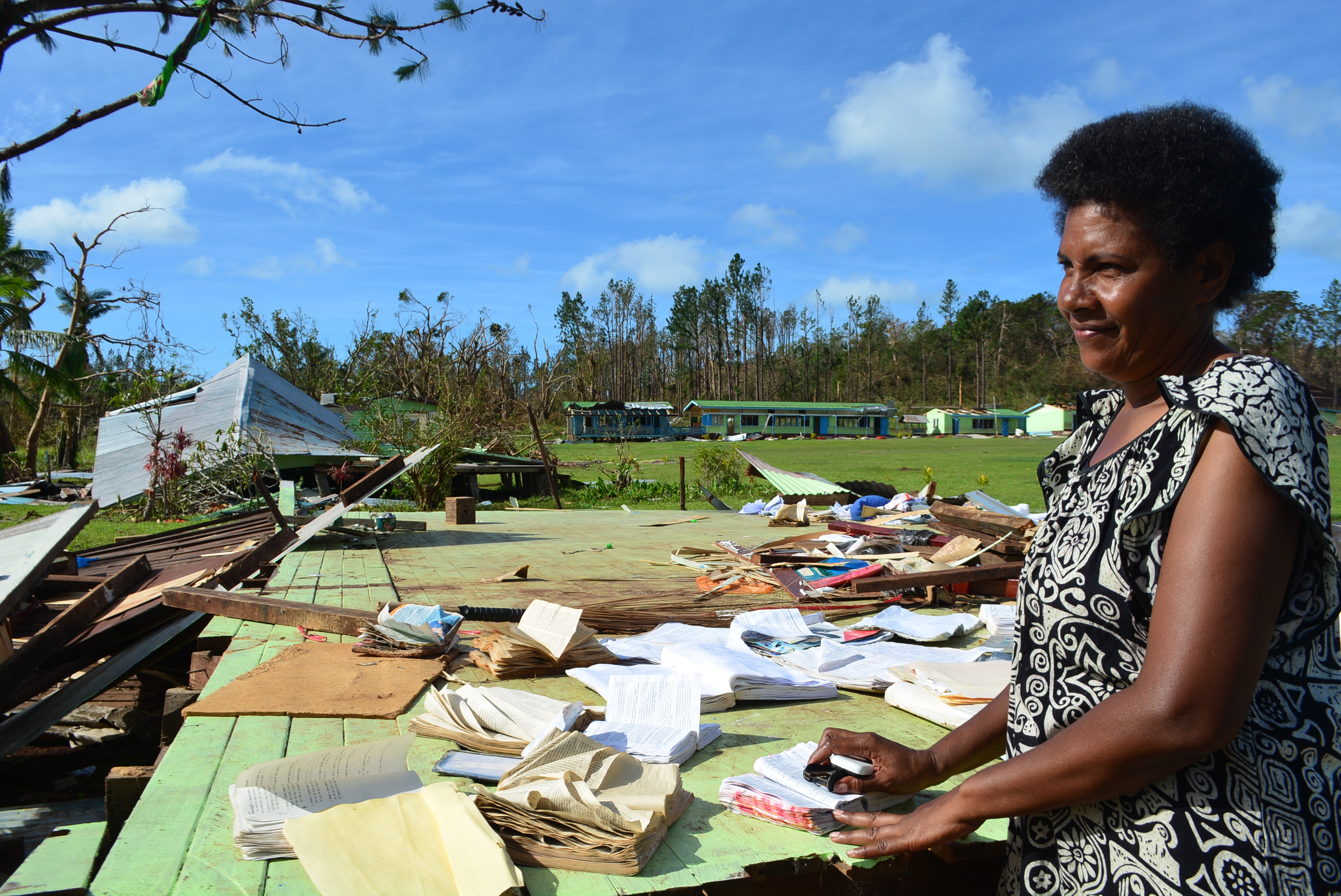
IN February 2016, Fiji was hit by what was described as “most intense cyclone on record to affect the country”.
Category 5 Severe Tropical Cyclone Winston bore down on an unprepared population with such merciless ferocity that within hours, tens of thousands were homeless, 44 people had died and
national infrastructure had been transformed into useless piles of debris.
Over the next few weeks, the Fijian government was staring at an almost $2 billion damage bill that it would later scramble around to find money for.
In a post-disaster needs assessment report prepared by the government at the time, it was estimated that the total value of damage from TC Winston was $1.99 billion (breakdown: $1.29 billion in destroyed physical assets and $0.71 billion in losses).
“The storm brought down the power and communications systems linking the islands, with approximately 80 per cent of the nation’s population losing power, including the entire island of Vanua
Levu, and 44 fatalities were subsequently confirmed. Entire communities were destroyed and approximately 40,000 people required immediate assistance following the cyclone; 30,369 houses, 495 schools and 88 health clinics and medical facilities were damaged or destroyed. In addition, the cyclone destroyed crops on a large scale and compromised the livelihoods of almost 60 per cent
of Fiji’s population,” authors of the report wrote.
“The combined value of destroyed assets and disruptions in the production of goods and services is equivalent to about one fifth of the country’s 2014 gross domestic product (GDP).”
At maximum average wind speeds of 233km/hour and gusts that peaked at around 306km/hour, TC Winston had etched its name firmly in history as “one of the most powerful cyclones ever recorded in the Southern Hemisphere.”
Insurance
With the nation’s already stretched budget dollar unable to accommodate any more additional cost, let alone unexpected ones, the decision by government to finally invest in a climate-based
parametric insurance policy has been seen as a move in the right direction.
TC Winston underscored the necessity of such a decision.
“On behalf of the board and of our foundation, including our management, I have to say I’m very happy with the decision made by the Fiji government in terms of announcing that they would buy a policy from PCRIF for cyclones,” said ‘Aholotu Palu, CEO of Pacific Catastrophe Risk Insurance Company (PCRIC), which is providing the Fiji government’s insurance cover.
An insurance provider for governments in the Pacific, PCRIC traces its origin to an initial request to the World Bank by finance ministers in 2007 for an initiative to help them mitigate the costs of natural disaster.
Based in the Cook Islands, the company was finally established in 2016 and is owned by Pacific island nations through the Pacific Catastrophe Risk Insurance Foundation (PCRIF).
Fiji, according to Mr Palu, had been a key player from the start and while it toyed with the idea of buying a policy, the Government finally made a commitment in the 2023-2024 national budget.
“They submitted their commitment to us last year and they honoured it this year with the announcement in the budget, so we welcome it significantly. We’re supporting Fiji to build their resilience
against climate induced disaster.
“We have two new policies coming out which is flooding and drought. And then we’d have a conversation with Fiji whether that’s something that they would consider down the road.”
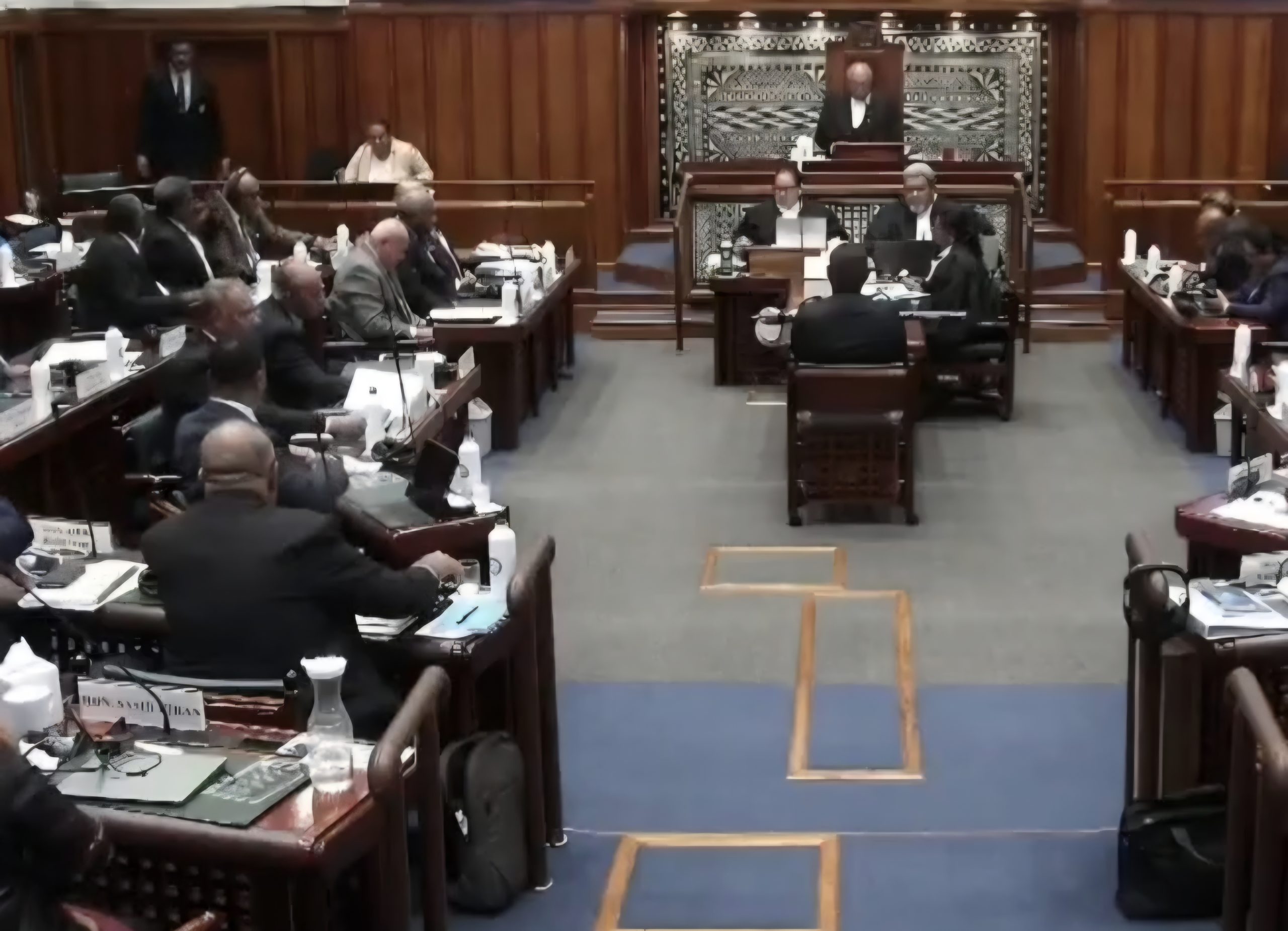
The Fiji Government has set aside $2.5m for its parametric insurance and the amount is projected to increase to $7.5m over the next two years, according to its 2023-2024 budget estimates.
“Fiji is an active member of the Pacific Catastrophe Risk Insurance Foundation (PCRIF), which enables Fiji to immediately access full suite of existing insurance products (tropical cyclone, earthquake/tsunami). The Government of Fiji is considering two insurance covers — ‘Cat-in-a-Circle’ and ‘Excess Rainfall’ in the next fiscal year,” it said.
“Under the Cat-in-a-Circle product, Government is eligible to receive a payout for cyclones Category 3 and above. An allocation of $2.5 million has been set aside in the 2023-2024 Budget for the subscription of parametric insurance cover. However, Government is in discussion with development partners on the possibilities of premium subsidy.”
Cat-in-a-circle
Fiji’s Cat-In-A-Circle policy is designed to activate a payout within 10 to 20 days, according to PCRIF finance and planning manager Pankaj Singh.
“Cat-in-A-Circle is a predefined circle or multiple circles and if the track of a named tropical cyclone of a specified category passes through the circle, a payout is due and is made. So, it would depend on what category Fiji chooses. From discussions we’ve had so far, it’s Cat 3, Cat 4 and Cat 5,” Mr Singh said.
“Fiji is also interested in the rainfall product that PCRIF will offer. That’s what we call rainfall/flood insurance. The formulation is in the advanced stages and the product will be ready by December and will be rolled out in January next year.”
With natural disasters increasing in intensity and frequency in the Pacific region, PCRIF’s service has become ever more
relevant.
“We see ourselves as complementing the Disaster Resilience Strategy for Pacific Island Countries. Once Fiji buys this insurance as part of its comprehensive disaster risk financing strategy, it further builds the country’s resilience against disaster events.”
PCRIF’s regional co-ordinator Akosita Drova stressed the importance of governments moving away from being insurers of the last resort whenever natural disasters strike.
“It’s prudent that they take insurance cover because they will then not make the government to be the insurer of the last resort. Every time, it’s the governments that get to bear the cost. They need to pass that risk to someone else instead of running around looking for funding whenever there is a cyclone,” Ms Drova said.
PCRIF is the only company providing climate-based parametric insurance to sovereign governments in the Pacific region and its membership, through PCRIF, includes the Cook Islands, Fiji, the Marshall Islands, Samoa, Tonga and Vanuatu and four contributing donors Germany, Japan, United Kingdom and the United States of America.