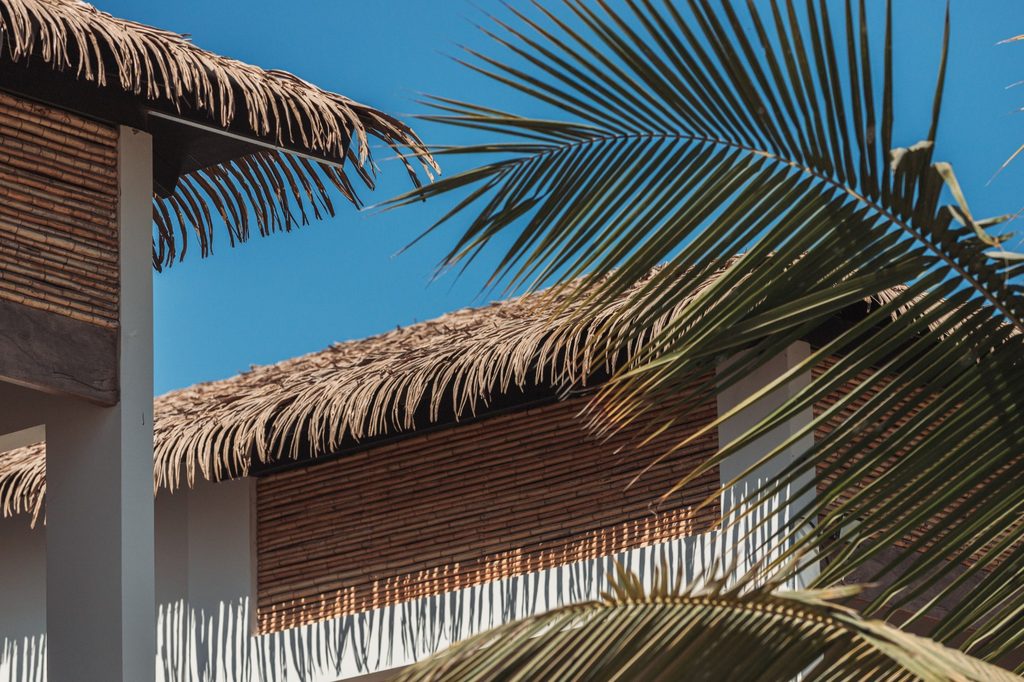
Thatched roofs are part of the picture visitors carry home from Fiji’s resorts. They signal the islands, the climate and a slower pace of life. They are also part of a problem the tourism industry is well placed to solve.
A palm found nowhere else
Much of Fiji’s traditional thatch comes from the Soga palm, a species endemic to Fiji. As tourism has grown, so has hotel demand for its leaves. Combined with harvesting without replanting, the drainage of coastal wetlands and the cutting of palms for their edible hearts, this pressure has reduced the palm’s population and distribution by almost half, according to research cited by NatureFiji-MareqetiViti. The IUCN now lists the soga as Endangered.
The link to tourism is direct. A soga-thatched roof lasts roughly ten years in Fiji’s climate, often less once mould, insects or a cyclone reach it. Every re-roofing cycle means more leaves cut from a shrinking population.
A recurring cost for operators
The same cycle weighs on resort budgets. Natural thatch must be replaced regularly, treated against pests and mould, and repaired after storms. Each of those steps means labour, chemicals and rooms out of service. The cost is not one large bill but a steady stream of smaller ones that never stops.
Breaking the cycle
Engineered thatch removes the cause rather than managing the symptoms. Palmex synthetic thatch is made from high-density polyethylene (HDPE), is 100 per cent recyclable and is designed to last up to 50 years, backed by a 20-year warranty. Because it is not organic, it does not rot, grow mould or attract insects, so fumigation is no longer needed. It has been tested to withstand winds of up to 260 km/h.
It also keeps the look guests expect. Palmex leaves are installed on rails with wind clips rather than over plywood, so the underside stays open and the thatch remains visible from inside.
The result is a simple chain of cause and effect: a roof that lasts several times longer means fewer replacements, which means fewer palms cut and lower operating costs at the same time.
Tested by Fiji’s weather
At the DoubleTree by Hilton in Fiji, the Palmex roof went through Cyclone Winston. “Our Palmex roof is still the same as before the cyclone, no leaves broke,” said Amit Deo, chief engineer assistant at the resort. The resort now uses Palmex throughout its property.
Tradition and conservation are not opposites
Choosing engineered thatch for commercial buildings does not mean turning away from Fijian craft. It means reserving a scarce, culturally important palm for the uses that matter most, and giving wild populations time to recover. “We’ve always believed that preserving paradise shouldn’t mean compromising its beauty,” says Kevin Maillé, president of Palmex.
Fiji’s visitors increasingly ask how their holiday affects the places they love. For resorts, the roof overhead is one of the clearest answers they can give.
Palmex will be represented at HOTEC in Nadi on 22-23 October 2027 by Tropical Thatching Oceania, an authorised distributor in Fiji.
Learn more at www.tropicalthatchingoceania.com.fj
or email us at contact@tropicalthatchingoceania.com.fj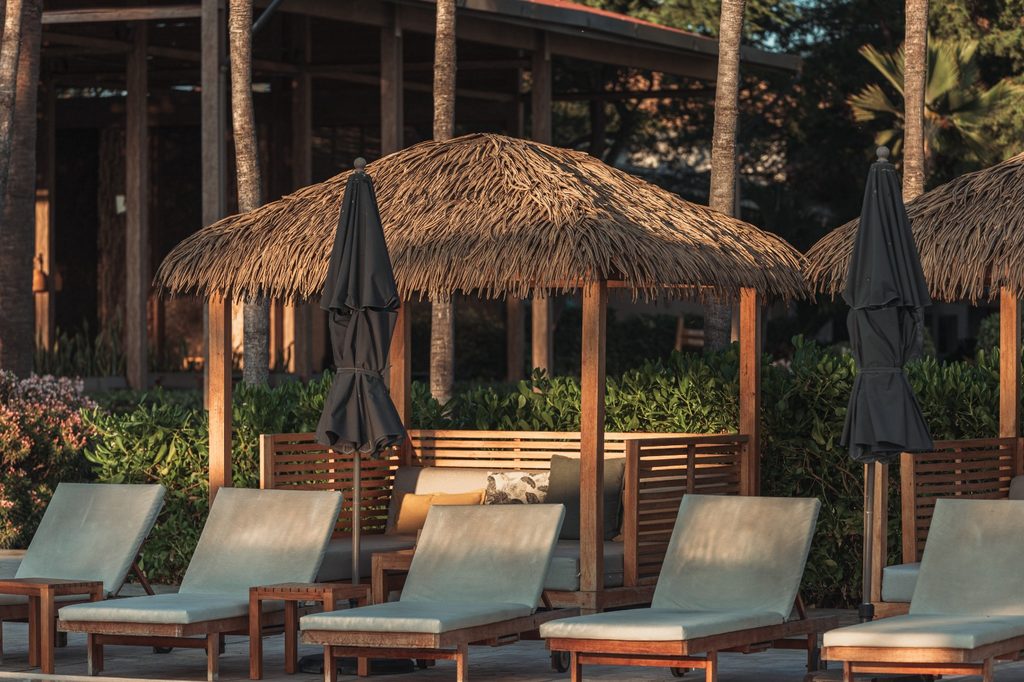
The IUCN now lists the eco-friendly Soga Palm as endangered.
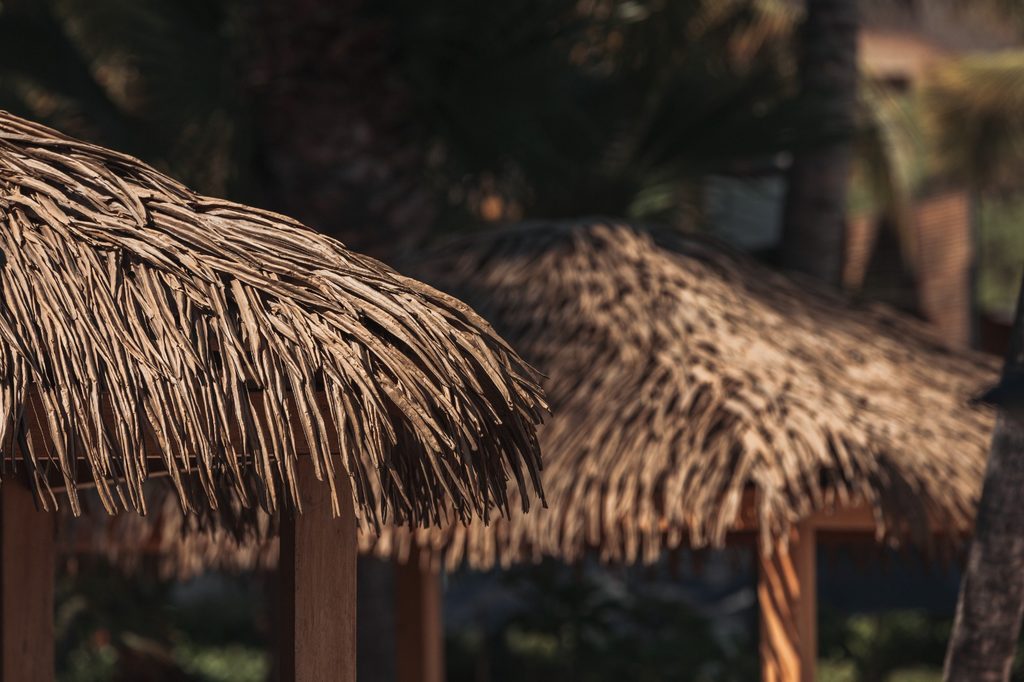
Thatched roofs are part of the picture visitors carry home from Fiji’s resorts.
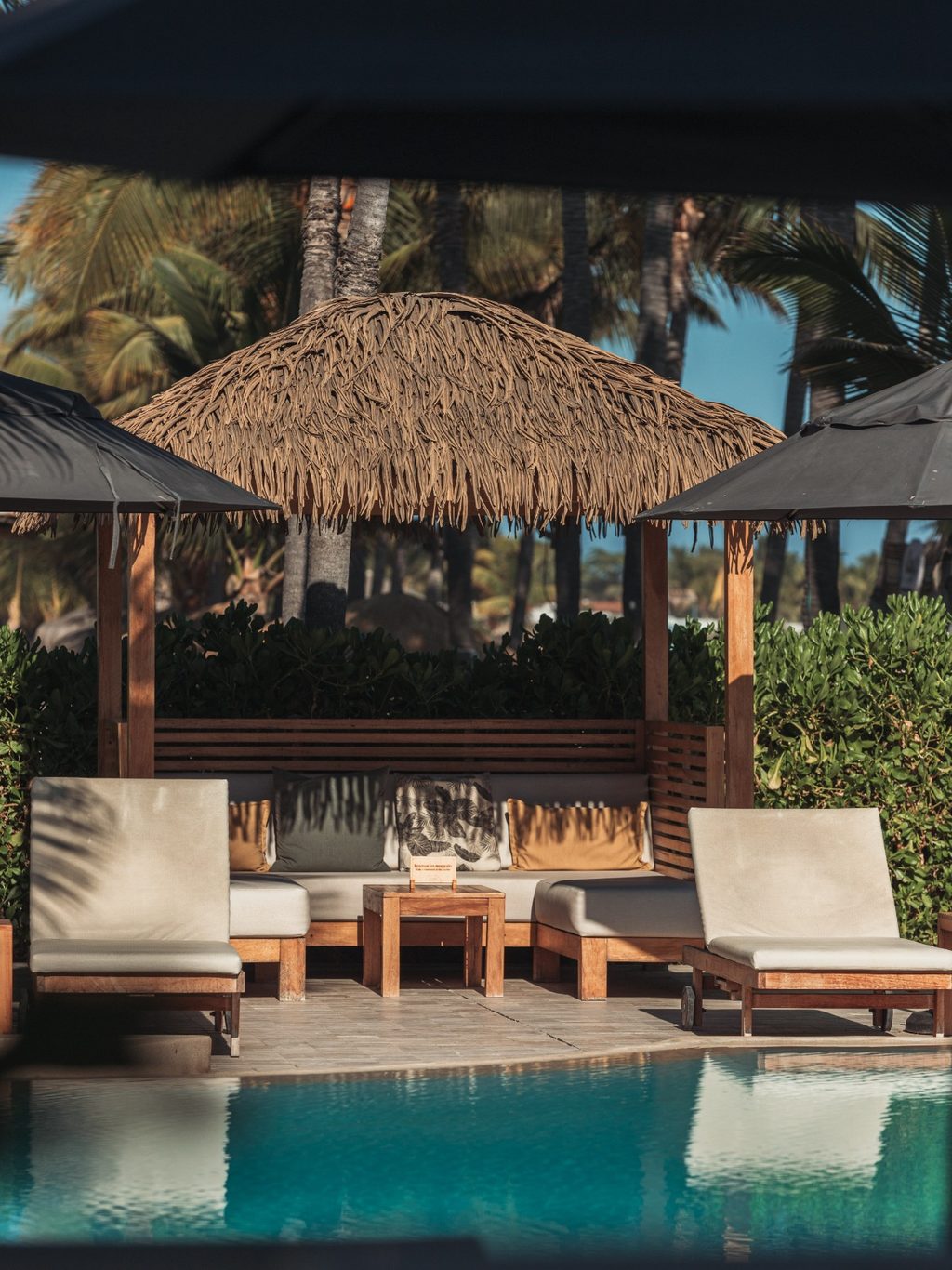
A soga-thatched roof lasts roughly for 10 years in Fiji’s climate.
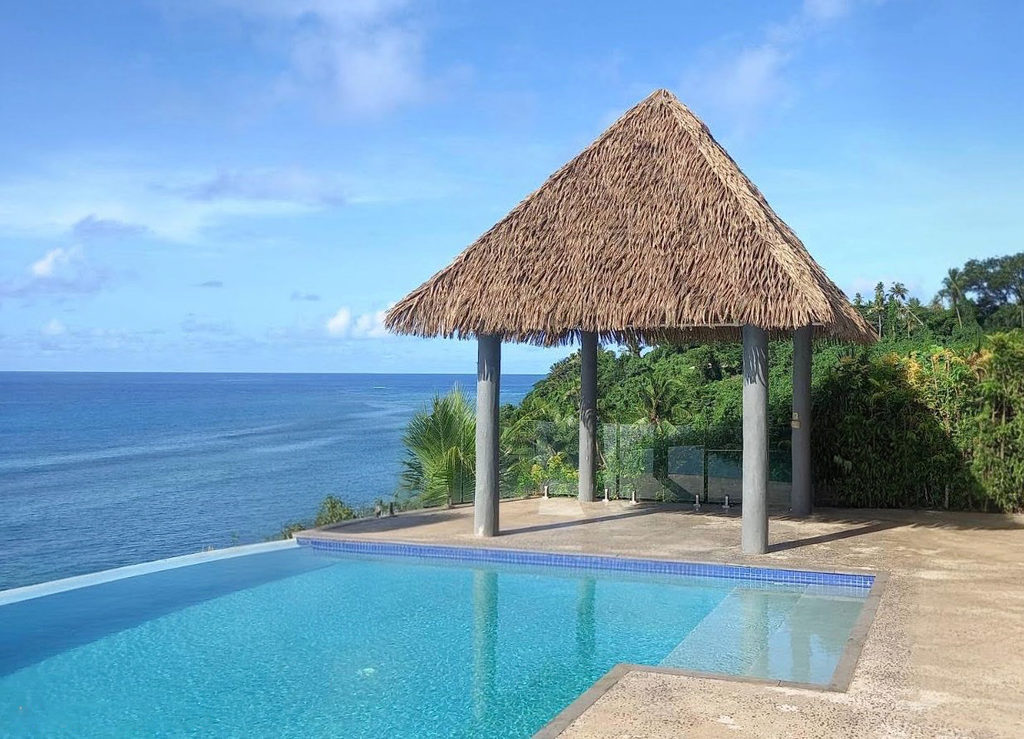
Example of a Palmex installation TTO did in Taveuni.