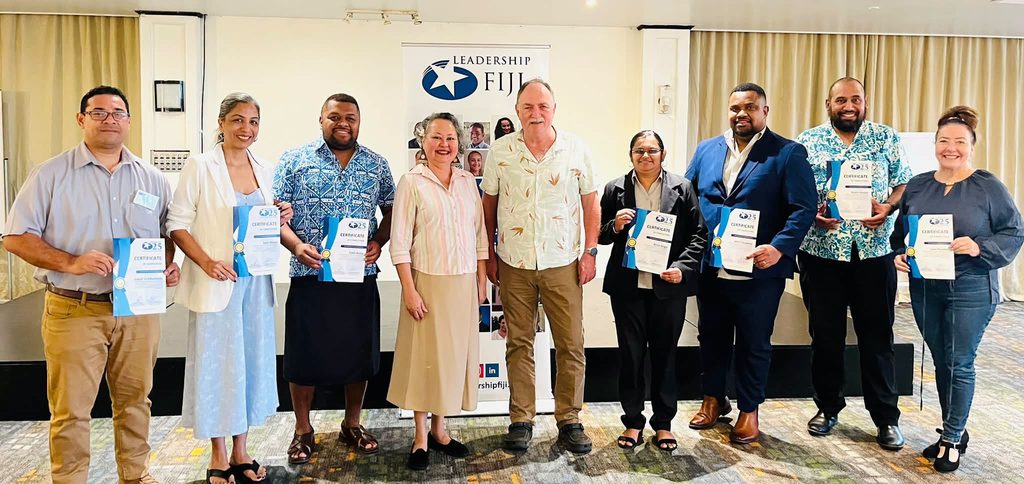
After eight years at the helm of Leadership Fiji, Chief Executive Officer Sharyne Fong is preparing to step down in March 2027, leaving behind an organisation she says is well-positioned for its next phase of growth and impact.
For Fong, the journey has been more than a professional appointment. As a Leadership Fiji 2005 alumna, she returned to the organisation with a deep sense of responsibility to give back to the community and nation.
“Being an Alumni of the Leadership Fiji 2005 program and experiencing first-hand what the founders’ vision for Leadership Fiji was, something in me shifted and I felt a deep sense of giving back to our community and beloved nation since,” she said.
“I wanted to give back to an organisation that helped shape me.”She described her time leading Leadership Fiji as “one of the most meaningful and rewarding seasons” of her professional and personal life.
“It has been an absolute privilege to lead an organisation whose purpose is not simply to teach leadership, but to inspire people to understand Fiji more deeply, challenge their own perspectives and take meaningful action in their communities.”
Over the past eight years, Leadership Fiji has navigated organisational change, the COVID-19 pandemic and evolving expectations around leadership development, while strengthening its programmes, partnerships and national reach.
When Fong first took on the role, her priorities were centred on building a strong organisation, protecting the quality and integrity of its flagship program and strengthening the relationships that supported its work.
As the years progressed, those priorities evolved towards sustainable growth, strengthening governance, diversifying partnerships, widening participation and expanding Leadership Fiji’s influence beyond its annual program.
“The COVID-19 pandemic also required us to rethink how we operated and engaged with our network. It reinforced the importance of adaptability, innovation and strong relationships,” she said.
Among her most significant achievements was strengthening the organisation’s governance, systems, partnerships and programme delivery, while ensuring it remained relevant through a period of considerable change.
She also helped expand Leadership Fiji beyond its traditional flagship programme, introducing initiatives targeting different age groups and leadership levels.
These included the Kids Lead Up Program in 2020 and 2021, the Executive Leadership Program in 2024, Youth Leadership and Career Pathway Workshops this year, and the one-day public-focused Leading with Impact Workshops.
The organisation also supported corporate organisations with leadership development training and established community impact initiatives, including the Leadership Fiji Foundation.
Fong said the expansion ensured the organisation reached different levels of society while promoting its message that leadership was not about position.
“This ensured that we touched all levels of society in spreading our leadership message of values-based leadership and that leadership is action, not a position,” she said.
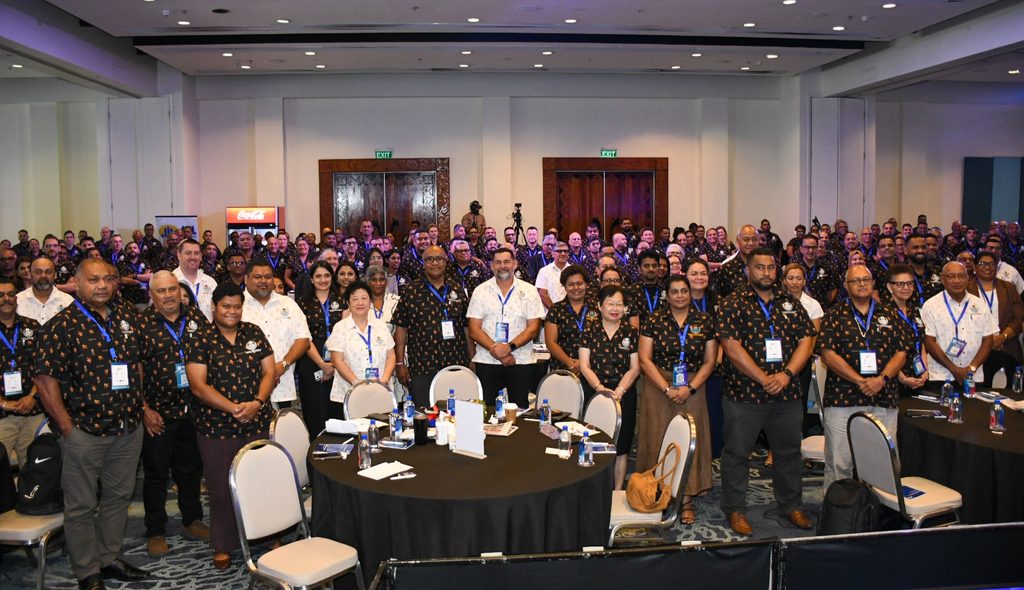
During her tenure, 230 alumni graduated from Leadership Fiji programs, while the organisation’s total alumni network reached 662 graduates from its flagship and Executive Leadership programs by November 2026.
Its strategic partnerships also increased from 19 in 2019 to 24 currently, while its team grew from one person to seven. A significant initiative was the National Dialogue on Illicit Drugs in 2019, which brought together stakeholders to discuss an issue affecting communities across Fiji.
The dialogue produced 14 outcomes documented in the Laucala Document, which was shared with Government.
However, Fong said the real measure of Leadership Fiji’s impact was what participants did after completing their programmes.”For me, the real measure of our impact is what happens after participants leave the program,” she said.
“We see it in how our alumni apply what they have learned within their workplaces, professions and communities, and in the different ways they choose to contribute and lead.”
Alumni have gone on to lead organisations, contribute to public policy, mentor emerging leaders and support community initiatives, while the programme has also created opportunities for collaboration across different sectors.
She said the impact was also intergenerational, with children of alumni becoming participants and graduates themselves.
One of the greatest challenges during her tenure was the COVID-19 pandemic, which disrupted Leadership Fiji’s model of personal interaction, experiential learning, site visits and engagement with different communities.
“We responded by remaining flexible, protecting relationships and finding alternative ways to keep participants, alumni and partners connected,” she said.
“The experience taught us that organisational resilience depends not only on systems and finances, but also on trust, shared purpose and the willingness of people to adapt.”
Looking ahead, Fong believes Leadership Fiji has an important role in preparing leaders to address challenges such as social cohesion, climate change, inequality, technological disruption, economic resilience and the changing expectations of younger citizens.
She hopes the organisation will continue investing in emerging leaders, strengthen alumni engagement and work towards establishing a permanent Leadership Centre for Fiji and the Pacific.
Reflecting on her legacy, Fong said her responsibility was never to make the organisation about herself, but to strengthen what others had built and prepare it for the next leader.
“Leadership is ultimately about service. My responsibility was not to make the organisation about me, but to care for what others had built, strengthen it and prepare it for the next leader who will lead it into its next phase of growth and impact.”
After March 2027, she intends to take time to reflect and consider where her experience can make the most meaningful contribution.
She will focus on growing her business, Insight Business Advisory, while continuing to pursue her interests in leadership, governance, organisational development, mentoring and helping organisations turn strategy into practical capability.
As she prepares to leave, her message to the Leadership Fiji community is one of gratitude.
“I would simply say, my sincere thank you!”
Although she will be stepping down as chief executive, Fong said she would always remain part of the Leadership Fiji family as a proud Leadership Fiji 2005 alumna.
“Sometimes leadership is stepping forward. Sometimes it’s knowing when to step back. One of my biggest lessons has been that leadership is about serving and building something that can continue after you.”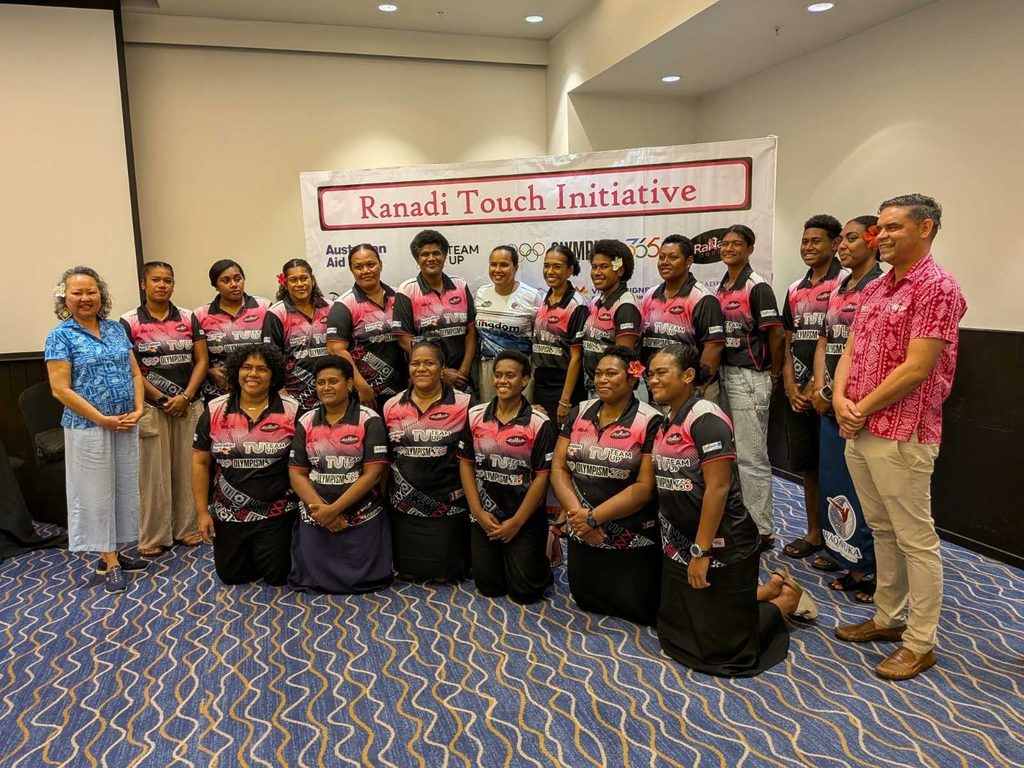
Sharyne – with Ranadi Touch Rugbys Leading Through Sports and Strengthening Community participants. Picture: SUPPLIED