
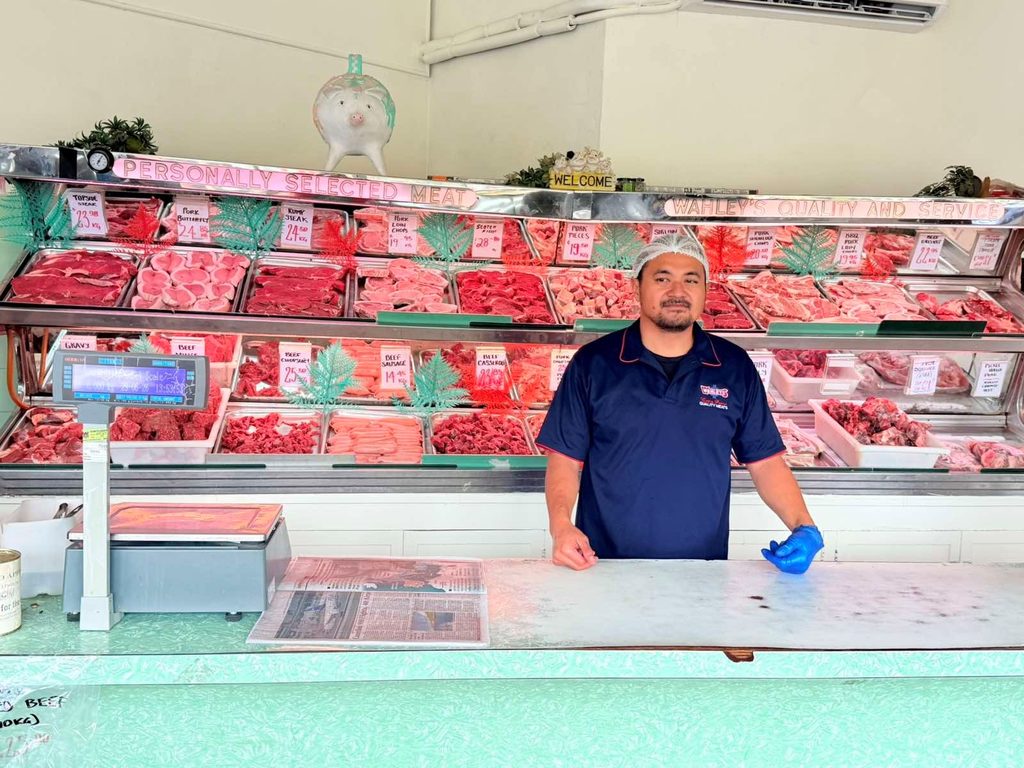
Local butchers Wahleys Butchery and Leylands Pte Ltd have been forced to increase their meat prices due to high fuel and international freight costs, which have been heavily impacted by geopolitical tensions in the Middle East.
Wahleys Butchery director Gregory Harm Nam said there is a shortage of beef in Fiji right now because there are not enough farmers.
He said the Ministry of Agriculture has stopped the slaughter of cows to increase production.
Because of this, he said their middlemen travel to the interiors of Vanua Levu and around Viti Levu to look for cattle, which has doubled their travel and transport costs.
“They use the big trucks. They drive around and the fuel has almost doubled depending on the location and the cattle price,” he said.
Mr Harm Nam added that Wahleys Butcher imports lamb from New Zealand and Australia, for which they pay extra freight cost compared to before the war.
He said due to these higher costs, his business has seen a slight decline because people are budgeting and most don’t buy extra meat as before.
To cope with these challenges, he said they have had to control their deliveries.
“We just make sure that all the orders are delivered in the morning. In the afternoon, we try not to do deliveries, so if an order comes in the afternoon, it gets delivered the next morning.”
Similarly, Leylands Pte Ltd’s operations manager, Sisilia Taruga said they were now paying more to their suppliers compared to pre-war days, depending on cattle size and its price.
“We get our meat supplied every week especially beef, which we buy from local farmers in Labasa and Savusavu and because of the high fuel prices, our costs have increased as well,” Ms Taruga said.
However, despite these challenges, she said their butcher has shown remarkable resilience, with strong customer demand.

