
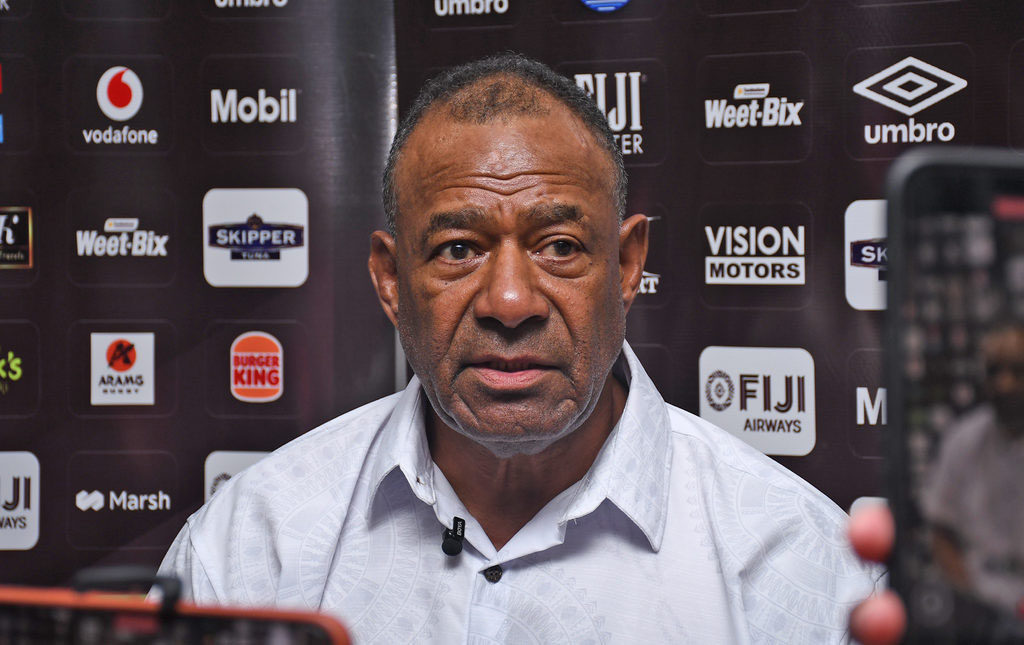
A STRONG call for an external and independent review into the his injury and subsequent death of former Fiji U20 and Naitasiri rugby player Kaminieli Talanacolo has emerged as the central demand from Fiji Rugby Players Association president Ilivasi Tabua.
He insists the integrity of Fiji rugby’s player welfare systems must now undergo close and transparent scrutiny.
Tabua emphasized that an internal review alone would be insufficient to restore public confidence following the tragedy, which occurred during a sanctioned club match under the Naitasiri Rugby Union’s jurisdiction.
He stressed that only a fully independent process, free from potential conflicts of interest, could properly establish what happened and whether safety protocols were followed.
“It is extremely important that any review is transparent, independent and guided by facts,” Tabua said.
“The purpose should not be to rush toward blame, but to establish lessons, identify gaps and strengthen safeguards.”
His comments have intensified pressure on the Fiji Rugby Union, raising questions about whether existing governance structures are adequate to investigate serious welfare incidents within their system.
Central to these concerns is whether emergency response protocols, medical coverage, and match-day safety standards were fully met during the match in which Talanacolo sustained his injury.
Tabua stressed the need for a factual, transparent reconstruction of the events leading to the tragedy.
“We need to understand what happened on the field, whether the injury signs were recognised immediately, what medical response was available, how quickly treatment was provided, and whether all welfare requirements were in place,” he said.
Beyond the call for an external review, Tabua highlighted broader concerns about consistency in player welfare standards across Fiji’s domestic rugby competitions, particularly at club and provincial levels.
“Player safety should not depend on geography or resources available on a particular day,” he warned.
The tragedy has also reignited scrutiny over whether match officials and on-ground decision-making are robust enough when serious injuries occur, with calls for clarity on how quickly play was stopped and medical protocols activated.
However, Tabua maintained accountability must be based on evidence and proper process rather than speculation.
“Accountability should always follow evidence and established processes,” he said.
He also pointed to systemic issues including concussion management, injury reporting, and compliance enforcement across grassroots rugby.
He called for stronger mandatory match-day medical requirements, clearer emergency protocols, improved education, and regular compliance audits in all sanctioned competitions.
“This is not a moment for defensiveness; it is a moment for reflection and action.
“If there are gaps in the system, we must have the courage to acknowledge them and fix them.”
As Fiji rugby mourns Talanacolo’s death, the focus now is whether this tragedy will spark meaningful reform or if long-standing player welfare concerns will remain unaddressed.
For Tabua, the answer starts with one clear step: An independent external review to examine the system’s response and whether it failed the player it was meant to protect.

