FOR the villagers of Naroro, the road is more than a route through the interior of Nadroga.
It is a lifeline – connecting families to markets, schools, essential services and the livelihoods that sustain them.
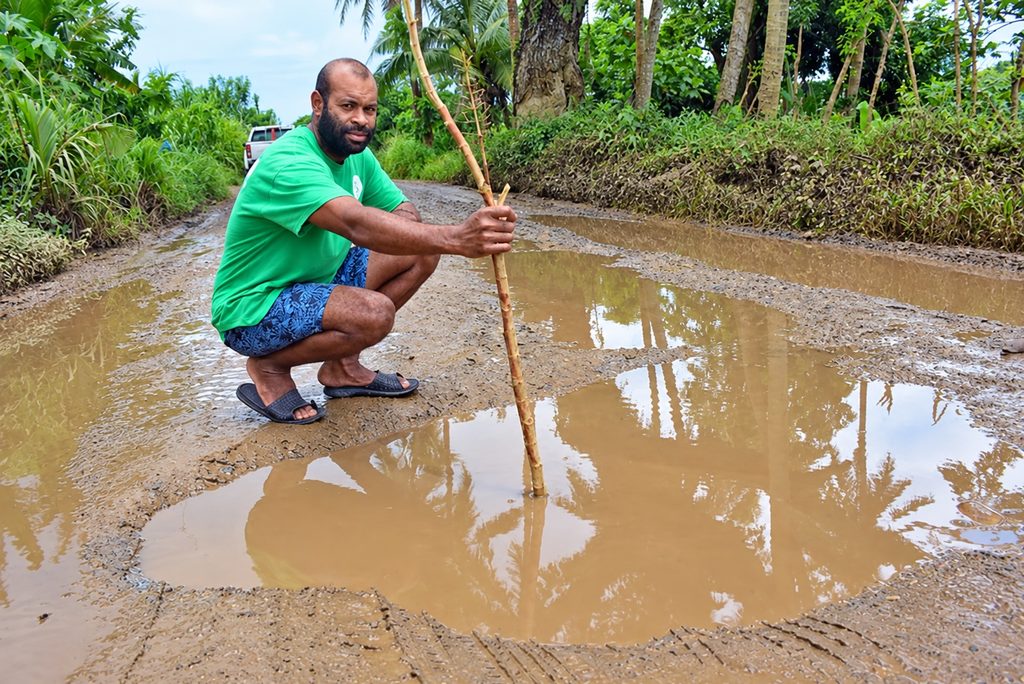
For the past 10 years, village headman Kalivati Nadaro has heard the same concern raised repeatedly by villagers: the condition of Kavanagasau Rd and the need for it to be tar-sealed.
As the village grows and more farmers depend on reliable access to markets, the road remains one of the major development priorities for the community.
“Almost every tikina (district) meeting, we continue to highlight the need for the road to be tar-sealed because it links us to town,” Mr Nadaro said.
He said the issue had been raised repeatedly over the years, with villagers continuing to wait for improvements.
A road that connects communities
Mr Nadaro said an allocation had, to his understanding been made for Kavanagasau Rd under the previous government, but the work did not eventuate.
Last year, villagers were told that the first phase of tar-sealing would be carried out. So far Mr Nadaro said they had yet to see work begin.
For a community where farming is a major source of livelihood, the road is not simply about having a smoother journey.
It is an important link between the village and the wider community.
For families living alongside the unsealed section of Kavanagasau Rd, the concerns go beyond inconvenience.
Passing vehicles can create thick clouds of dust that drift into nearby homes and settle on food and household surfaces.
Constant exposure to road dust can affect air quality.
Loose gravel can also create safety risks. Stones thrown up by passing vehicles can damage vehicles and nearby property, while also posing a danger to people walking along the roadside.
Weather can make the situation even more difficult.
Heavy rain can turn gravel roads into muddy and slippery tracks, while runoff can wash away sections of the road surface.
Such conditions can make travel challenging for school children and buses.
For villagers, a properly tar-sealed road is therefore more than an infrastructure upgrade.
It would mean safer and more reliable travel, less dust around homes and a stronger connection between Naroro, the markets and essential services.
Building a village hall
While the road remains a long-standing concern, Naroro villagers are also looking inward, focusing on projects that can strengthen the community itself.
One of their priorities is the construction of a new village hall.
The idea has been discussed within the village, with the women playing an active role in helping make the project possible.
For the third consecutive year, the women of Naroro have been raising funds towards the construction of the community hall.
Mr Nadaro said the community was grateful for their continued efforts.
The fundraising reflects the villagers’ desire for a facility that can serve the whole community, while also demonstrating their willingness to contribute towards their own development.
A new hall would provide a dedicated space for village meetings, community activities and other gatherings – a place that could bring residents together and support village life for years to come.
Flooding threatens farm produce
Another pressing concern is poor drainage around the village boundaries and farming areas.
During periods of heavy rain, some farms are badly flooded, affecting crops that are ready to be harvested and taken to market.
Mr Nadaro said clearing and improving the drains would help farmers protect their produce and maintain a reliable supply to markets.
Good drainage is particularly important for farmers because it allows excess water to move away from fields rather than pooling around crops and their roots.
Waterlogged soil can damage roots, encourage disease and delay planting and harvesting.
With proper drainage, fields can dry out more quickly after heavy rain, allowing farmers to return to their work sooner and reducing the risk of crop losses.
For Naroro farmers, the drainage problem is therefore closely tied to the wider concerns of access and livelihoods.
A road may connect farmers to the market, but the produce must first survive the weather and make it out of the field.
A village of about 200 people
Naroro has about 38 homes, with another five homes in settlements close to the village.
Mr Nadaro said about 200 people live in the village, although the population fluctuates as residents move between the village and other areas.
The community has about 30 students, ranging from kindergarten to secondary school, as well as about 10 elderly residents, mainly women 60 years of age.
The figures reflect a community made up of different generations – children beginning their education, working families supporting their households and older residents who remain an important part of village life.
For all of them, the development needs are closely connected to their everyday experiences.
A better road would improve the connection between farmers, families, schools, markets and town.
Better drainage would help protect farms and the produce that provides an important source of income.
And a new village hall would give the community a much-needed space to meet, organise activities and strengthen social ties.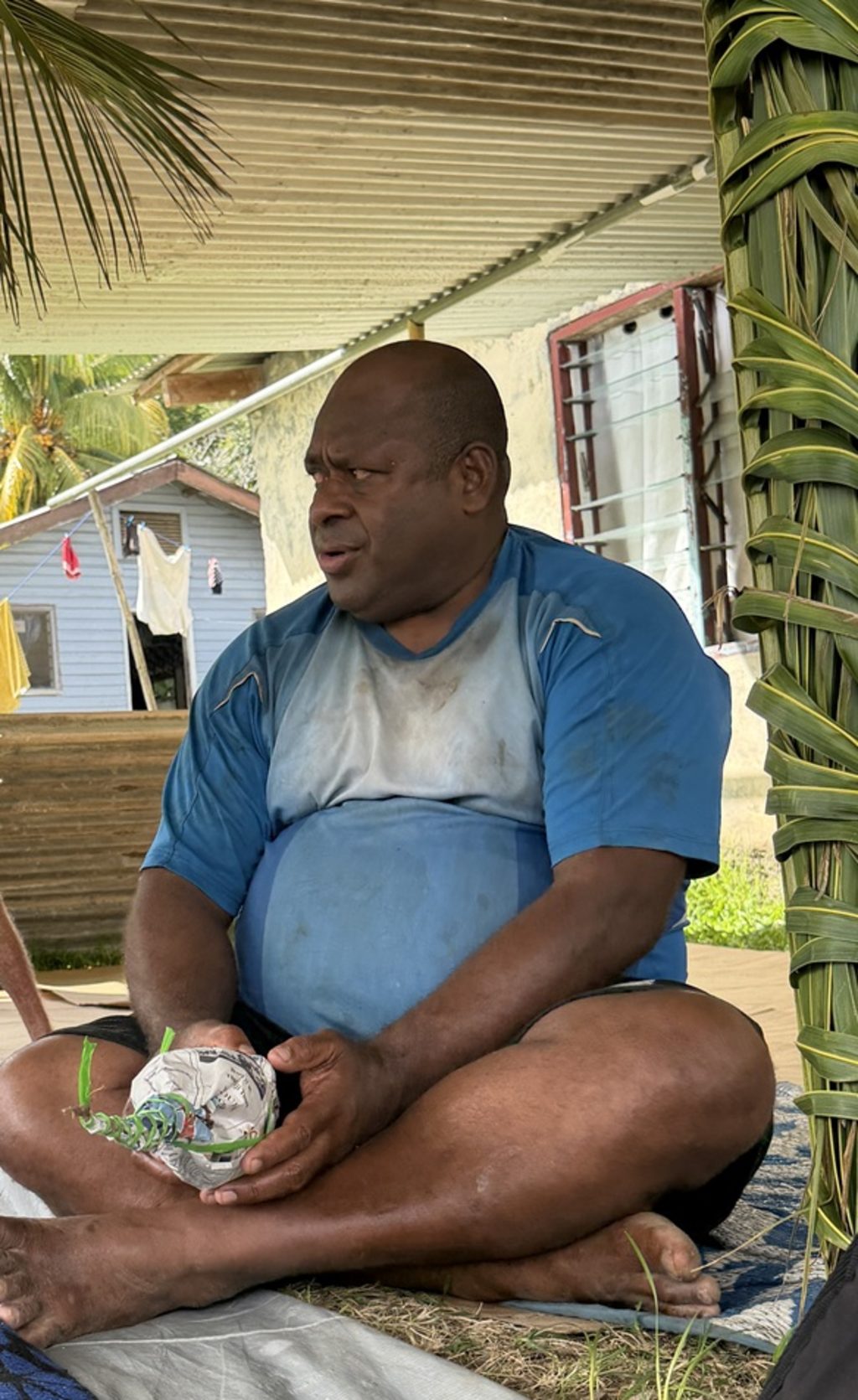
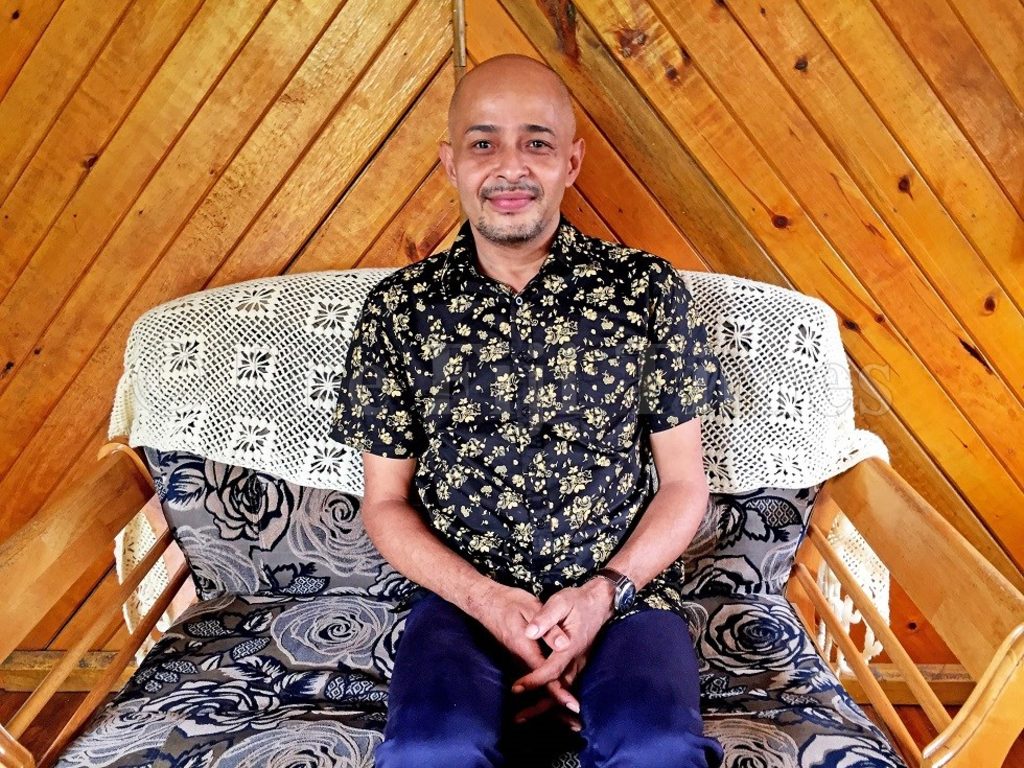
Naroro Village headman, Kalivati Nadaro at Naroro Village. Picture: ANA MADIGIBULI
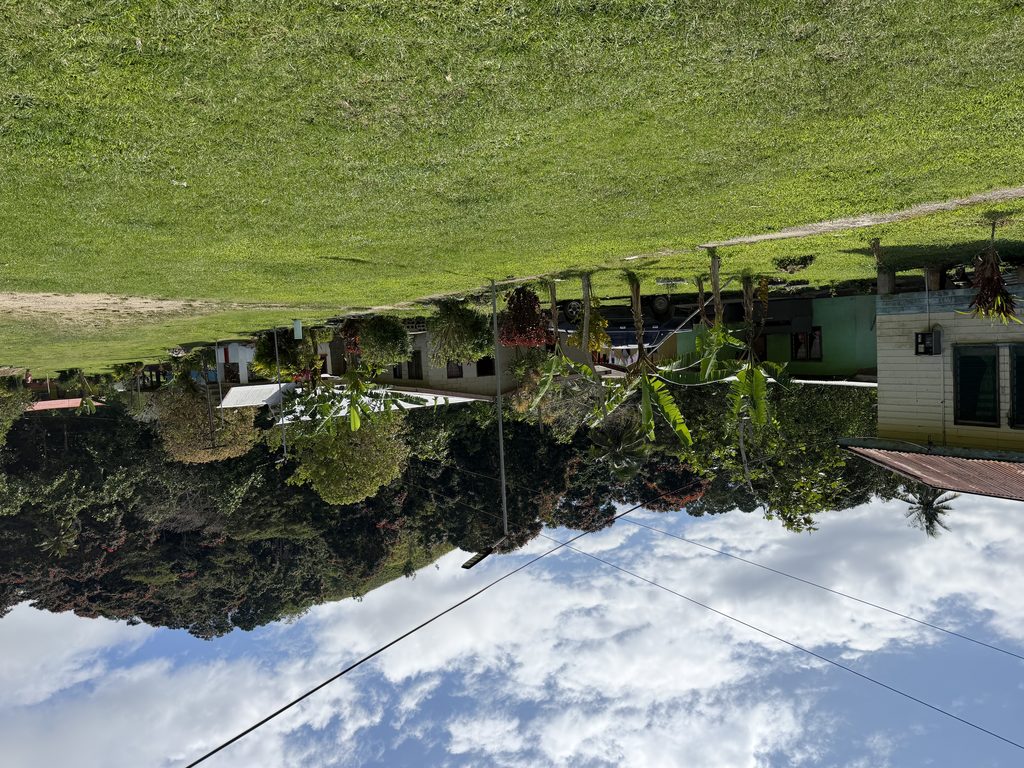
Naroro Village has a total of 38 homes with about 200 villagers. Picture: ANA MADIGIBULI
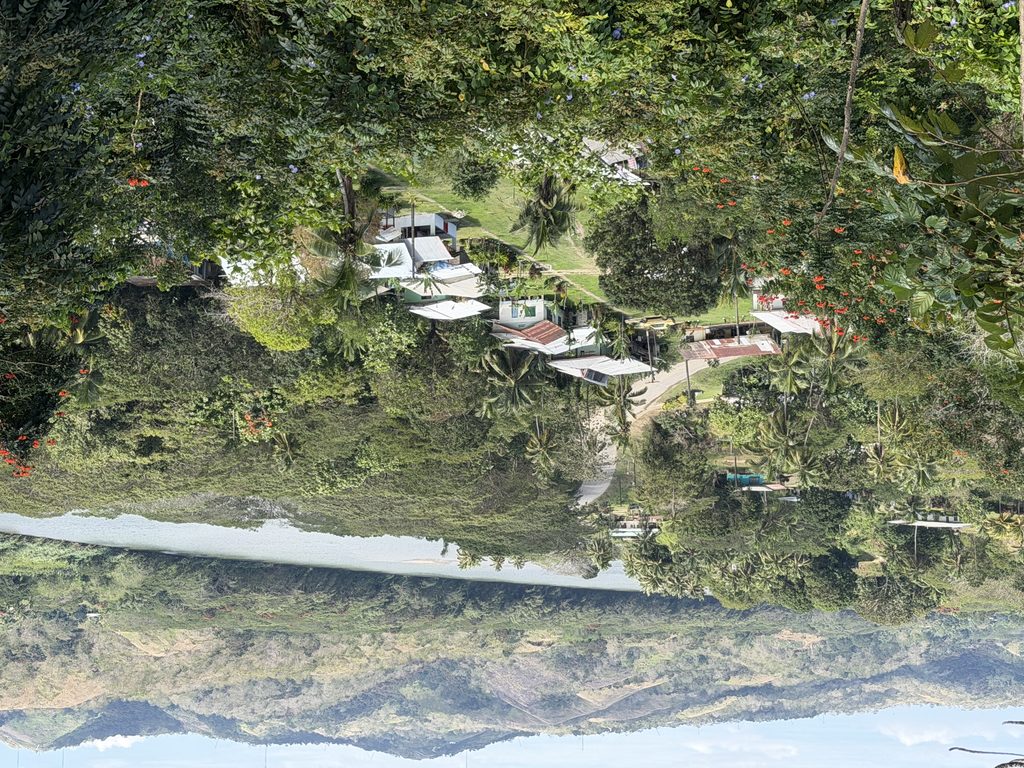
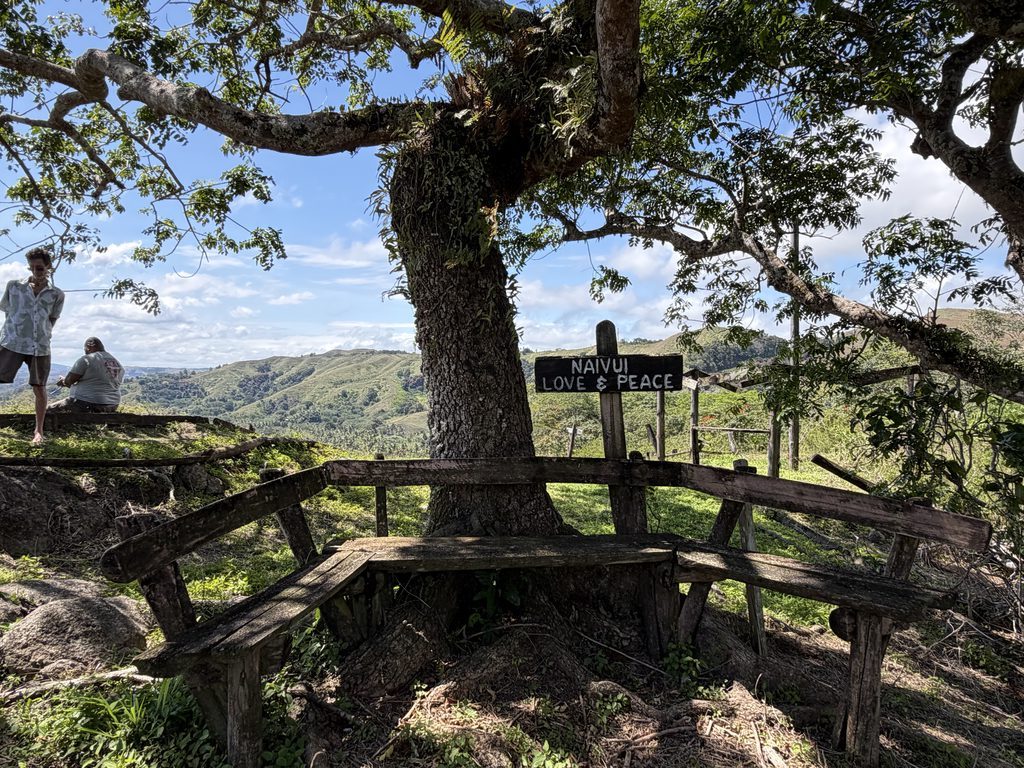
The view of the Kavanagasau Rd and Naroro Village from Tavuni Hill Fort. Picture: ANA MADIGIBULI
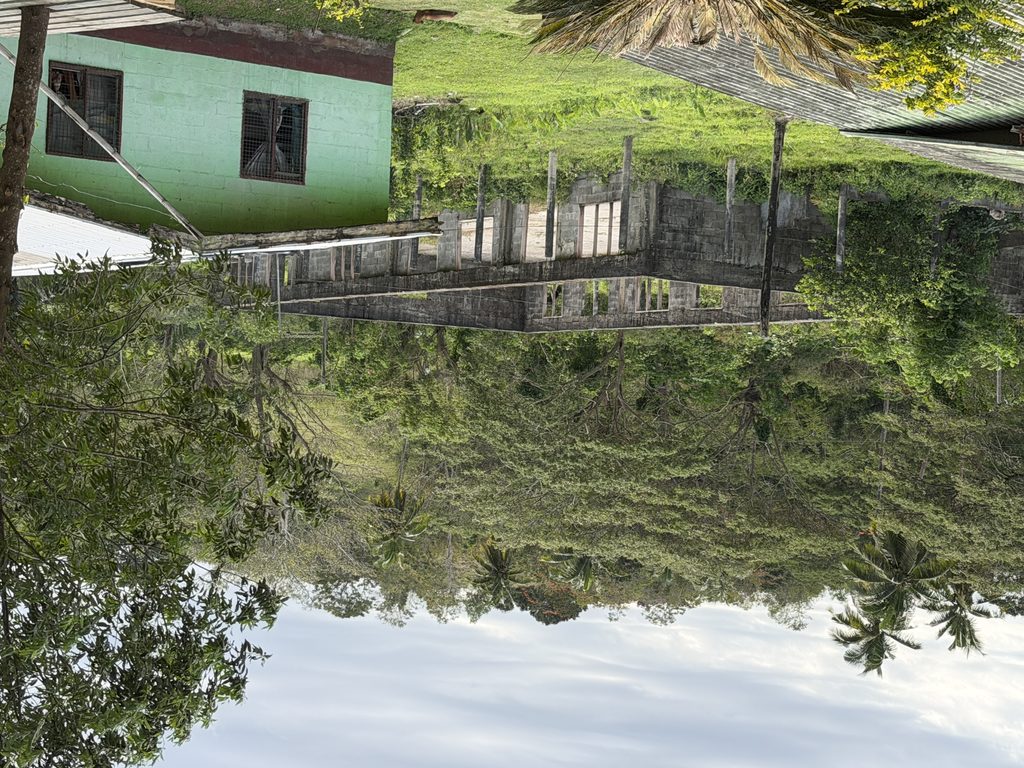
The incomplete community hall that the women of Naroro are working hard to raise funds for. Picture: ANA MADIBULI