High above the Sigatoka Valley, where the Sigatoka River winds through the landscape below, a vision is taking shape to transform Tavuni Hill Fort from a place tourists visit and leave into a living cultural and tourism experience.
For the people of Naroro Village and the wider district of Conua, the project is about more than restoring an historic site.
It is about creating jobs, generating income from their land, preserving traditional knowledge and building something future generations can depend on.
At the centre of the development is Senibua Pte Limited, a company established by the mataqali to look at the development of its idle land and the Tavuni Hill Fort project.
Lanieta Qeretabua, a member of the board of trustees for the mataqali and a board director of Senibua Pte Limited, said the company was created with the long-term development of the mataqali’s resources in mind.
The trust’s major development is a 479-hectare site at Malevu uphill, but Tavuni Hill Fort has now become the company’s immediate focus.
“We started looking for funding for Tavuni, and we saw that it can be a project that can generate millions if done properly,” Qeretabua said.
The challenge, she said has been finding the funding required to upgrade and further develop the site.
The company struggled to get its plans moving because it had no initial source of funds.
That led to the decision to make Tavuni the first major project and centre the company’s efforts on getting it off the ground.
From a visit to an experience
Today, visitors to Tavuni Hill Fort can explore the historic site, but there is little reason for them to remain after their visit.
The development plan aims to change that.
The vision includes a small number of bures, decks and lookout points, as well as a restaurant or cafe where visitors can sit, eat and enjoy the view.
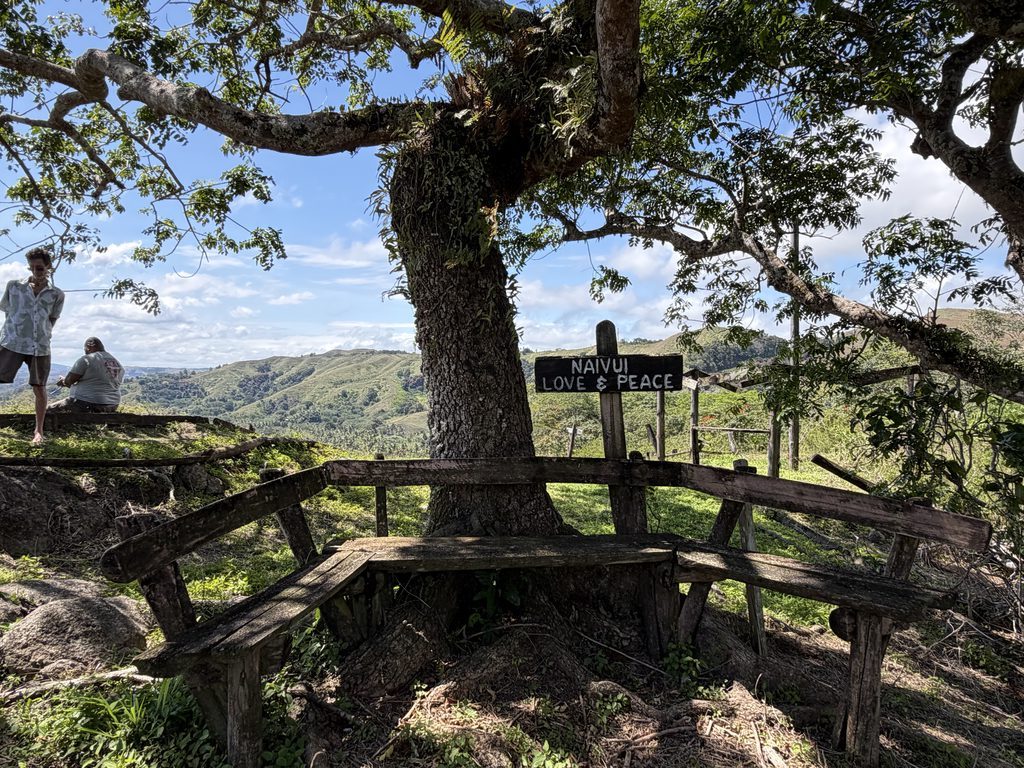
Qeretabua describes the outlook from the hill fort as a “million-dollar view”, with views across the Sigatoka Valley and towards the Sigatoka River.
The proposed accommodation would also give visitors an opportunity to stay longer, with backpacker-style bures or homestay options linked to the village.
“We can link it with the village where they can experience village life as well,” Qeretabua said.
The intention is to create an experience that combines tourism with culture and community.
A bure would provide a space for mataqali women to display and sell their crafts.
Many currently travel to a resort to showcase their work, but Qeretabua said having a place at Tavuni would bring the opportunity closer to home, particularly for older women who find travelling difficult.
Another proposed bure would tell the story of the Tongan connection to the hill fort.
The development would also include a bure kalou, or traditional worship temple, where cultural performances could be held for larger tour groups.
Weavers, pottery makers and masi makers could demonstrate traditional skills, allowing visitors to see how crafts were made rather than simply viewing finished products.
Bringing the past to life
The project’s ambition is not simply to build accommodation and commercial facilities.
It is to recreate the atmosphere of a traditional village.
The proposed setting would showcase how Fijians lived in the past, including the use of natural materials, traditional cooking, carving and other cultural practices.
Project manager Peter Rae sees the development as a working village where people can experience history rather than simply read about it.
“I see the project as a working village where children can come on holiday or the weekend and sleep and eat at the bure,” Rae said.
“We hope to get them to hear the stories and learn a bit of history during their stay.”
Rae said the proposed bures would be built close to where the original bures stood, using original bush materials.
The mataqali has already contributed its natural resources. What is needed now is additional funding and skilled builders to help turn the vision into reality.
There are also plans to rebuild sections of the original stone fortifications around the outside of the hill fort.
The aim is to build upon what remains and create the feeling of entering a stone fortress when visitors arrive.
A story that began with Maile
The history of Tavuni Hill Fort is central to the proposed experience.
Oral accounts tell of Tongan chief Maile, who arrived in Fiji in the early 1800s with followers and warriors after being banished from Tonga following a misdeed involving a high-ranking woman.
According to Qeretabua, Maile had been overlooked for a chiefly title so he eventually left Tonga for Fiji, travelling through Kadavu and Serua.
At a time of tribal conflict, Maile and his followers established a strong fortress in the area.
“He was quite ambitious and wanted to establish himself well in Fiji. He made peace with the Conua people and found his place amongst them,” Qeretabua said.
The settlement later became a place where Tongan and local communities lived alongside one another.
Maile married two women from the district of Conua, whose tribes owned large areas of land in Sigatoka.
His first wife was from Narata. They had a daughter, Salote Tupou, before she died after childbirth.
Maile later married a woman from Nadrala, and they had a son, Orisi Moala.
Their descendants remain connected to the hill fort today.
Salote’s descendants, the Mataqali Senibua, live at the foot of Tavuni Hill Fort, while Orisi Moala’s descendants live at Nawamagi Village further up the hill.
The site also contains evidence of the communities that lived there, including round mounds associated with the Tongans and square mounts associated with the people of Conua.
Cooking ovens, mass grave, waste pits and a killing stone, or vatu ni bokola, remain part of the story of the fort.
Building for the next generation
For Senibua Pte Limited and the mataqali, tourism is being viewed as a means of creating a sustainable source of income.
The company operates under an agreement established by the mataqali, with money collected from leases used to operate the company.
Money that would normally have been distributed to mataqali members has been kept aside to help begin the Tavuni project, based on the expectation that the project can eventually generate greater revenue for the mataqali in the future.
“We want something that our future generation can fall back on,” Qeretabua said.
The broader goal is to create opportunities close to home so members of the mataqali do not have to leave for urban areas in search of work.
The company hopes to employ mataqali members through tourism and future development around the bulu area, while also providing opportunities for people from the district of Conua.
The process for development is community-based. If the mataqali wants something developed, the proposal goes to the trustees and from there to the company.
A project waiting for its next step
The European Union previously assisted with Tavuni Hill Fort, alongside the Ministry of Forestry, Fiji Museum and the Republic of the Fiji Military Forces.
Now, the community hopes to rebuild those relationships and attract new support.
The company has approached financial institutions and is looking for national and international grants to help fund the next stage.
Among the ideas being considered is a suspended cable lift from the lower area to the top of the hill, which could make the site more accessible to elderly visitors and people with disabilities.
Rae can already imagine the possibilities – visitors reaching the top, sitting near the lookout, enjoying a meal and watching the sun go down.
“I find it quite exciting being part of the project, it’s basically like one of my adventures in Fiji,” Rae said.
For Qeretabua however, the project’s significance reaches beyond tourism.
The hope is that Tavuni Hill Fort can once again become a place where history, culture and community come together while generating enough income to support development for generations to come.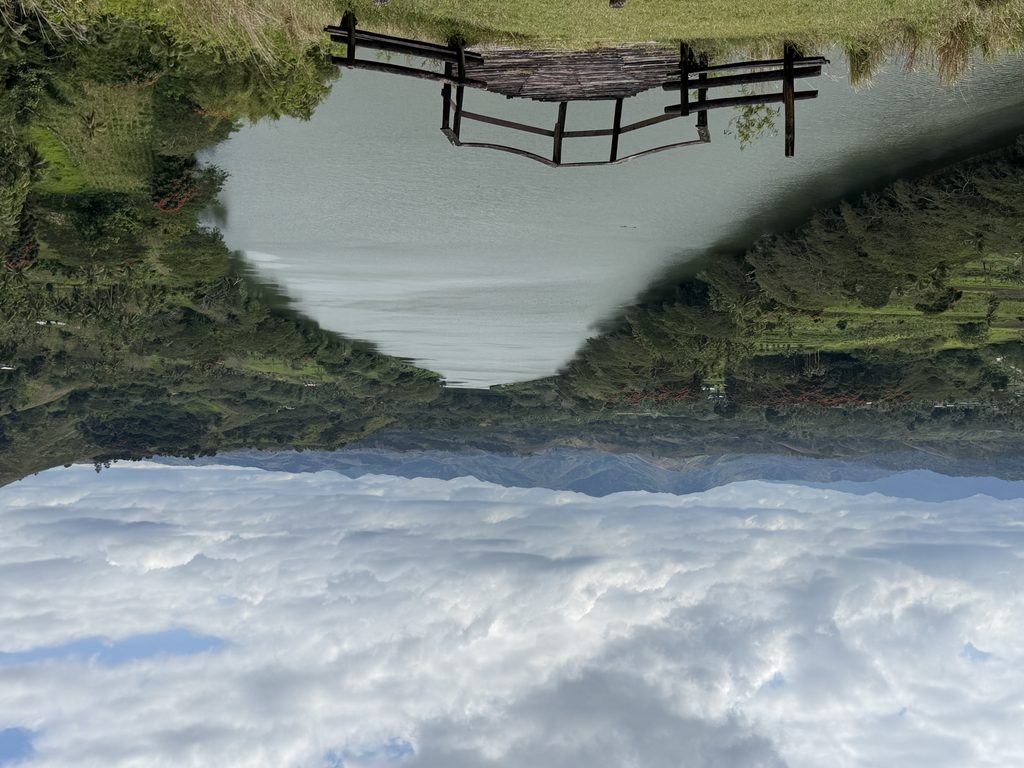
The scenic view from one of the lookout points at the hill fort. Picture: ANA MADIGIBULI
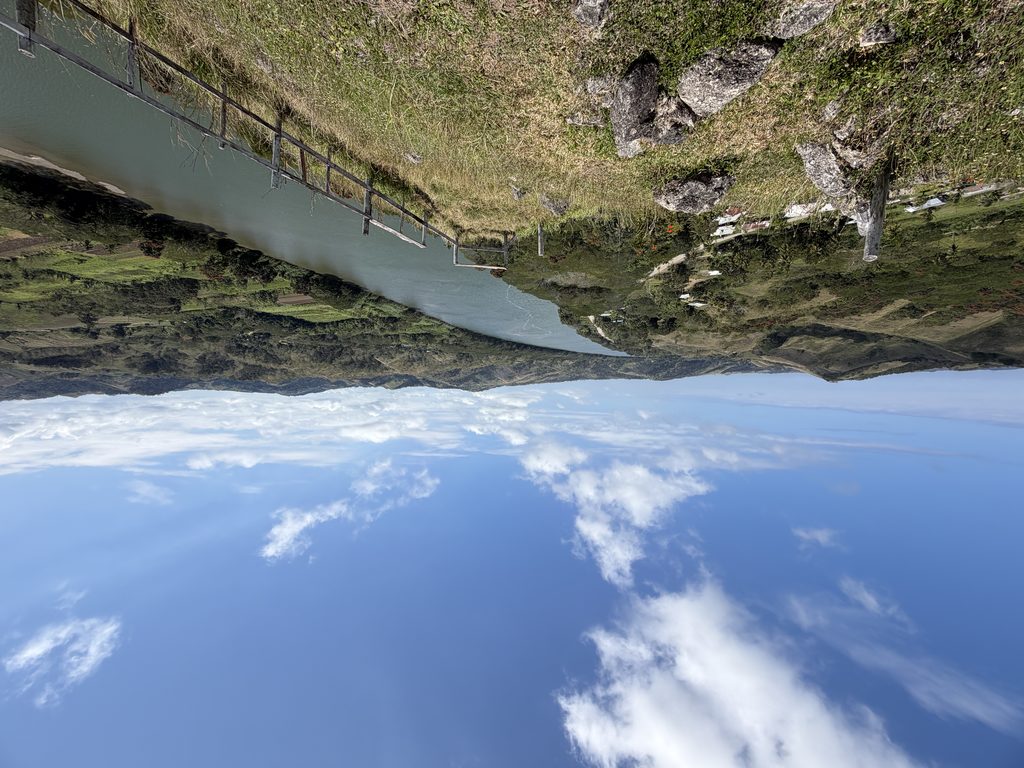
The view of Sigatoka from the mass grave. Picture: ANA MADIGIBULI
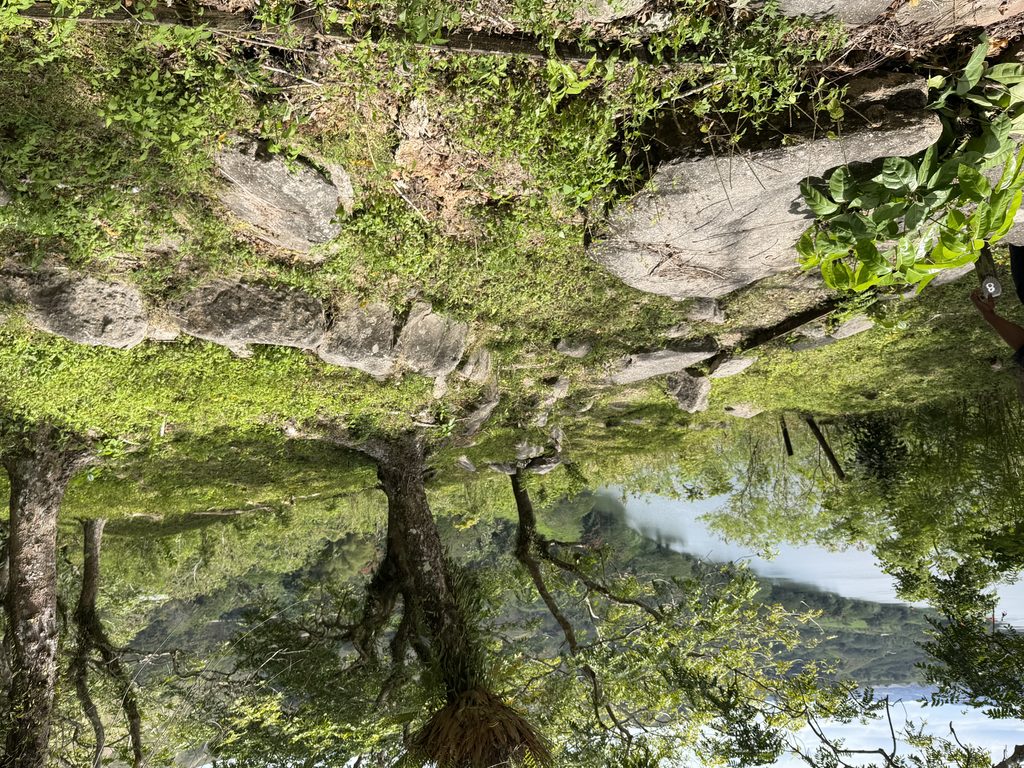
Throughout the hill fort there are mounds of old bures. Picture: ANA MADIGIBULI
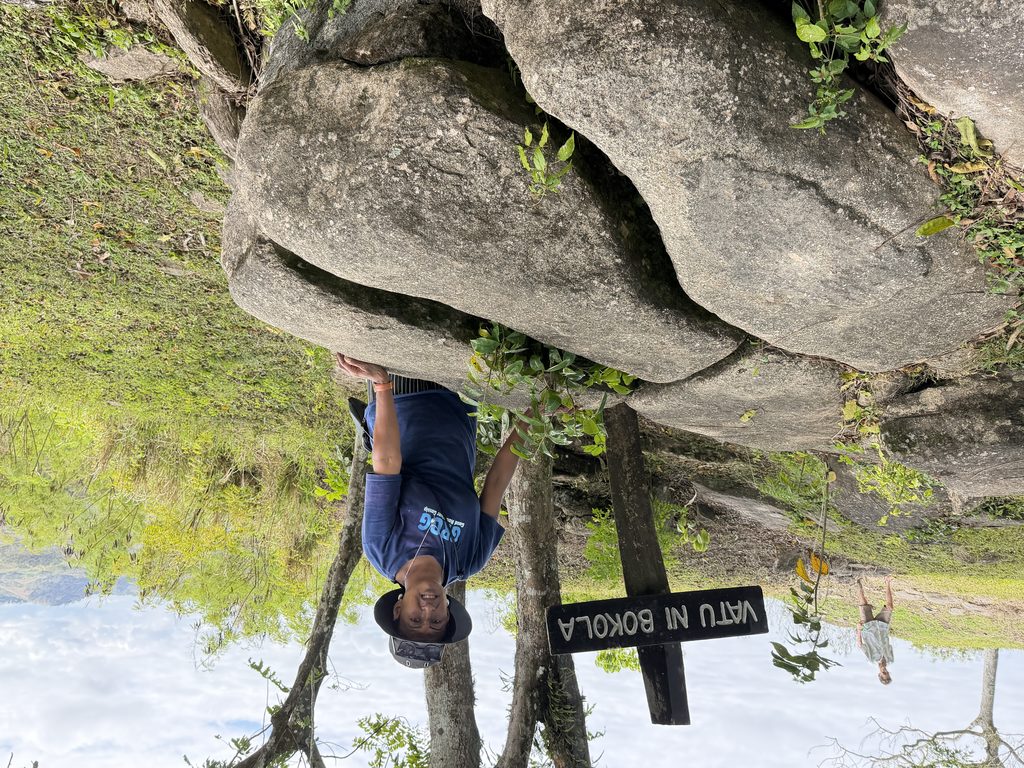
Lani shows the vatu ni bokola.
Picture: ANA MADIGIBULI
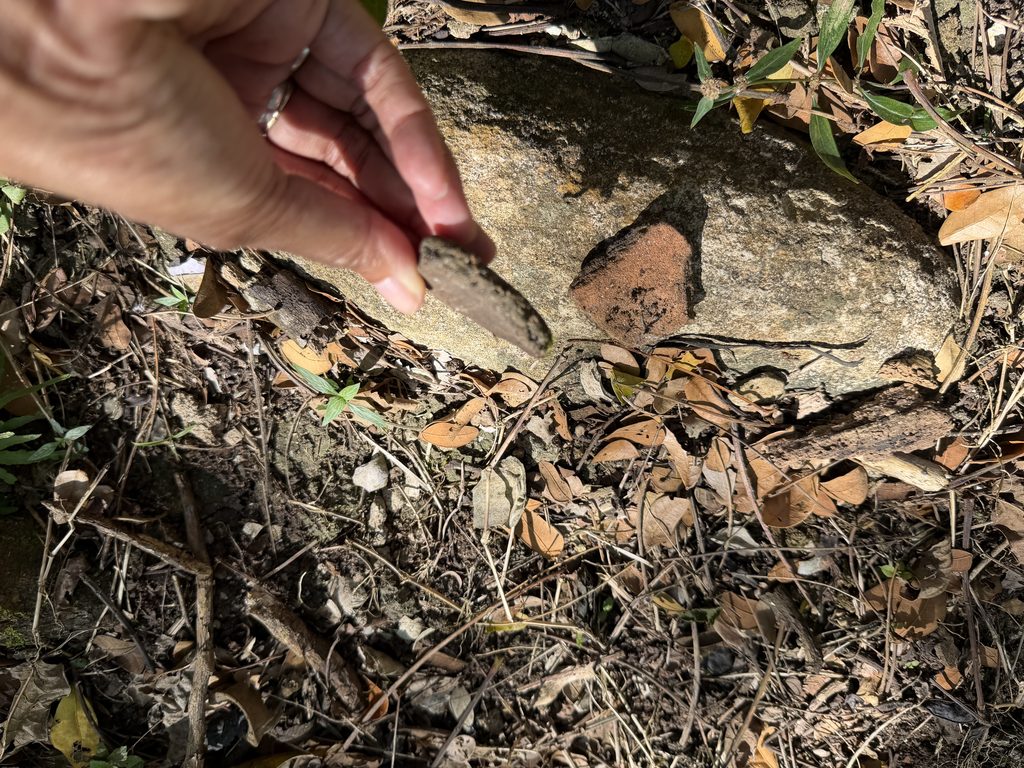
Old fragments of pottery once used at the hillfort. Picture: ANA MADIGIBULI
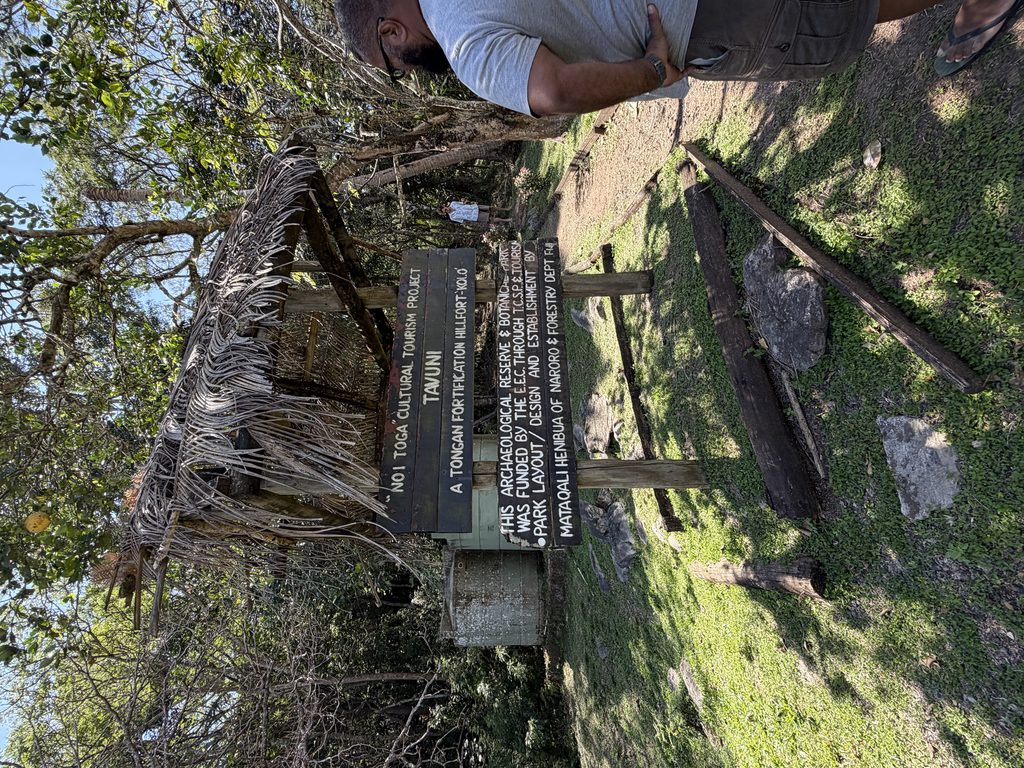
The entry to the Hillfort track. Picture: ANA MADIGIBULI
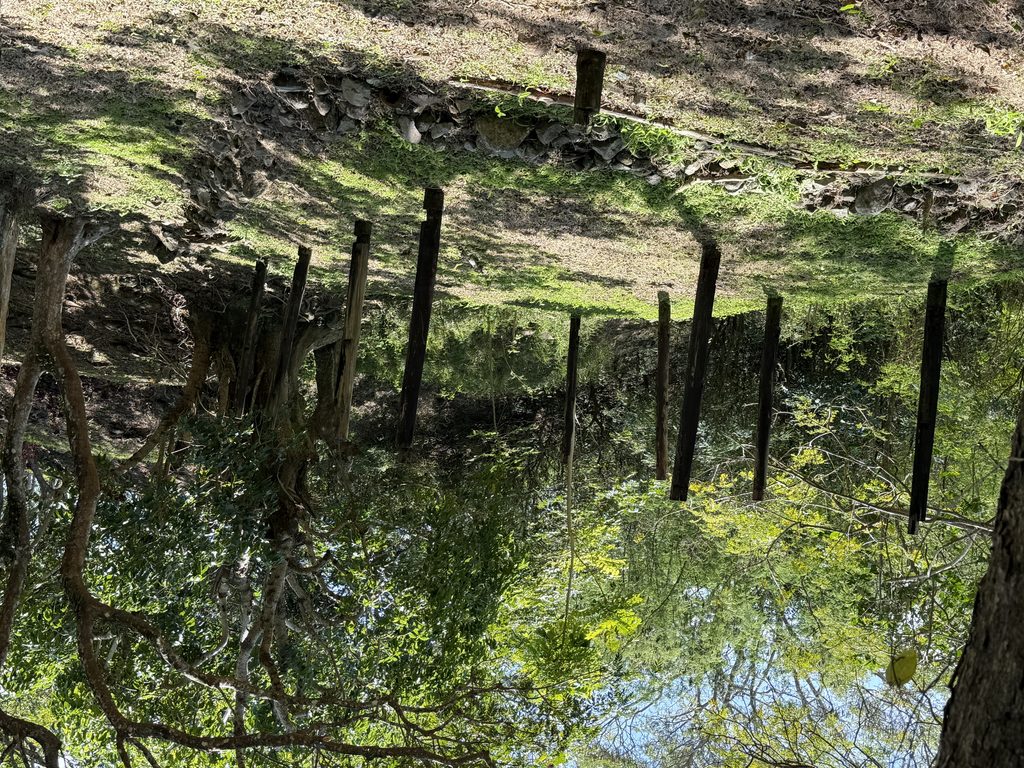
An old foundation of a traditional Fijian bure at the hill fort. Picture: ANA MADIGIBULI
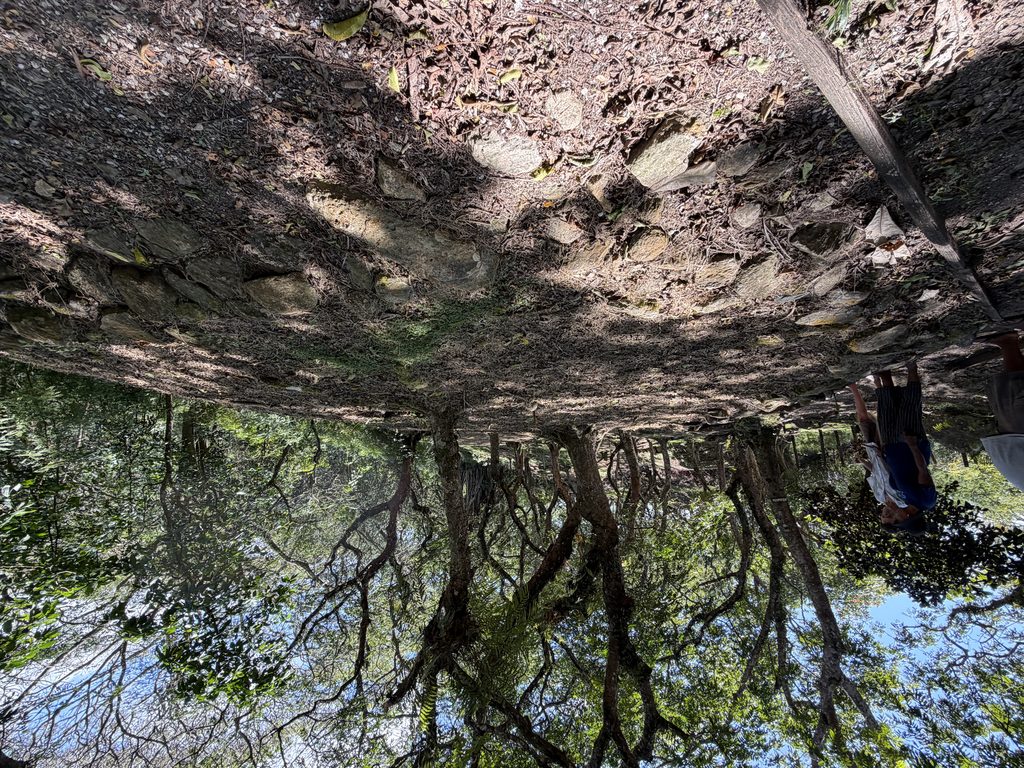
A common site at the hillfort, old bure mounds. Picture: ANA MADIGIBULI