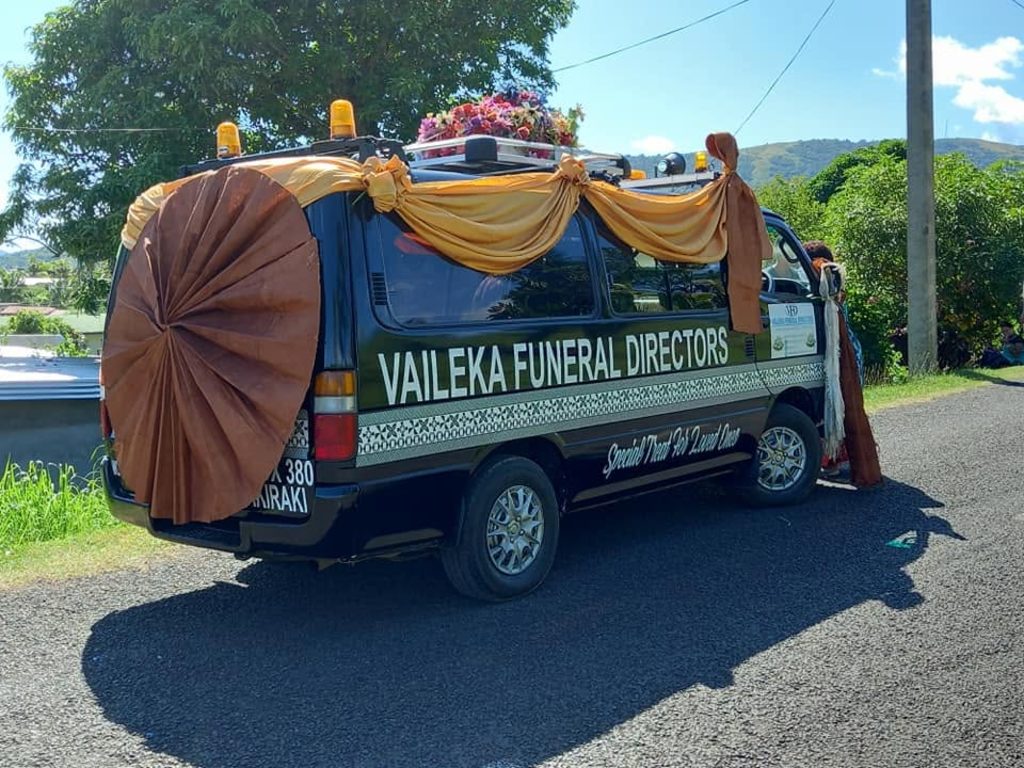
FOR almost four decades, Jagdish Chand, has helped families in Rakiraki give their loved ones a dignified farewell.
From driving a hearse along dark rural roads to making coffins by hand, his work has brought him face to face with grief, fear and the strange moments that have stayed with him long after the journeys ended.
In the darkness of a rural night, with only the headlights of his hearse cutting through the road ahead, Jagdish Chand sometimes wondered what was happening around him.
There were strange noises, lights that went on and off, and moments when an unexplained feeling sent shivers down his spine.
At the back of the vehicle lay a coffin carrying someone who had died, while he sat alone behind the steering wheel, responsible for delivering the deceased to their final destination.
For many people, such a journey would be too frightening to contemplate.
But for Chand, fondly known as Hermant, it was part of a job he had come to regard as both a responsibility and a service to his community.
“I would hear strange noises in the coffin or at the back of the hearse. They scared me, but I got used to my job and all the strange happenings,” he said.
At 69, Hermant has spent much of his working life serving the dead and the families left behind.
He became Rakiraki’s first funeral director and established what would become one of the township’s longest-running funeral businesses.
His work has taken him into villages and settlements across Ra, often at hours when most people were asleep. He has carried coffins into grieving homes, witnessed the pain of families losing loved ones and, on occasion, offered his services without expecting payment.
A need he could not ignore
Hermant grew up in Rakiraki and completed Form Four before leaving school to help support his family.
He later became a driver at Rakiraki Hospital, where he worked for 30 years before retiring in 2012.
During those years, he noticed a problem that continued to trouble him. When families came to collect deceased relatives from the hospital, there was no proper hearse to transport them home.
The bodies were often carried in dusty, run-down vans and carriers, vehicles that offered little dignity to the deceased or comfort to grieving relatives.
For Hermant, this was not simply a gap in the services available in Rakiraki. It was something that needed to change.
“When people collected their dead from the hospital to take them back to their villages, they had no proper hearse. They would use whatever vehicle was available,” he recalled.
“That did not feel right. I knew straight away that this was something I could provide. I wanted to have a hearse and make coffins.”
With assistance from the Fiji Development Bank, he established Vaileka Funeral Directors, bought a van and began offering hearse services to the people of Rakiraki.
It was a modest beginning, but it filled a genuine need in the community.
He also ventured into coffin-making. Rather than attempt the work without experience, he employed a joiner and learned the trade by watching and working alongside him until he could construct coffins himself.
What began as a practical response to a community need gradually became his life’s work.
“Looking back, I feel honoured to have served the people of Rakiraki by taking the dead on their final trip home,” he said.
“Being a hearse driver was a dignified job.”
The road after dark
Driving a hearse was unlike any other driving job Hermant had known.
The journeys could be long, particularly when families needed a deceased relative taken to a remote village or settlement in the interior of Ra. Sometimes the call came at night, leaving him to navigate unfamiliar stretches of road with a coffin behind him.
It was during these journeys that he experienced moments he still remembers.
He spoke of strange sounds, eerie feelings and the hearse’s lights switching on and off when he was travelling through rural areas.
On those occasions, fear was difficult to avoid.
“Sometimes I would be required to drive a dead body in a coffin at night and deliver it somewhere in the rural areas. Eerie things happened along the way that gave me goosebumps. I would get really scared,” he said.
The noises were particularly unsettling when he was alone.
Yet Hermant learned to carry on. Whatever he thought he had experienced, there was a family waiting at the other end of the journey, and someone had to ensure the deceased reached home.
“Experiencing encounters with the spirits of the dead could drive fear into me, but I always told myself that my job was important,” he said.
“It was a caring job. I was caring for dead people I had never met or spoken to.”
A job that carried grief
The more difficult part of the work was not always the darkness or the unexplained sounds. Often, it was the sorrow waiting for him when he arrived.
Every delivery brought him into the lives of families experiencing one of their most painful moments. There were mourners crying out for loved ones, relatives struggling to accept a death and households suddenly confronted with the reality of a funeral.
Hermant was not simply delivering a coffin. He was stepping into somebody else’s grief.
“I absorbed trauma, like hearing the shrilling tones of mourners and feeling their utmost despair,” he said.
“After every drop-off, I would feel sad and emotional myself. The job had terrifying moments and really painful ones. It was unique in every way.”
Over time, he came to understand that families needed more than a hearse or a coffin. They needed someone willing to help when circumstances became difficult.
There were families who could not afford a coffin, and Hermant did not always turn them away. He gave away many coffins to people and communities who needed help.
Sometimes he received payment in the form of mats. At other times, there was no payment at all, only gratitude and friendships that endured long after the funeral.
For him, those exchanges were worth more than money.
His work also brought unexpected moments of happiness. During one assignment in a rural area, he met a woman who would later become his wife. They married in 1983 and built a family together.
It was a reminder that even a profession surrounded by death could lead to new beginnings.
From three or four coffins to one or two
At the height of his business, Hermant made three to four coffins a week. Each sold for between $200 and $250.
Today, with four funeral directors operating in Rakiraki, competition has grown and business has slowed. He now receives about one or two coffin orders a week, with prices ranging from $300 to $350, depending on the requirements.
Each coffin is constructed to the customer’s specifications.
Once the woodwork is completed, his wife takes care of the finishing touches, including lining the inside with cloth and adding lace. It is a final stage that gives the coffin its finished appearance before it is delivered to the family.
Hermant no longer does everything himself. With his eyesight gradually deteriorating, he has stepped back from driving and employs a driver to transport coffins to their destinations.
Age has forced him to slow down, even though the desire to serve remains.
“I feel like I still have more to give the people of Rakiraki, but I have to accept that I am 69 and growing old,” he said.
Dignity until the end
Hermant still takes pride in the way he approached his work.
He remembers wearing a uniform, tie and cap, presenting himself professionally even when the job meant travelling at odd hours or entering homes filled with grief.
“In my days, I was proud of my job. I wore uniforms, ties and caps. I looked really professional,” he said.
He believes a funeral director must be sociable, approachable and willing to help when things go wrong. The work demands patience and an understanding that people are not always at their best when dealing with death.
For a family, the person delivering a coffin or transporting a loved one may be a stranger. But that person becomes part of a moment the family will remember for the rest of its life.
His eyesight may be fading, and the long journeys that once defined his working days may soon become memories. But his contribution to Rakiraki cannot be quantified by the number of coffins he has made or the kilometres he has travelled.
And after years of accompanying strangers on their final journey home, he knows that the work is about more than death. It is about respect, compassion and being there when people need someone most.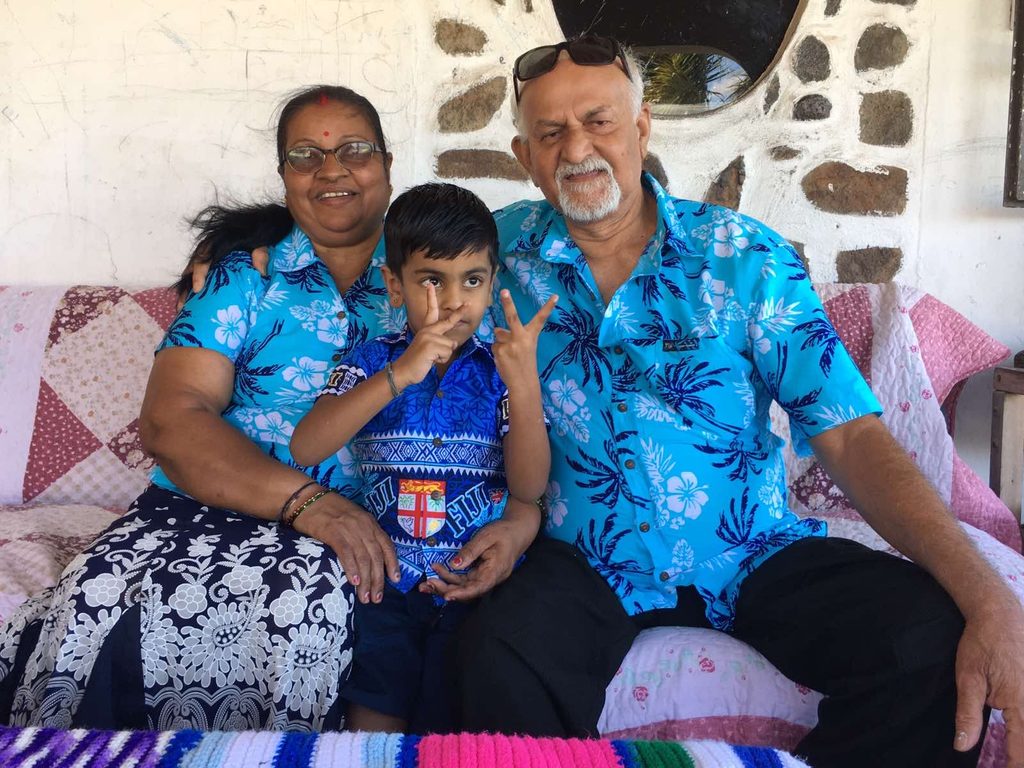
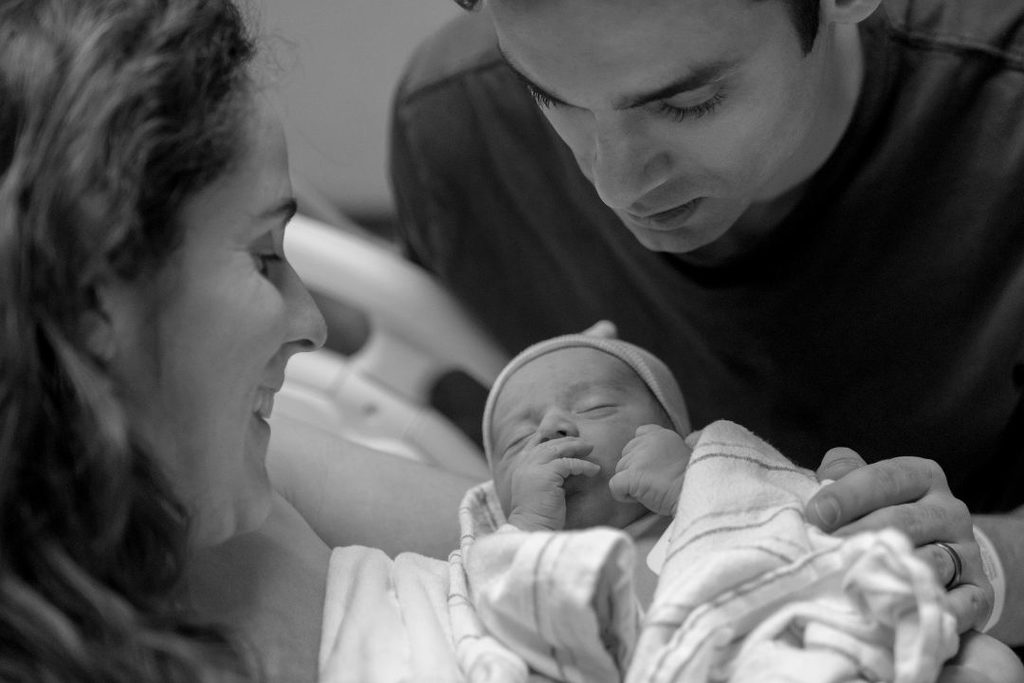
Mr and Mrs Jagdish Chand with one of their grandsons. Picture: SUPPLIED
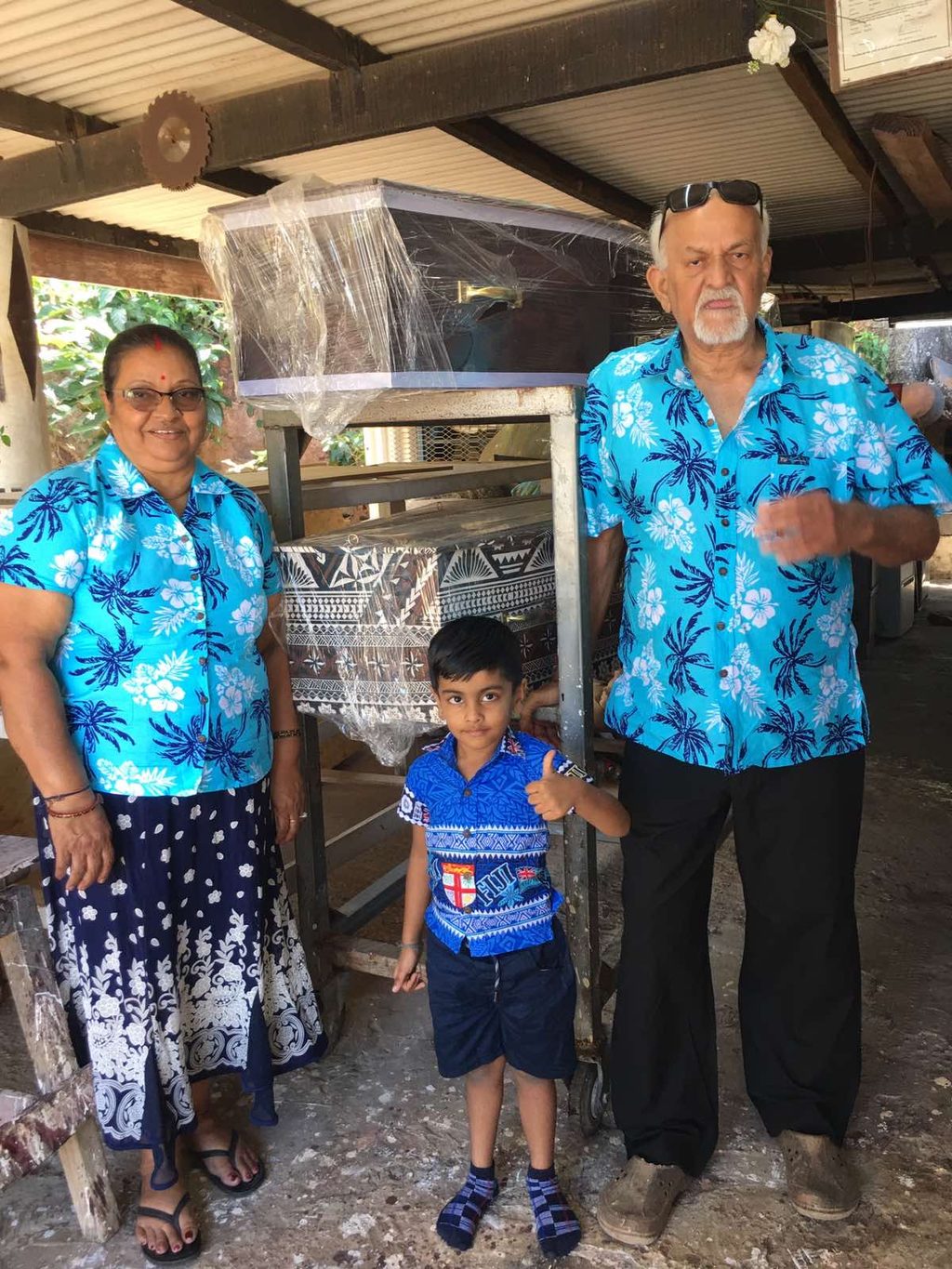
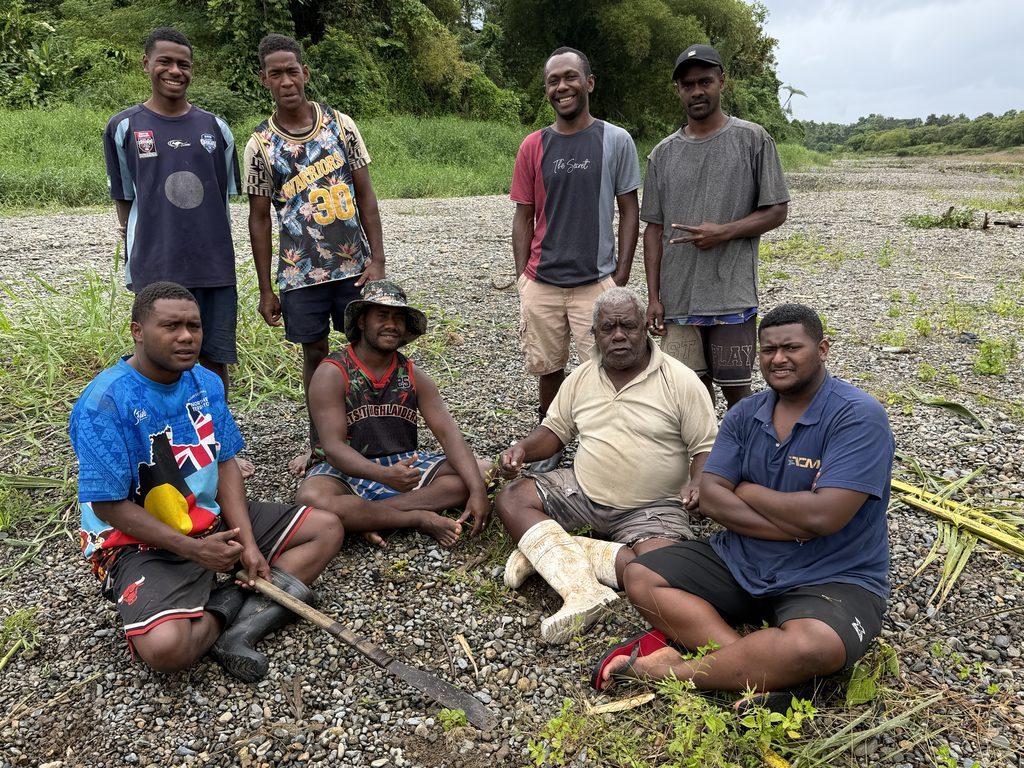
At the coffin-making workshop. Picture: SUPPLIED