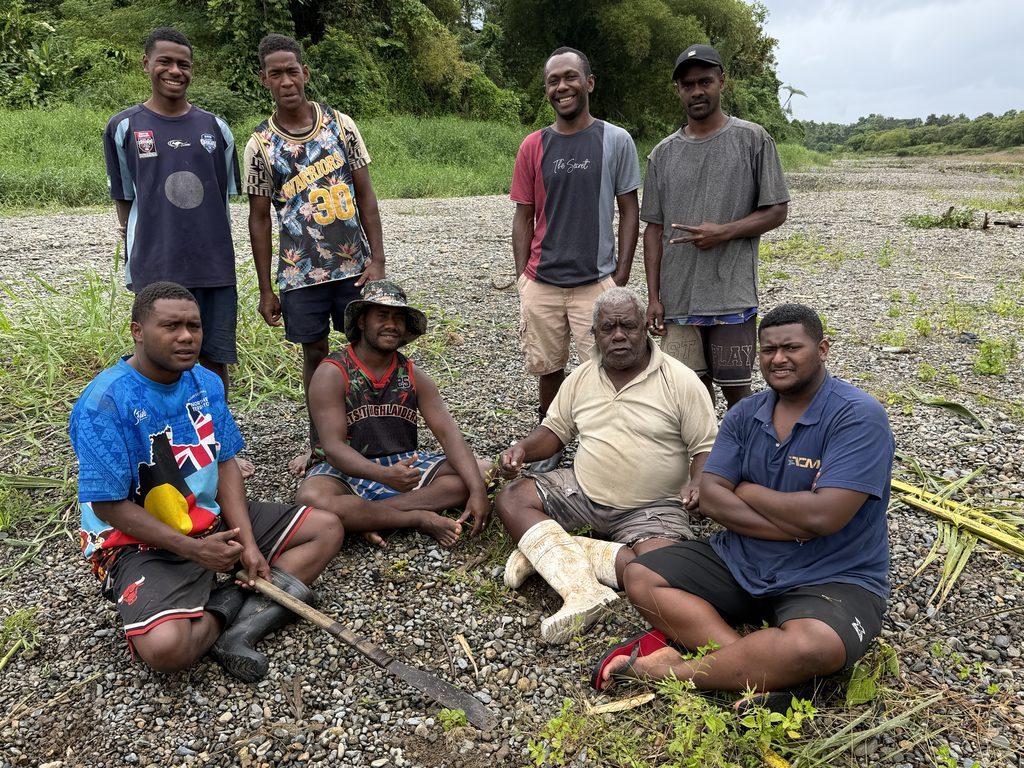
THE bilibili-a-thon brought Naitasiri youths back to the river their ancestors travelled last week, reviving traditional knowledge while strengthening the bonds between villages.
The Wainimala River carried more than bilibili rafts downstream during the week-long event, it brought young people closer to the traditions of their ancestors and renewed relationships between villages that were once connected by the waterways.
Organised by the Methodist Church of Fiji’s Naitasiri Division Methodist Youth Fellowship (MYF), the event began at Serea and ended at Navuso Village, where participants raised funds.
According to Waimaro/Soloira Circuit Talatala, Reverend Inoke Rawalai, the journey was more than reaching the finish line.
It was an opportunity to restore the bonds that once connected communities along the river and pass on traditional knowledge to a younger generation.
Mr Rawalai said the journey followed a route used by their forefathers when roads were not yet constructed in the province.
In those days, people travelled by river and often stopped at Serea to rest before continuing their journey.
These stopovers allowed them to meet people from other villages and strengthen relationships that had developed over generations.
Road transport had since made travelling faster, but it had also changed how people connected with one another.
“Now with vehicles, it doesn’t have that same level of connection as parts of the roads do not go through villages like the river does,” Mr Rawalai said.
He said people travelling by road often had little time to stop and talk, unlike those who travelled by river and spent time in the villages along the way.
The bilibili-a-thon aimed to help young people understand the importance of those relationships and experience a way of life their elders remembered.
“When they arrive in a village, they enter their mata ni katuba,” he said, referring to the traditional gateway through which people entered a place where they shared an established bond with a clan or chief.
Mr Rawalai said many of these connections remained strong among elders, but some young people no longer have the same understanding of those relationships that linked communities.
The journey provided an opportunity for them to learn about these traditional ties rather than simply pass through villages on their way to the next destination.
“We want to enrich that again,” he said.
Passing on the knowledge
The journey down the Wainimala River gave youths an opportunity to learn how their ancestors used natural resources around them.
Naitasiri is known for its bamboo, or bitu, which had long been valued for its strength and practical uses.
Mr Rawalai said the event encouraged young people to understand the importance of such materials and how they could be used in everyday life.
Building a bilibili required knowledge of the materials available in the environment and the skills to put them together.
Through the preparations, young people worked alongside elders who shared their knowledge of traditional construction.
The Ministry of iTaukei Affairs judged the bilibili competition, including whether the materials used were natural.
Mr Rawalai said preparations for the event had already brought people together, with elders sharing their knowledge and youths learning to appreciate it.
“Even preparing for the bilibili competition has brought many of us together. It has strengthened our relationship where elders impart their wisdom to youths and youths take it in and appreciate it,” he said.
For the youths, the process of building a raft was also a lesson in working towards a shared goal.
Each participant had a role to play, and the journey depended on their ability to work together.
Learning from the river
Beyond the cultural lessons, Mr Rawalai hoped the journey would help young people recognise changes in their natural environment.
He said the river offered a visible reminder of how conditions had changed over time, including the decline in water levels near Serea.
“Before the river level at Serea used to be close to the village, where we sit today was a river where punts and boats often moved freely on. Now it’s dried up,” he said.
He said villages had witnessed these changes and were adapting to drier riverbanks.
By travelling along the river, the youths had an opportunity to observe the water levels and consider how changing climatic conditions could affect their communities in the future.
For Mr Rawalai, this understanding was part of the wider purpose of the bilibili-a-thon.
Young people needed to know where they came from, understand the environment around them and value the relationships that had sustained their communities.
Waimaro/Soloira Circuit MYF youth leader, Timilai Livale of Serea said the event gave young people an opportunity to learn about their traditional way of life.
He thanked God for the initiative, which allowed youths to participate in an activity that connected them with their elders.
“We are so happy that another event is being held where youths can participate and learn from their elders,” he said.
Livale said bilibili had long been part of life in Naitasiri, where people relied on the river for transport before roads were built.
He acknowledged that building the rafts was not a walk in the park, but said the work taught young people the value of cooperation.
“Building bilibili is not easy but it’s all about working together to accomplish a task,” he said.
A journey with a purpose
The bilibili-a-thon also gave young people a platform to raise awareness about issues affecting their communities.
Mr Livale said the youths hoped to use the event to draw attention to challenges facing the nation, including drugs and HIV/AIDS.
He said the support of the church and the vanua was important in helping young people address these issues in their villages.
“With the church and the backing of the vanua, we are able to overcome those challenges here in the village,” he said.
The idea for the event came from the Talatala Qase for the Naitasiri Division, who wanted to introduce a different way for youths to participate in awareness activities.
Instead of holding a march, the division organised an event in which young people built something using traditional skills and showcased their work.
Naitasiri’s rivers made the bilibili-a-thon a fitting choice.
The journey allowed youths to demonstrate their skills while learning about the province’s heritage.
The decision to end the journey at Navuso also reflected the village’s significance to the Methodist Church in Naitasiri.
Naitasiri Division MYF secretary, Milika Ravulo said the event began with a church service at Serea on Monday October 26, during which participants were wished well for the week ahead.
The bilibili journey officially began at Naluwai Village on Tuesday, with five rafts setting off down the river.
The program covered 10 circuits in the Naitasiri Division: Delaivalelevu, Tovata, Kalabu, Soloira, Nayavumata, Lomaivuna, Burelevu, Nawere, Rara and Naitasiri.
Ms Ravulo said participants joined the journey at different points along the route, with each circuit contributing to the event.
The first stop was Navolau, where participants ate and slept before continuing their journey the following morning. Another bilibili from the Nayavumata Circuit joined them there.
On Wednesday, another raft from Navutu Village joined the group before they travelled to Viria for an overnight stop.
Participants from the Burelevu Circuit, travelling along the Waidina River and met the others at Viria.
The journey continued on Thursday to Namuamua Village, where the Naitasiri Circuit bilibili joined the group. The participants then travelled to Nacokaika Village to spend the night.
On Friday, they continued to Kasavu Village, where they rested and decorated their bilibili before beginning the final leg to Navuso for the main event.
Ms Ravulo said each circuit raft was expected to carry 15 people.
A total of 120 participants had been confirmed for the event, excluding those travelling on smaller bilibili accompanying the main rafts.
She said the Ministry of iTaukei Affairs’ involvement in judging the competition was an important part of the program, particularly in ensuring the rafts were built using natural materials. The journey was also a reminder that traditional knowledge remained relevant in today’s world.
The skills used to build a bilibili were not simply practices from the past; they provided a way for elders to teach younger generations about the resources available to them and the importance of working together.
As the rafts made their way towards Navuso, participants carried more than the responsibility of completing the journey – they experienced the river as their ancestors had, stopped in villages along the way and learned about the bonds that once linked communities across Naitasiri.
For the organisers, the hope was that those connections would continue beyond the event.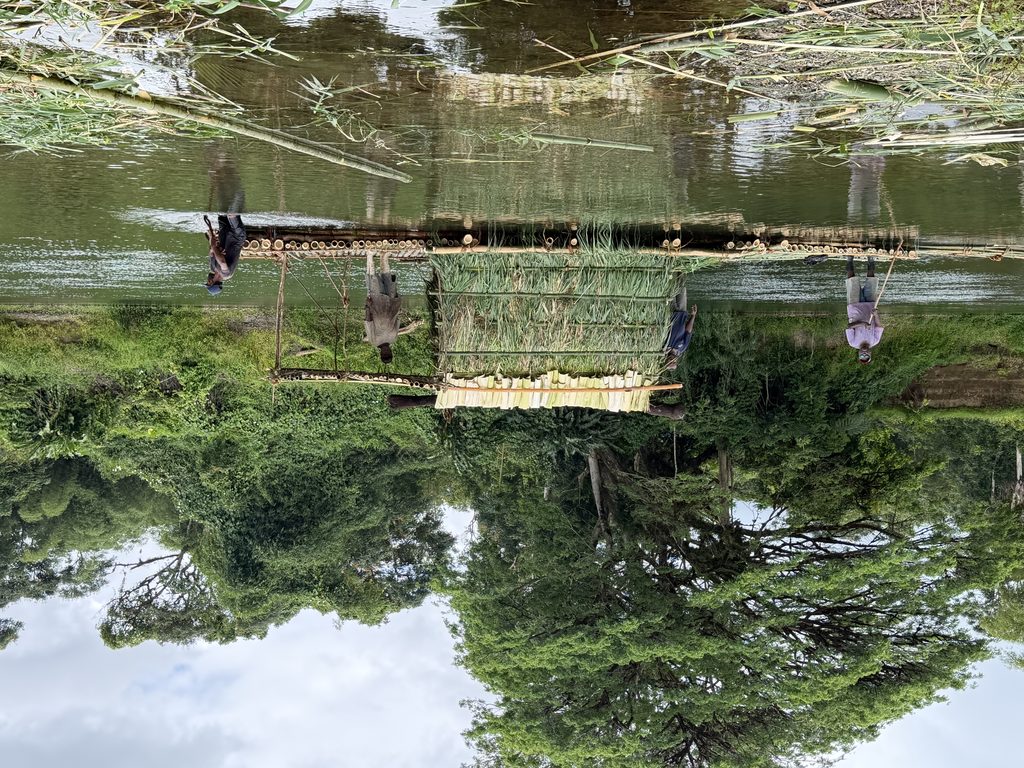
The people of Serea worked tirelessly to complete two bilibili for the bilibili-a-ton event this week. Picture: ANA MADIGIBULI
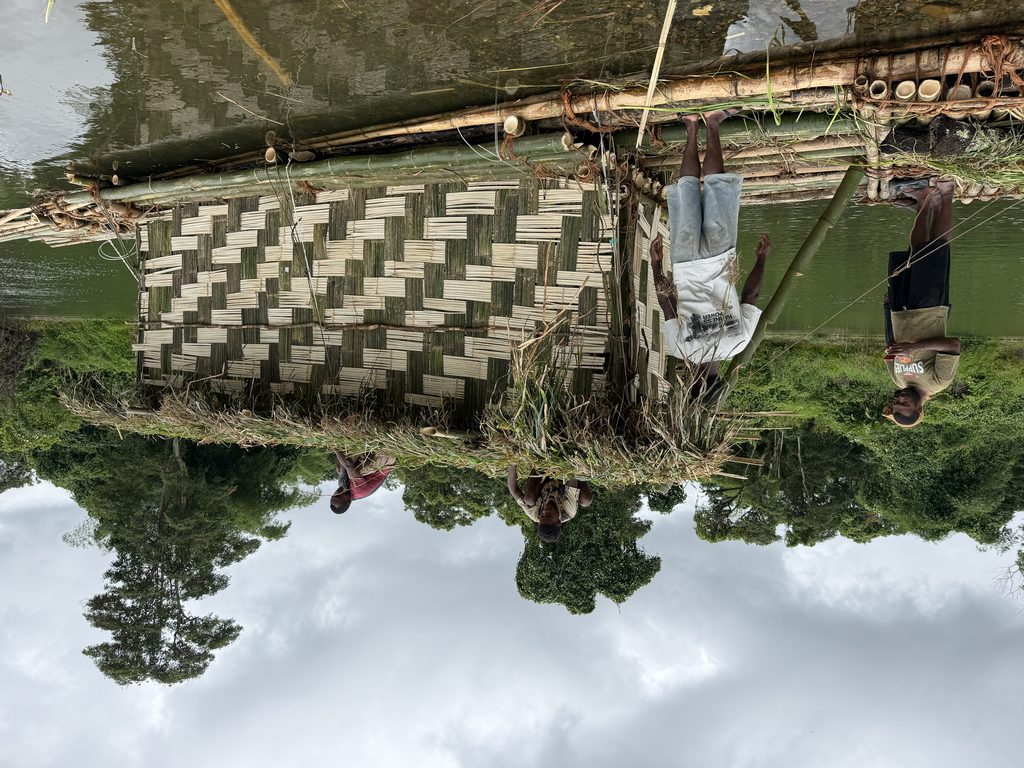
Final touches to the bilibili at Serea, Naitaisiri last week. Picture: ANA MADIGIBULI
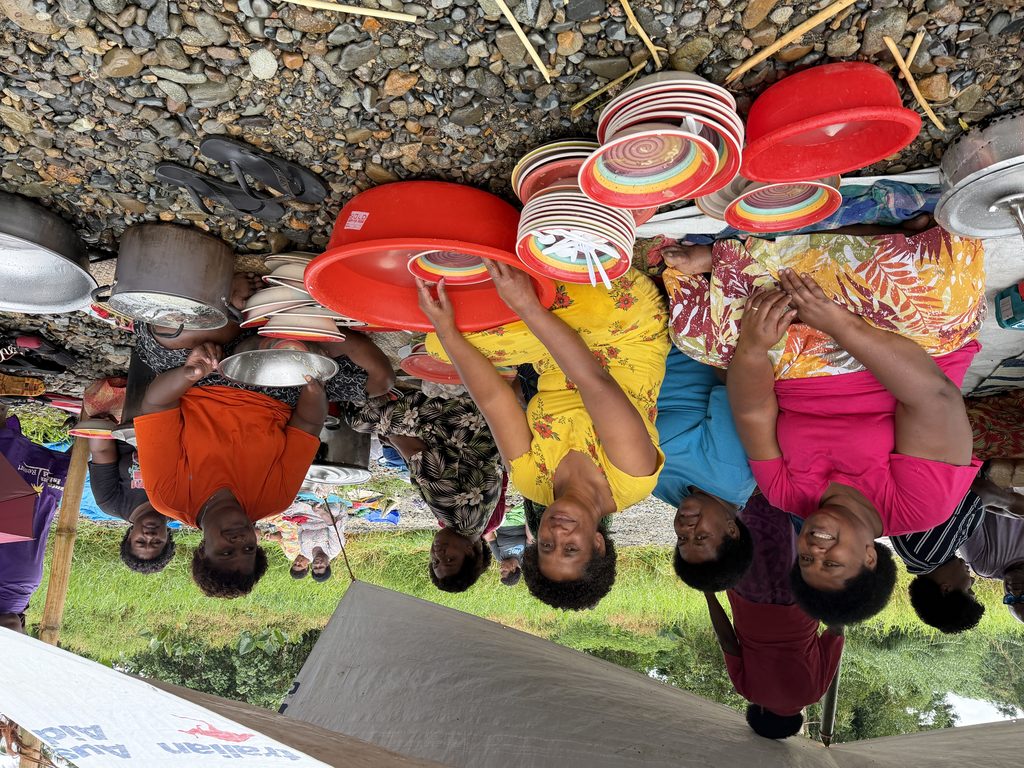
Women of Serea prepare food and tea for the youths and men of the village.
Picture:
ANA
MADIGIBULI
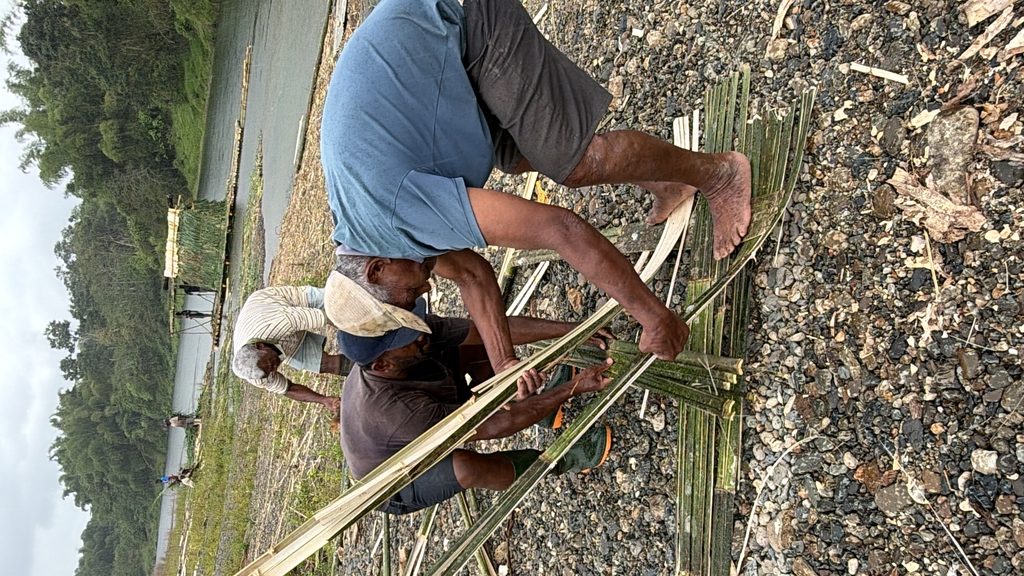
Preparations for the event had already brought people together, with elders sharing their knowledge and youths learning to appreciate it. Picture: ANA MADIGIBULI
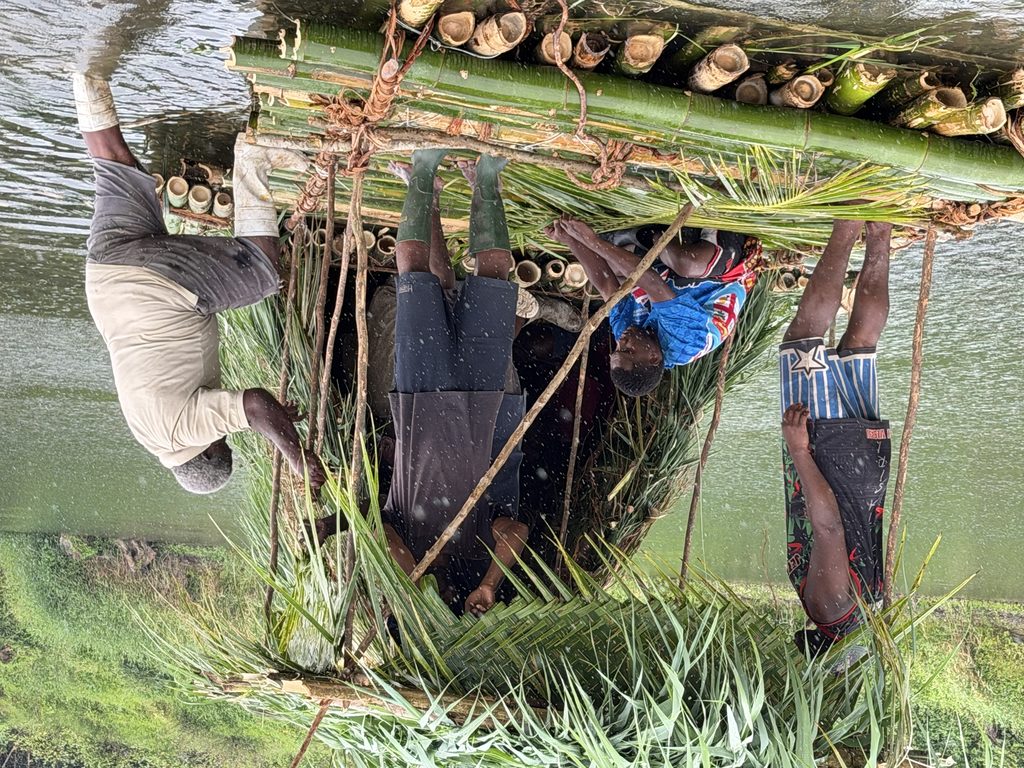
Everyone has a role to play during the preparation and building stage. Picture: ANA MADIGIBULI
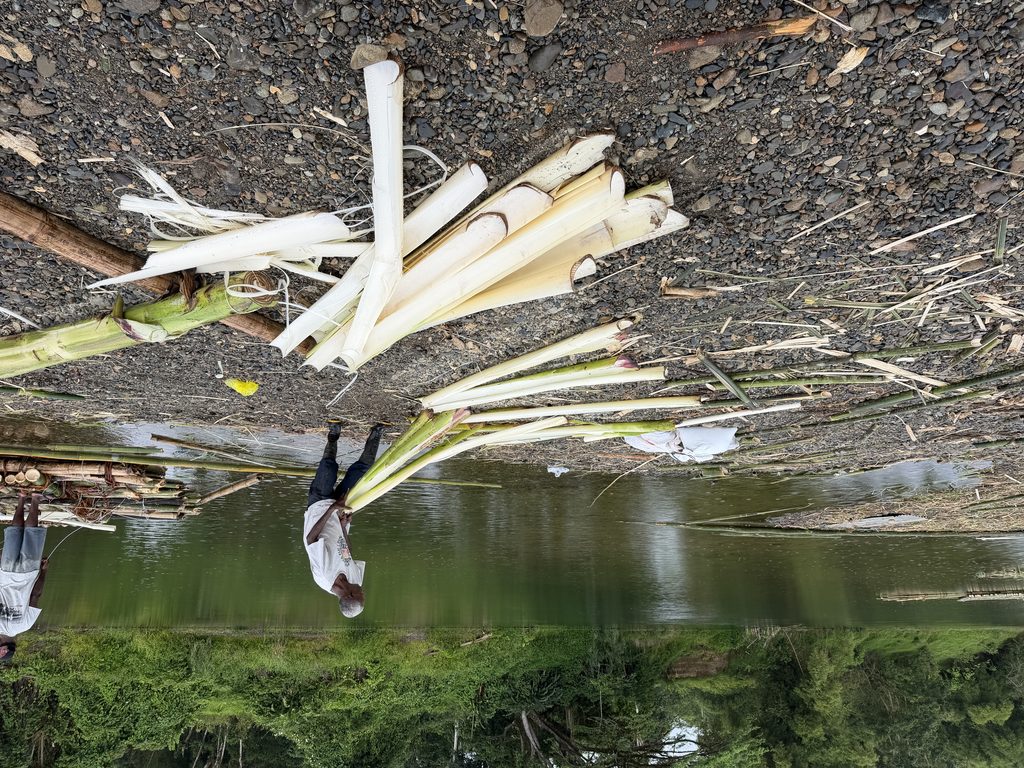
Only natural materials are used to build the bilibili.
Picture: ANA MADIGIBULI
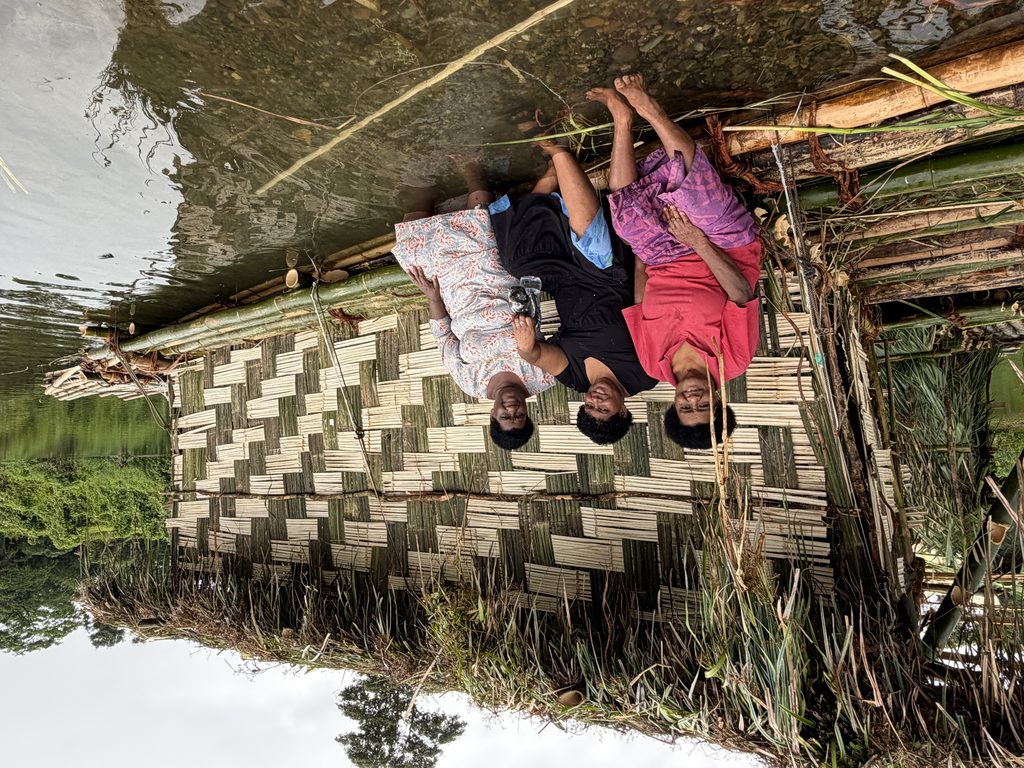
Women of Serea take a break from preparing food.
Picture:
ANA
MADIGIBULI
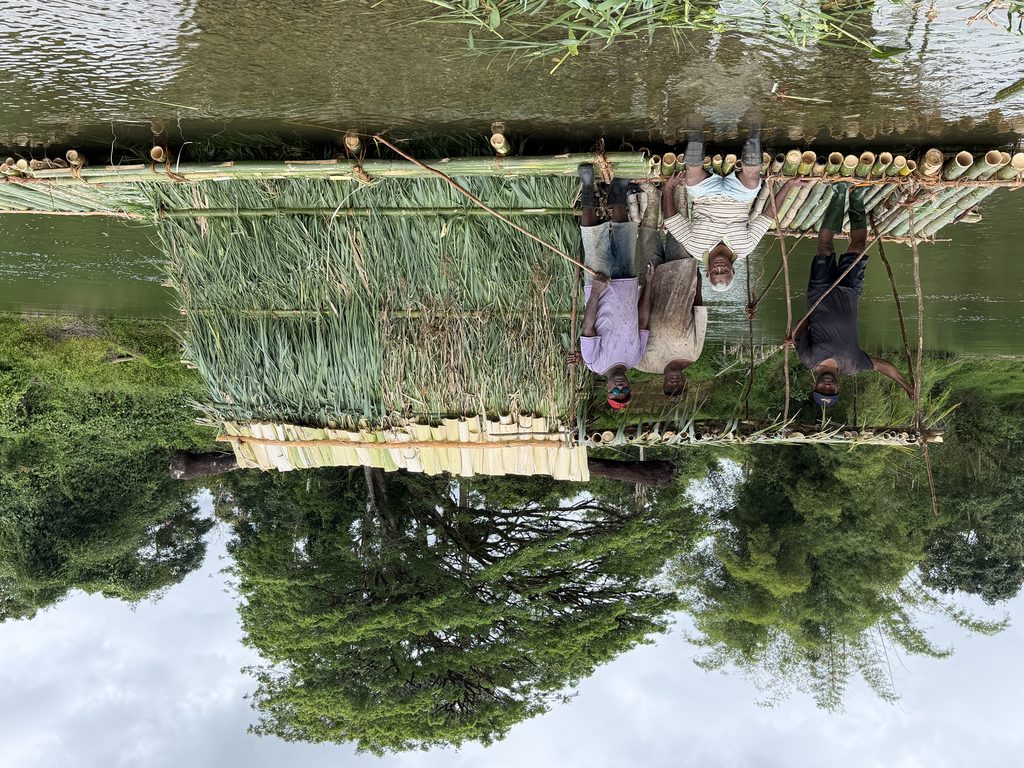
RIGHT: Building a bilibili required knowledge of the materials available in the environment and the skills to put them together. Picture: ANA MADIGIBULI