ON the first night in hospital following childbirth, the ward quietens down as families bid farewell and visiting hours end.
In some hospitals, partners can’t stay overnight. As the lights dim, mums are wide awake, working out how to feed and settle their newborns while physically exhausted, emotionally charged and mentally drained.
Moving around is slow and tender, but their tiny babies depend entirely on them. So on that first night, they must respond to all of baby’s needs. As the only parent in the room.
I recall one of my births. I was an experienced mum and a perinatal support person, so I had prepared well.
But labour can still go somewhere unplanned.
At my 38th week of visit, I was suddenly told I had to be induced. Hearing the word “induction” leave my doctor’s mouth, gave a very human reaction. My mind raced, and my body reacted on its own. It tensed. Many things were happening on the inside.
A change completely out of my control left me feeling alone, because the physical part of labour can only be done by the birthing mum.
After 24 hours of a long and difficult labour, I was told I would soon be able to push. I was out of ammo and the energy tank was empty. I deliriously nodded, trying to gather my thoughts.
It’s true for every labouring mum: as labour moves from one stage to the next, no one can find the energy she needs. No one can push for her. At that critical moment, when she is more exhausted than words can describe and her brain and body seem disconnected, she must somehow find a new power source and reconnect everything to work in tandem for that last, safe push.
Labour and birth can take unexpected turns. You can’t plan for every scenario. But you can learn ways to cope, and practise them. That is what pregnancy classes gave me.
The unexpected did happen, even things I had never heard of. But I had tools to unpack each one. They helped me land better. My confidence was rattled, but I still felt some control. Other moments were traumatic. Thankfully, they did not follow me into the postpartum period.
I credit pregnancy classes for that. It’s during pregnancy classes that we also discuss hard things, like emergencies or loss. You learn what to expect and what to ask, so you can make informed decisions. You decide who will accompany you.
Classes are a good place for mums and dads to learn together. Dads build the tools and confidence to support their partners. Mums have a partner by their side from the first class to the first weeks at home. In my experience, classes are one of the most important things expectant families can do. Classes bring parents closer and build a strong foundation. Book early, and give yourselves time to prepare.
What makes a mum feel safe
What makes a mum feel safe is different for every woman. The people around her, whether partner, mother, siblings or children, can find out what helps by calmly checking in each day.
For a mum who might be having, say, her fourth child, everyone assumes experience makes it easier. So they may not check on her much. But experience doesn’t protect her emotional health. It doesn’t ease the pain of pushing, or the physical and emotional depletion.
A young mum, walking into the labour room for the first time, told me she felt less afraid because someone calm was by her side. Another mum, grieving a loss, said having a steady hand to hold, and someone who sat with her without trying to fix anything, helped her cry freely.
The feeding journey
When feeding doesn’t go as smoothly as you hoped, you feel pressure immediately, whether it’s your first baby or your fifth. Sometimes the doubt comes from within. With my first baby, breastfeeding was initially challenging, so I began pumping and feeding her breast milk from a bottle. I felt I was letting her down. I somehow forgot she was being fed well, and I was still winning.
When breastfeeding isn’t possible, formula is a great plan B. Follow all guidelines for preparing formula and cleaning bottles, and ask your nurse or doctor when you’re unsure. As long as baby is fed well, fed frequently and thriving, what matters most is doing your best and making the decisions that are right for your family.
If you’re part of the team at home, offer help before advice: a drink, a snack, a cushion, or settling baby while mum rests. For mothers, it’s normal to worry about whether baby is eating enough. Check in early with your nurse or doctor so baby can be assessed. Ask every question until you have peace of mind.
When the circle is thin
I remember a time when my husband was away for work. Our newborn and I came down with the flu. I moved our toddlers to the next room and kept them busy with fun activities, so they wouldn’t catch it. Feeding was hard with baby’s stuffy nose. Saline drops helped, but I booked a doctor’s appointment to be sure I was doing everything right at home.
After a few heavy days, sleep deprivation on top of illness started to overwhelm me. Then, as if on cue, my mother arrived with my aunt. They went straight to the kitchen: a delicious lunch, plus a nutritious chicken soup for dinner. They sent me to bed with baby while they played games and read books with our girls.
As I lay down, I gave thanks for family who show up. A mother knows what her daughter needs, often before she asks.
But not everyone has family close by. A phone call, a meal dropped off, or a quick video chat still helps bridge the distance. Then there are mums with no circle at all. The baby arrives, the new parents go home, and dad is soon back at work. Mum is recovering and caring for baby alone. Her only support: the nurses and doctors she sees on clinic days.
Where experienced support fits
A doula is an experienced perinatal support person who is with you throughout pregnancy, teaching you and your partner through classes so you feel informed and confident along the way. By labour, you already know and trust us.
We are birth companions to mum and dad in the labour room. We help with comfort, hold mum up when she needs to move, and go through breathing and positions together. We remind mum what she has learned, and how to use it. We support dad, so his care and effort make a difference.
In the weeks that follow, we support recovering mums, and dads caring for both their partner and the newborn, so mums can rest and recover.
We play a big part in those first days of breastfeeding or bottle feeding. We walk mums through the techniques we practised in our classes, and help them find what works best for them. We work alongside your midwife and doctor, never in place of them.
What the research says, and what I’ve seen
A Cochrane review ( a systematic review of research in health care and health policy) suggests women with continuous support in labour are more likely to give birth without instruments or a caesarean. The World Health Organization recommends every woman has a companion of her choice.
A 2026 review of doula studies found the most consistent benefits were lower anxiety and more mums starting to breastfeed. The reviewers say more research is needed. I agree wholeheartedly: there is much more to capture. From 26 years in the room, I believe the benefit is the combination of support, held together by experience.
My advice
It always pays to consider the recommendations of trusted authorities, like your doctor, the Ministry of Health, and organisations that look out for birthing mums. The WHO also suggests choosing your companion during pregnancy, not on the day.
Whatever your age or situation, you deserve support. Choose someone who can give it. It might be your mother, your sister, a friend, or someone from your church family you trust.
Based on what mothers have told me over the years, I believe a doula’s collective experience is of great value to any woman and family. It can help you cope, and how you cope can change how the whole journey feels, even when things don’t go to plan.
DEBRA STRONG is a Suva-based doula who runs Pacific Doula Servicas Pte Ltd. She has been providing pregnancy, birth and postpartum care for the women of Fiji for more than 25 years.
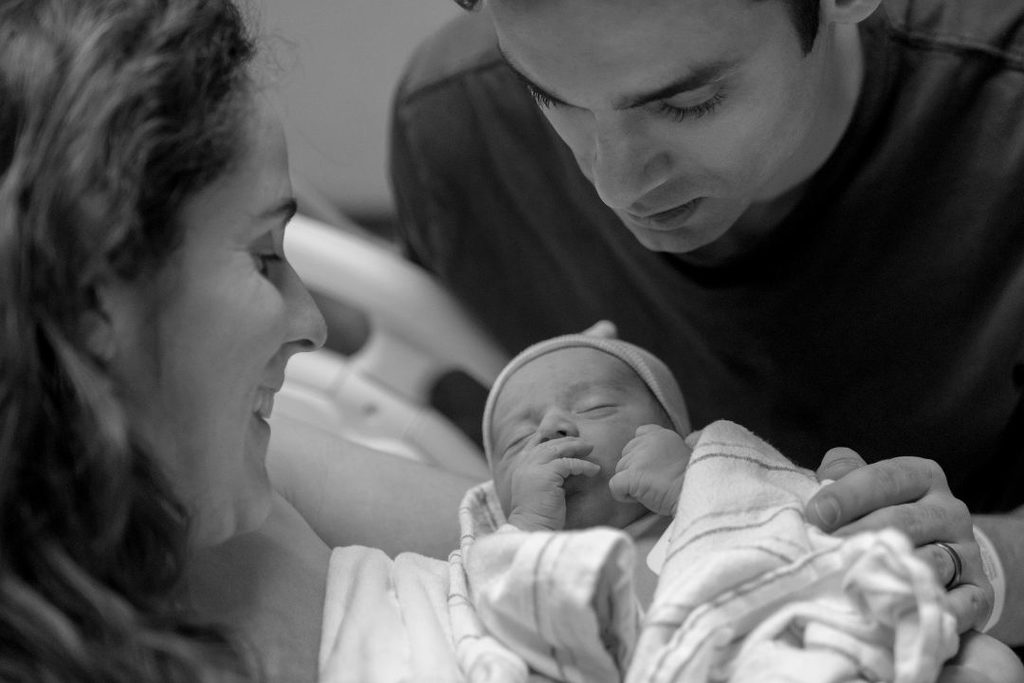
A doula is an experienced perinatal support person who is with you throughout pregnancy, teaching you and your partner through classes. Picture: tribuhouse.com