FROM Bali to China and Okinawa, mud has long been part of traditional celebrations, where it is used to symbolise cleansing, invite good fortune, ward off evil and bring people together.
In Fiji, a similar tradition lives on in Vatubalavu Village in Noikoro, Navosa, where villagers welcome the New Year by covering one another in mud.
When the New Year arrives, the village does not simply mark the occasion with celebration.
It turns to an old tradition in which mud becomes part of welcoming the year ahead.
The tradition of mud smearing, or creating a mud bath, is an old practice in Vatubalavu Village in Noikoro, Navosa.
For generations, villagers have gathered to take part in the practice with everyone from the youngest to the oldest becoming part of the festivities.
But before the first bucket of water is splashed or the first person is covered in mud, permission must be sought from the village chief.
Villager Seveci Lumelume said the tradition begins with seeking approval for what is known as the opening of the vakatawase.
“When the New Year arrives, the smearing of mud begins but before it can actually happen, seeking approval from the chief needs to be sought before anyone can participate in the traditional mud smearing,” he said.
Once approval is given, the men collect the special type of mud used for the occasion.
A hole is dug in the village ground, and water is added to the mud collected and mixed.
The mud used is red, and it is transported back to the village before being placed into the hole prepared at the village ground.
“When the approval is given then the men will go to collect the mud that will be used. There is a special type of mud that is used for the occasion,” Lumelume said.
A tradition carried
through generations
For the people of Vatubalavu, the practice is not a new celebration introduced in recent years.
It is something inherited from those who came before them.
“This is not a new tradition for us because it’s something that been done over generations. Elders did it and we continue to do it to,” Lumelume said.
“I have seen it done for many years here. I have even asked for approval from the elder in the village as a young man to do it.”
The practice is part of the opening of the vakatawase, which includes a range of activities involving water and mud.
Mr Lumelume said permission to open the vakatawase covers activities such as splashing buckets of water, taking people to the river for a dip and mud smearing.
“We called it na dola ni vakatawase,” he said.
The person who seeks permission also carries a responsibility to provide food for the occasion.
“Whoever seeks permission will also have to provide a magiti for the event while the villagers will contribute little as well for the festivity,” Mr Lumelume said.
“Most of the time those with maternal links to the village (gone vasu) like me will seek permission for the opening of the vakatawase.”
Respect begins the celebration
Although the mud bath is remembered for its fun and communal spirit, the practice also reflects the respect given to the village chief.
Once the mud hole has been prepared, the first person taken to the mud bath is the chief.
“When the hole is dug and the mud is added with water, the person who will be taken to the mud bath spot first will be the chief of the village,” Lumelume said.
Only after the chief has returned to his home do the villagers continue smearing mud on one another.
“It shows the level of respect they have,” he said.
The mud bath can continue for a week.
There is no fixed invitation list, and no one is necessarily left out.
Sometimes, people can be at home or even asleep when others arrive to take them to the mud hole.
“Everyone in the village is taken to the mudhole to be smeared or dipped in mud – from old to the young, everyone participates.”
A tradition shared beyond Fiji
The practice of using mud in celebration and purification is not unique to Vatubalavu.
According to the Straits Times, a mud bath known locally as Mebuug-buugan is traditionally practised in the Kedonganan Traditional Village in Bali, Indonesia.
The ritual is believed to purify participants and remove bad luck and negative energy, with the mud symbolising human impurities, sins and negative energy accumulated over the past year.
In Cangyuan County in Yunnan Province, China, the Wa ethnic minority marks the annual Monihei Carnival, during which participants smear each other with a special herbal mud to wish for health, luck and happiness. In Okinawa, Japan, the Paantou tradition is held in autumn. Masked deities covered in sacred mud move through the streets, smearing mud on people, cars and new houses as a way of warding off evil spirits and bringing good health.
In Vatubalavu, the meaning is rooted in the village’s own traditions and customs, with the practice forming part of how the community welcomes the New Year.
In Navosa, Lumelume said much of the practice is carried out in the districts of Namataku, Nasikawa and Noikoro.
What may appear to an outsider as simply a village covered in mud is for the people of Vatubalavu, an inherited tradition.
It is a celebration that brings generations together, begins with respect for the chief and continues through the participation of the entire village.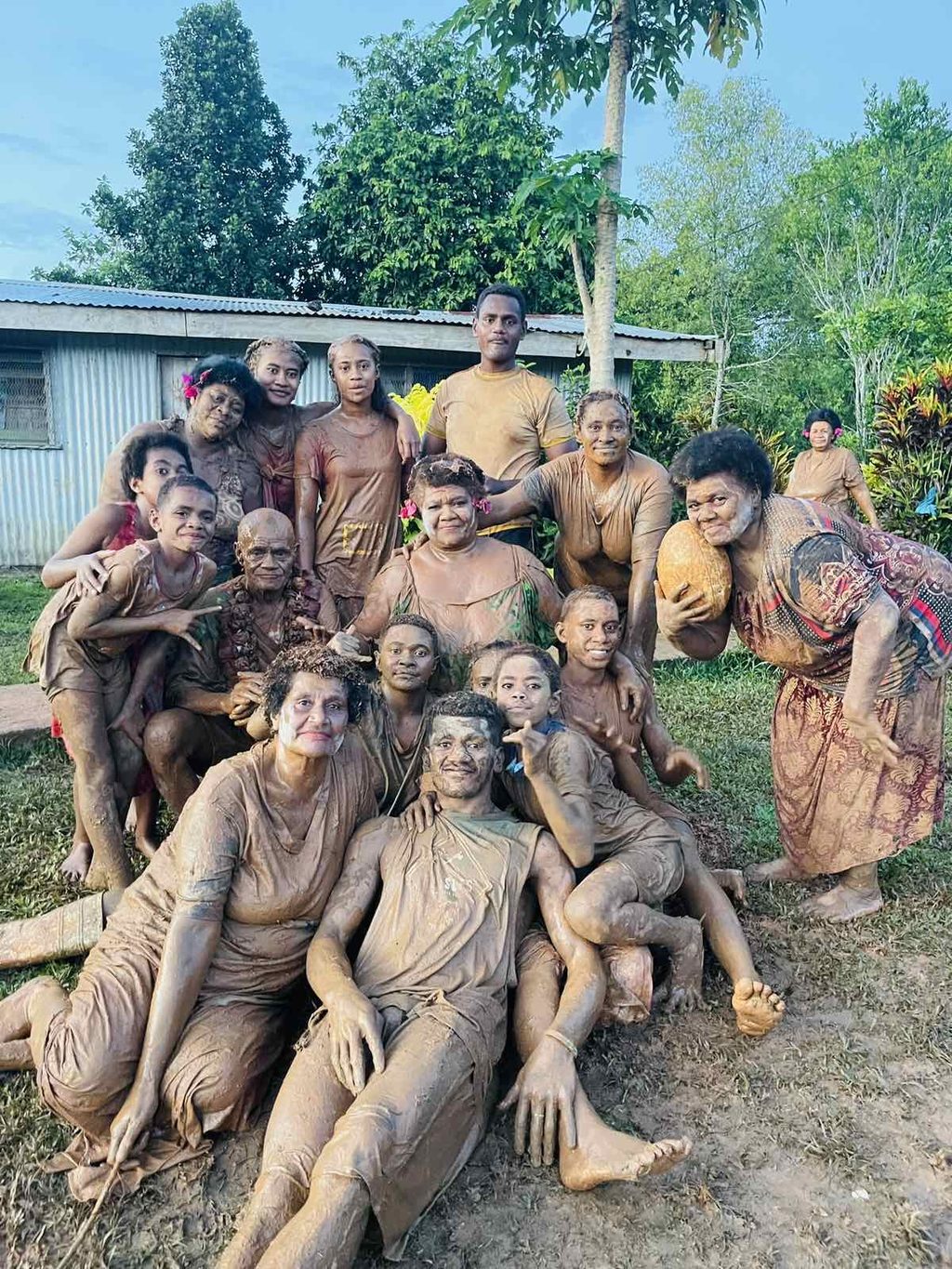
Although the mud bath is remembered for its fun and communal spirit, the practice also reflects the respect given to the village chief. Picture: SUPPLIED
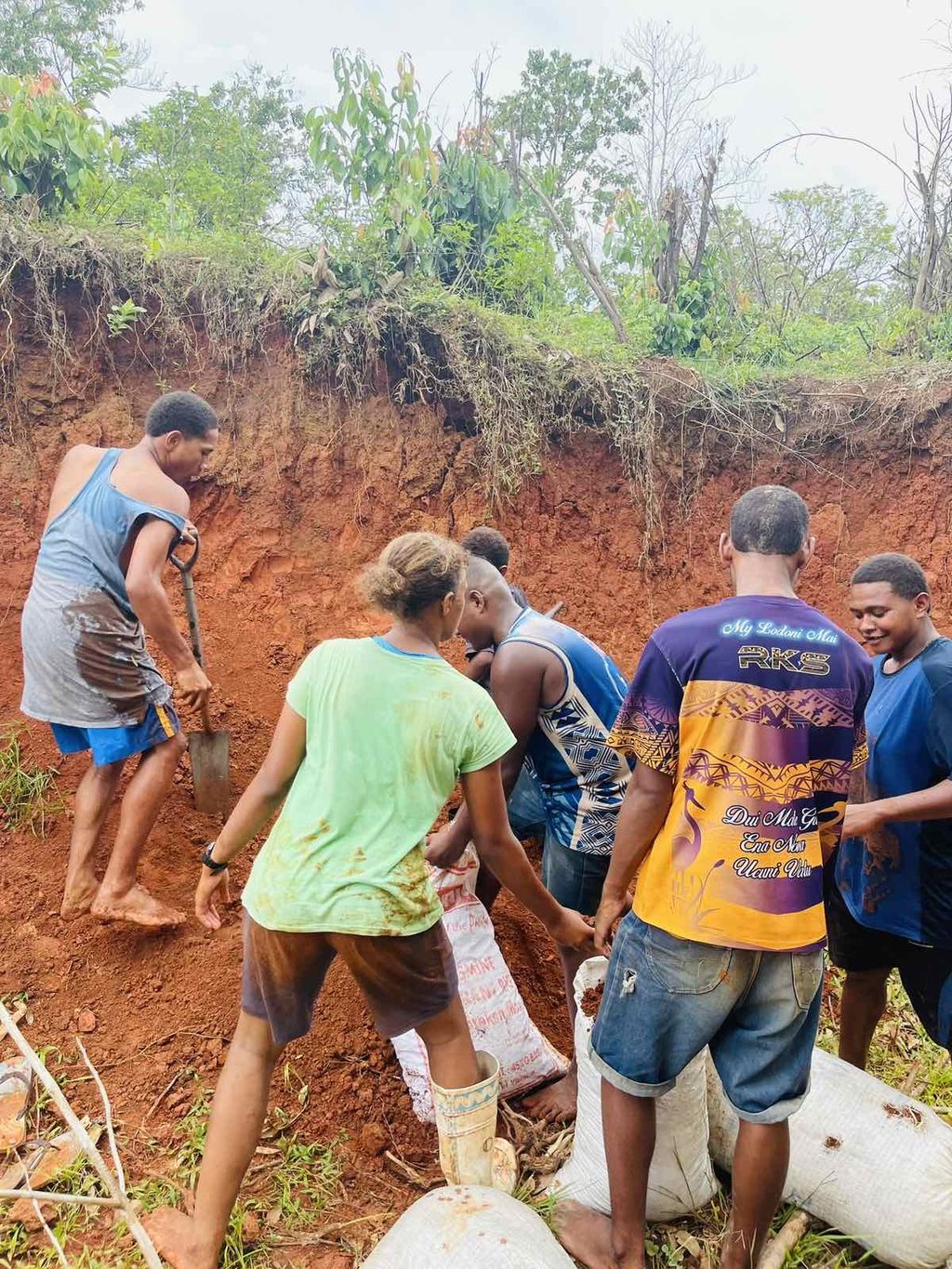
Villagers travel to a specific place to dig out the red soil used for the mud bath. Picture: SUPPLIED
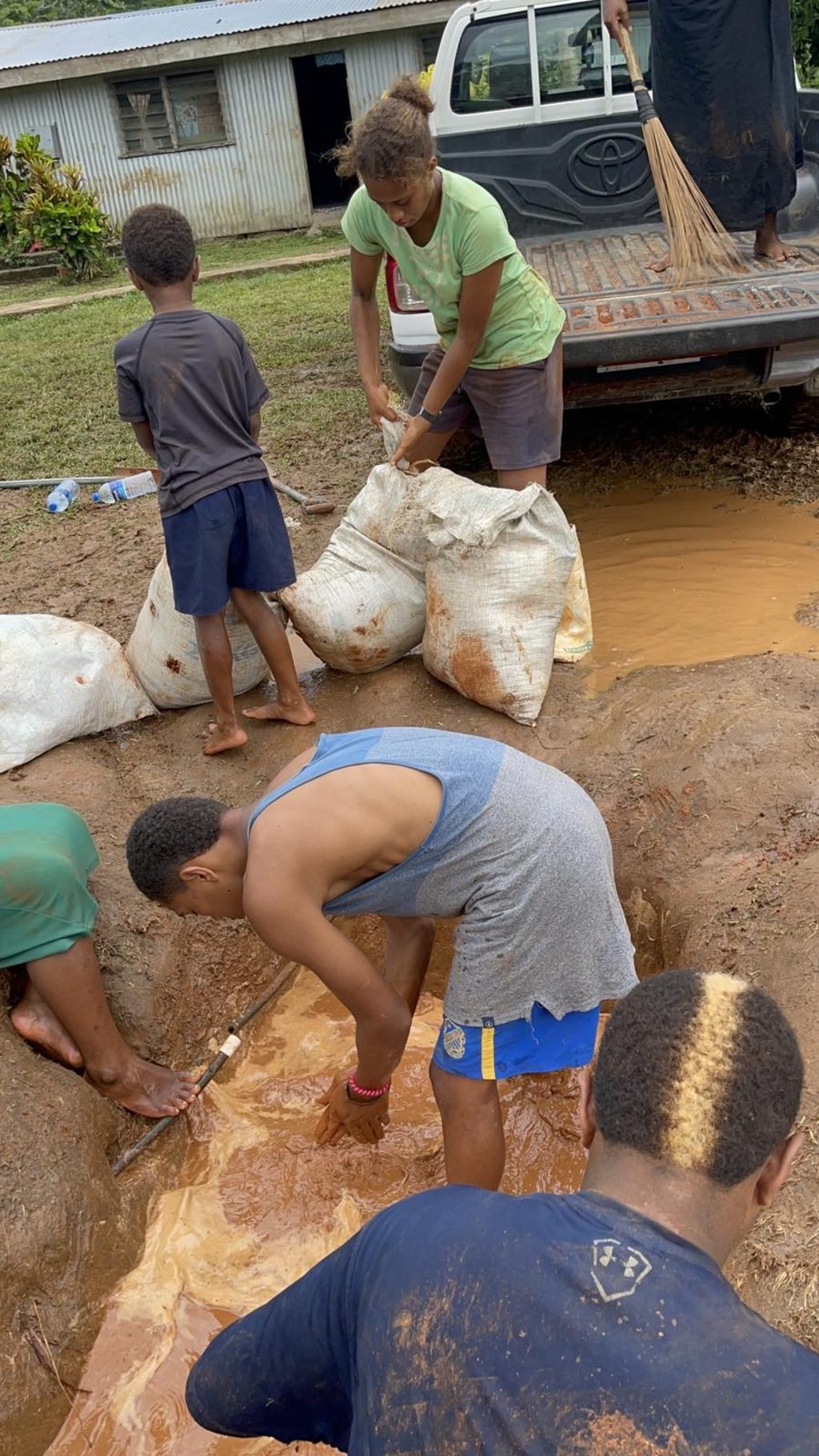
The pool that was dug up in the village ground is filled with red soil. Picture: SUPPLIED
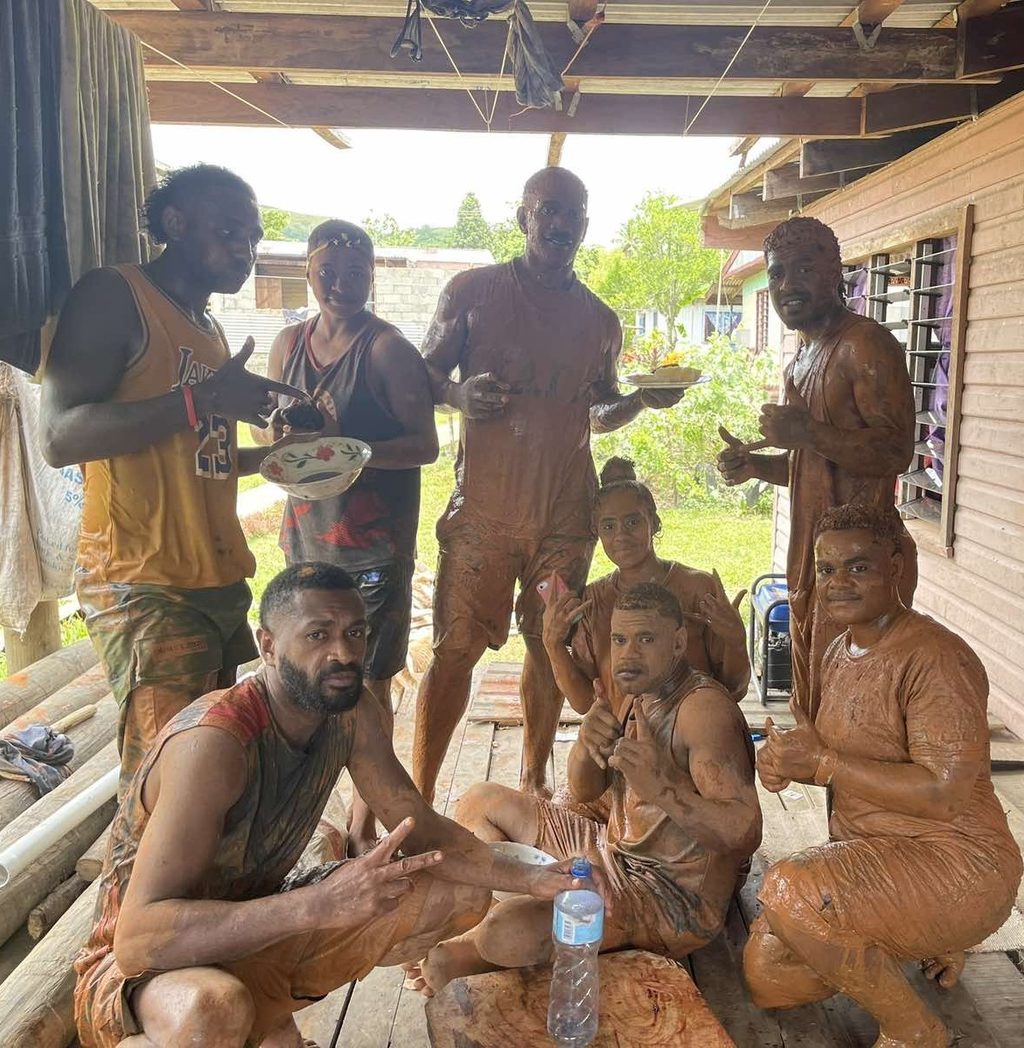
When the New Year arrives, the village does not simply mark the occasion with celebration, it turns to an old tradition in which mud become part of welcoming the year ahead. Picture: SUPPLIED
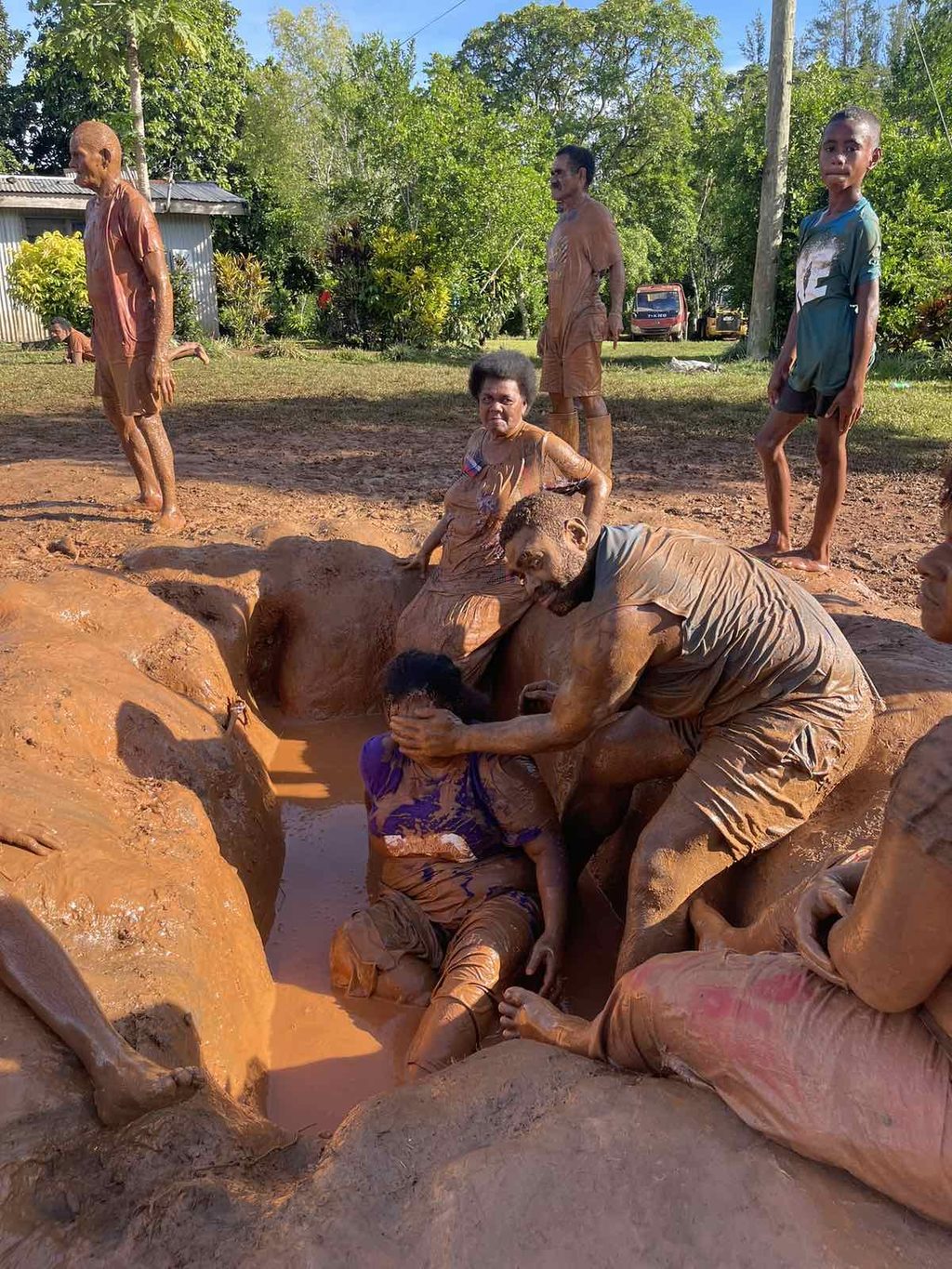
For generations, villagers have gathered to take part in the practice with everyone from the youngest to the oldest becoming part of the festivities. Picture: SUPPLIED