
Along the fog-draped, winding highway on the northeastern flank of Viti Levu, our journey from Suva began in the quiet hours of the morning. The road snaked through green ridges and scattered settlements, where life was already stirring. By the roadside, women from nearby villages sat patiently beneath makeshift shelters, laying out bundles of dalo, yaqona, and handcrafted goods for passing travellers.
It is a familiar but telling scene of rural commerce at the edge of the King’s Highway, where tradition thrives alongside an increasingly dynamic agricultural economy.
Two hours into the journey, the destination comes into view: Bucalevu, a hilly, fertile pocket of land in the district of Nakuilava in Ra province, where yaqona is not merely a crop, but a livelihood that is reshaping fortunes.
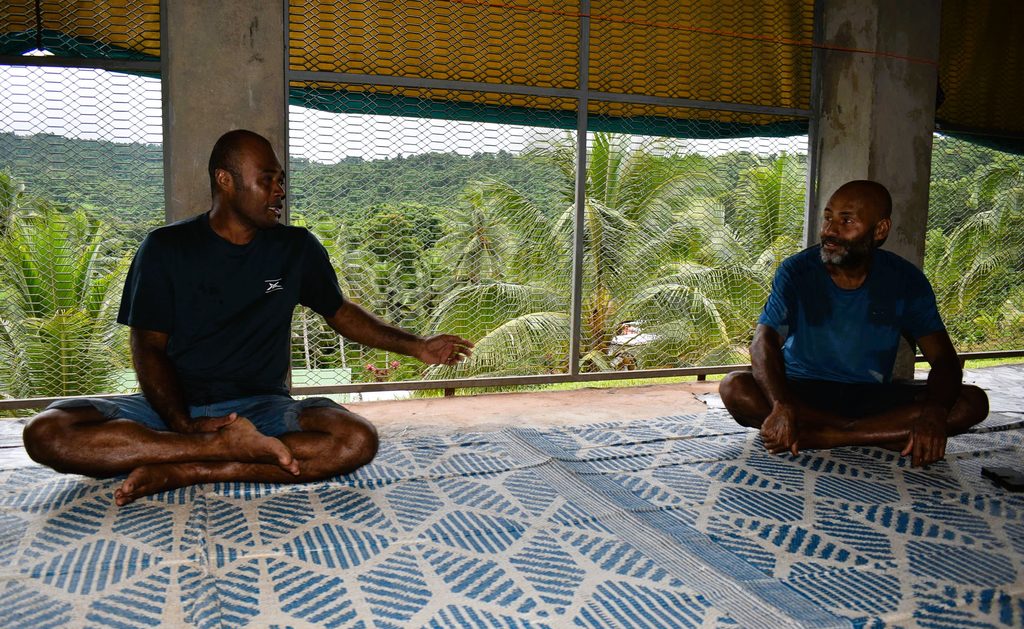
At the modest but spacious home of village elder and development advocate Timoci Nacola, we were welcomed barefoot and with quiet warmth. His household was busy yet unhurried, his marama ni vale was tending to the kitchen, children moving in and out of the living spaces, and the steady rhythm of village life was unfolding indoors.
But was is not long before the purpose of the visit changed direction. Without hesitation, Nacola insisted on taking a short journey uphill to meet a relative whose story, he said, speaks for the transformation of Bucalevu itself.
Farmer behind the concrete home
Perched just behind Nacola’s residence is a large concrete house, still showing signs of ongoing construction. Its owner, was still dressed in farm clothes and greeted us, the visitors, with an easy smile, his name is Semesa Kubau.
Kubau, 46, is one of a growing number of yaqona farmers in Ra whose livelihoods have been fundamentally reshaped by commercial agriculture. On average, he earns about $30,000 a week from yaqona sales alone.
His operation is built on scale, timing, and an acute understanding of demand. He sells approximately 1.2 tonnes of yaqona weekly at $25 per kilogram, often in green, undried form, allowing buyers to handle the drying process themselves in order to meet urgent market demand.
“There is no waiting anymore,” he explained.
“Demand is too high locally and overseas.”
Post-cyclone struggle to agricultural enterprise
Kubau’s journey into yaqona farming began in the aftermath of Severe Tropical Cyclone Winston in 2017.
At the time, he remained in the village, taking on casual work while trying to meet growing family and vanua obligations.
But rising costs and domestic pressures forced a rethink.
“I told my wife, ‘Au se lai tei yaqona mada’—I will go and plant yaqona,” he said.
Starting with just 100 yaqona plants, Kubau entered farming with what he described as “purpose and determination.” Within two years, he expanded his cultivation tenfold, reinvesting harvest returns into new planting cycles. Today, his farm includes 3,000 yaqona plants maturing over seven years, 2,000 over four years, and another 1,500 on a two-to-three-year cycle.
What began as subsistence has evolved into a structured agricultural enterprise.
A younger brother, initially seeking an alternative to formal education, joined him early on. His ambition, Kubau said, was simple, “He wanted to buy a car.” That aspiration became part of a wider family farming system that now sustains multiple livelihoods.
The economics of yaqona in Ra
The Bucalevu landscape is lush and steep, where yaqona and dalo thrive in rich volcanic soils. The terrain is beautiful but challenging, and farmers here are increasingly adapting both production and marketing strategies.
Kubau estimates weekly labour costs at around $3,000, supporting local villagers who earn wages through harvesting and transport. Before road access improved, yaqona had to be carried on horseback at significant expense—$60 per labourer per day, plus $30 per load by horse, sometimes requiring dozens of trips.
Public works improvements have since reduced costs and improved market access, a change Kubau credits partly to advocacy by Nacola and local development committees.
“The roads have saved us more than money,” he said.
“They have saved time and opened opportunity.”
Financial discipline and formal savings
Despite his earnings, Kubau has also prioritised formal savings and financial planning. When a team from the Fiji National Provident Fund visited Bucalevu for voluntary membership registration, he immediately joined.
On the spot, he deposited $20,000. A week later, he added a further $30,000, bringing his total retirement savings to $50,000 within two weeks.
At prevailing interest rates, 7 per cent in recent financial years and a historic 8.75 per cent in 2025, that sum alone would generate substantial passive returns.
According to Kubau, however, the decision was not about interest rates but discipline.
“You must secure your future,” he said.
“Farming is good, but you must plan beyond it.”
Agriculture as identity and independence
The yaqona sector is now one of Fiji’s most valuable agricultural industries, worth an estimated FJD $190 million annually when domestic consumption, informal trade, and exports are included. Export earnings alone exceed $53 million.
In Bucalevu, however, the significance is more personal.
Kubau speaks candidly about self-doubt among iTaukei youth and the tendency to undervalue rural opportunity. His experience, he argued, is proof that agriculture can deliver both dignity and independence.
“I can choose when to rest, when to work, when to travel,” he said.
“That is freedom.”
He has already built a six-bedroom home, costing around $150,000 so far, and plans to eventually step back from active farming at age 55, handing operations to his children.
Commercialisation and future expansion
Kubau’s business model reflects a broader shift in rural Ra where farmers are no longer passive suppliers but active market participants, negotiating prices and avoiding middlemen where possible.
He recalls a rare sale of a seven-year “vuni yaqona” plant to government for a ceremonial sevusevu presentation to the President of Wallis and Futuna. Though sold at $1,000, below market value, it reflects the cultural and ceremonial importance of yaqona alongside its commercial role.
Looking ahead, farmers in Bucalevu are preparing for deeper market integration through planned cooperative structures and the anticipated establishment of the Fiji Kava Council. The aim is to strengthen export competitiveness and formalise supply chains.
Nacola, who also chairs the local village development committee, believes the region is entering a new agricultural era.
“We are trying to build systems where farmers are not just growers, but business people,” he said.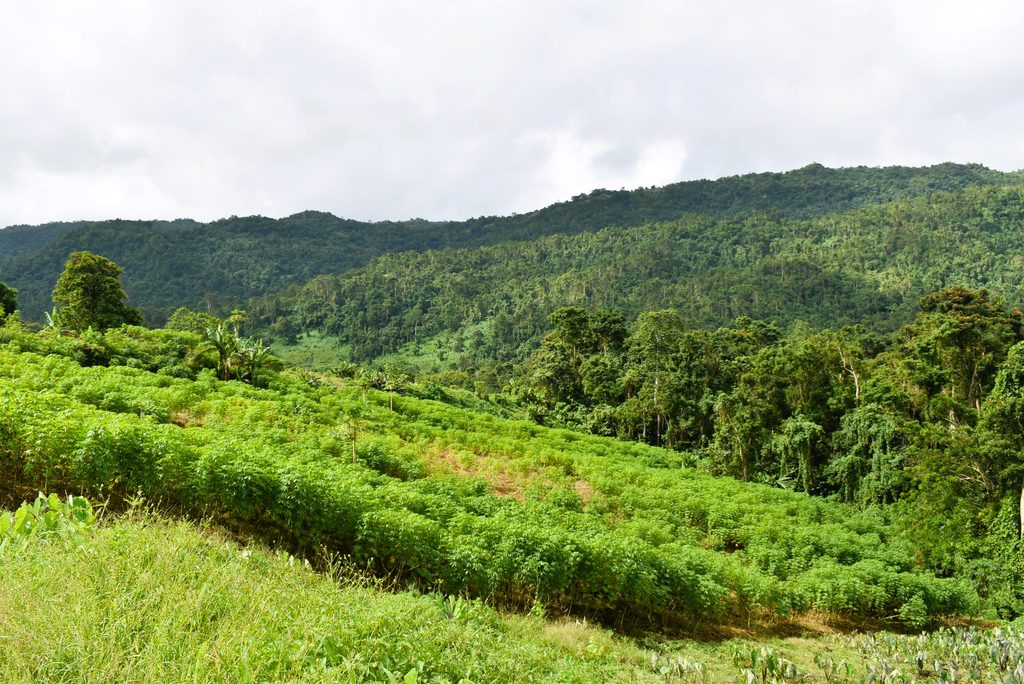
The lush, rolling hills of Bucalevu in Ra province provide a fertile backdrop for thriving yaqona and dalo farms, where steep terrain, rich soils, and persistent rural labour combine to fuel one of Fiji’s most dynamic and fast-growing agricultural economies. Picture: ALIFERETI SAKIASI
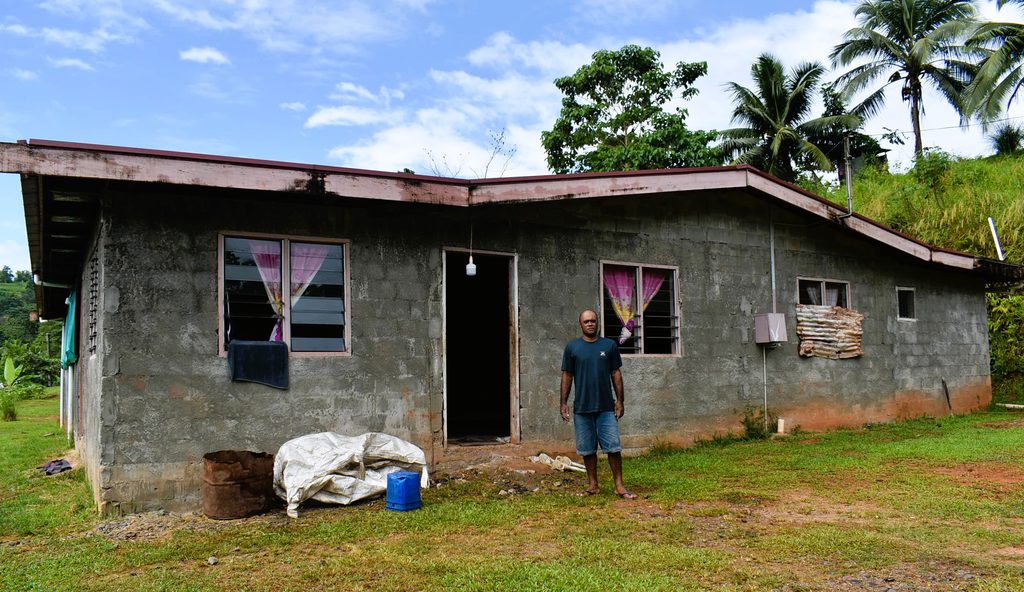
Semesa Kubau stands outside his partly completed $150,000 six-bedroom concrete home in Bucalevu, Ra, embodying the rise of commercial yaqona farming in Fiji’s interior.
Picture: ALIFERETI SAKIASI
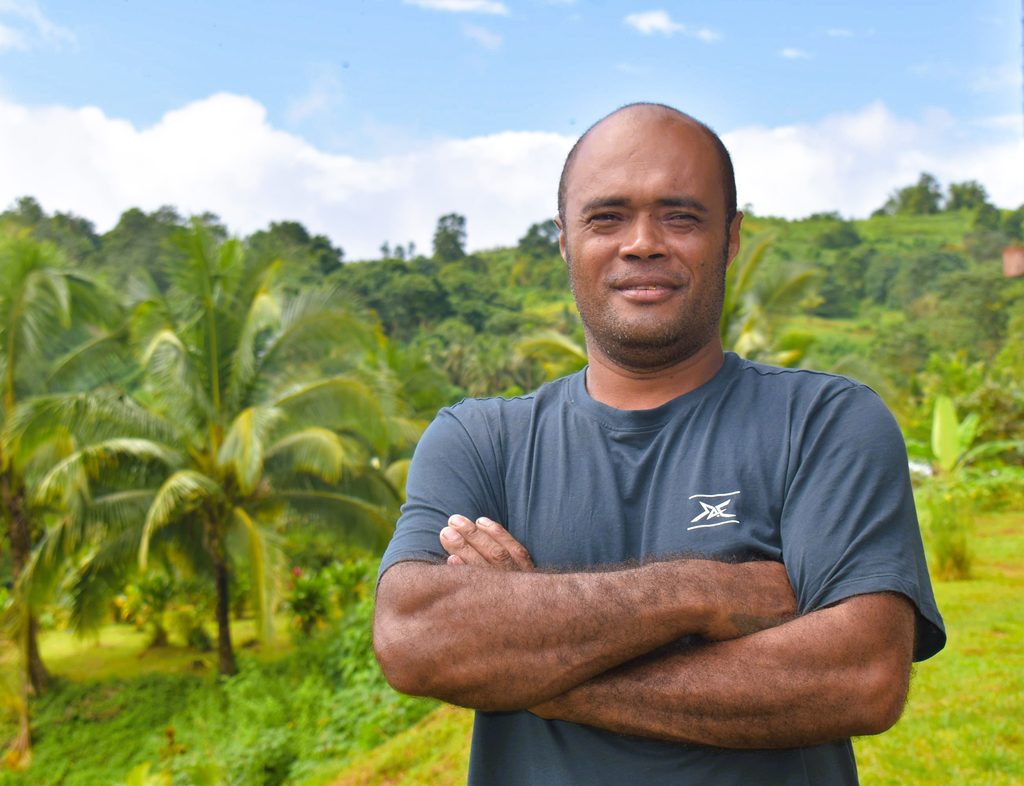
Semesa Kubou of Bucalevu village in Ra dropped out of school when he was in Form Four, today he earns roughly $30,000 a week as a yaqona farmer. Picture: ALIFERETI SAKIASI

