PLAYERS can earn selection in a Subrails Marama Cup squad, but are they getting enough game time to develop? Are coaching, officiating and competition structures giving them a fair opportunity to progress beyond the competition?
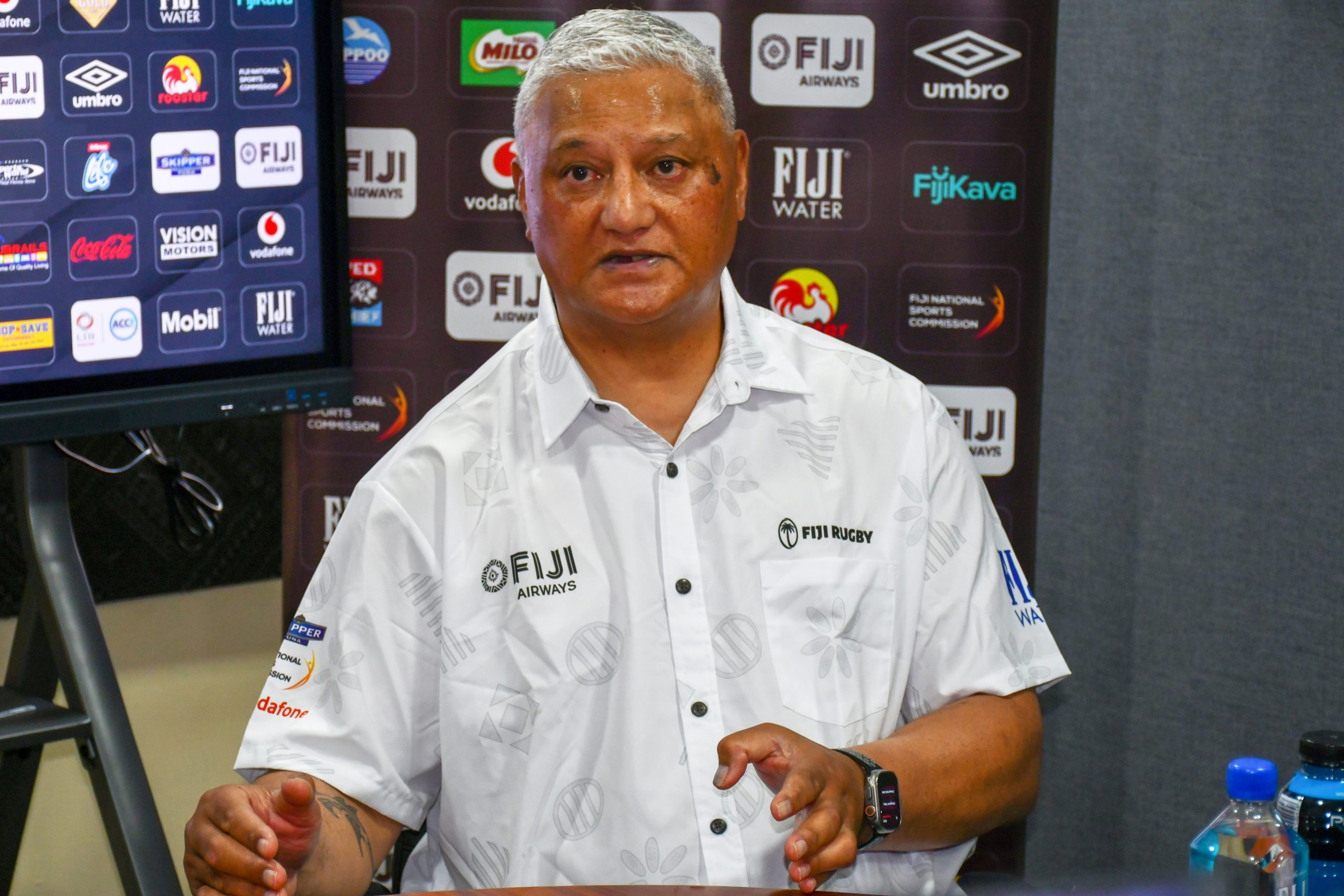
These are among the questions raised by Fiji Rugby Union Head of Women’s Rugby Fusi Feaunati as he assesses how the women’s game can be strengthened.
Feaunati shared his views after observing the Round 11 matches at Uprising Grounds last Saturday, looking beyond match results to the systems supporting women players.
“Fiji Rugby is not broken, Fiji Rugby is in a really good place,” Feaunati said.
Appointed to the role on October 9, Feaunati said his task was to build on existing strengths while identifying ways to provide greater opportunities for women.
“The beauty of what I’ve come in to do is to take what is really good here and enhance it to be able to give greater opportunities for our people,” he said.
His focus includes examining how coaching, officiating, team management and competition formats affect players’ development and progress.
“My role is specifically to have a look at the systems and the processes that are there to support our women in rugby,” he said.
One issue he highlighted was game time for players in large squads. He questioned whether all players were getting enough opportunities on the field to gain experience, develop their skills and contribute to their teams.
He also stressed the importance of applying the laws of the game consistently to ensure fair competition and allow players to express themselves.
Despite these questions, Feaunati said he was impressed by the standard of rugby, the organisation of the Marama Cup and the support provided to women players.
He also pointed to the natural athleticism of Fijian players and the country’s passion for rugby as strengths that could help advance the women’s game.
“There’s a lot there that’s going to be able to set the foundations for where you want to take and elevate Fijian women’s rugby for the future,” he said.
His challenge is to build on those foundations and strengthen the systems that help women develop and progress in rugby.