The Fiji Law Society has welcomed the Supreme Court’s opinion that recognises the 2013 Constitution as the supreme law of the land while addressing flaws in its amendment provisions.
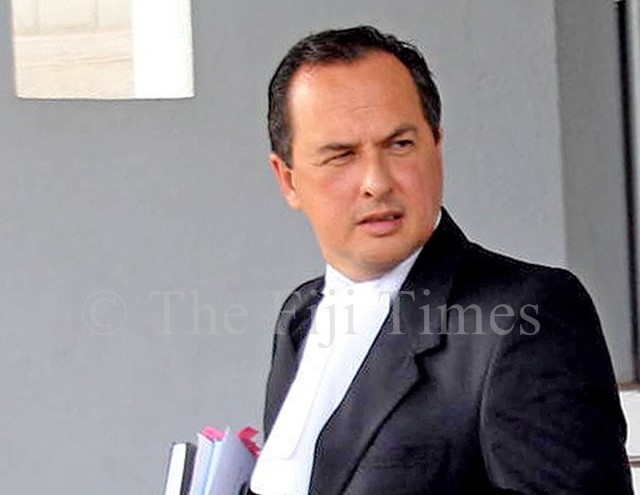
In a statement issued by President Wylie Clarke, the Society said it respected the Court’s binding opinion and acknowledged its significance in reaffirming democratic processes and constitutional legitimacy in Fiji.
“The Fiji Law Society respects the binding opinion of the Supreme Court. Going forward, any change to the Constitution requires the support of at least 37 out of 55 members of Parliament, and at least 50 percent of registered electors who vote at a referendum,” Mr Clarke said.
The Society had participated in the historic constitutional reference as an intervenor, making submissions during the hearings held between 18 and 20 August 2025.
“The Court rightly rejected the State’s submission that constitutional changes could be made by a simple majority in Parliament alone.”
“It affirmed that any future constitutional change must include a referendum of the people, one of the most authentic mechanisms for self-determination.”
While the Court upheld the 2013 Constitution, it ruled that parts of Chapter 11, which govern constitutional amendments, should not be legally recognised.
The Court held that the double supermajority requirements, 75% of MPs and 75% of all registered voters, were imposed without genuine consent and were practically unworkable.
These have now been read down to a two-thirds majority in Parliament and a simple majority in a referendum.
“This outcome means that all political leaders and members of parliament must work together on any future constitutional reform, with broad public engagement.”