Fiji could face worsening dry conditions and continued water shortages as a strong to very strong El Niño develops across the Pacific, with its effects expected to extend into 2027.
The warning comes from the Pacific Regional Climate Centre Network following the 19th Pacific Islands Climate and Ocean Forum (PICOF-19), held in Papua New Guinea last week.
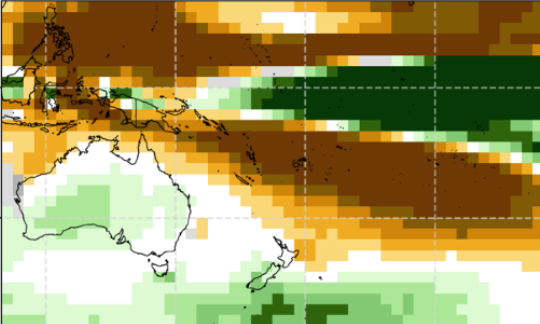
The regional outlook, issued on October 23, warns that many Pacific countries are likely to experience below-normal rainfall between November 2026 and January 2027.
Fiji is among the countries where water shortages have already been reported between May and October this year.
Pacific RCC Network Coordinator Sunny Seuseu warned that the developing El Niño could become one of the strongest on record.
“El Niño is already here and still getting stronger. A strong to very strong El Niño is likely from January to March 2027, and there is a high chance it will be the strongest since 1950,” Mr Seuseu said.
“It is expected to continue into March to May 2027.”
He warned that the current event was developing against a backdrop of rising global temperatures.
“This El Niño is also happening in a much warmer world than the major events of 1982/1983 and 1997/1998.”
“This means ocean and air temperatures are likely to be higher than in past El Niño events, and drought conditions may be made worse where rain is already low.”
The outlook also forecasts normal to above-normal tropical cyclone activity across the southwest Pacific during the November-to-April cyclone season.
While cyclone activity could be lower in parts of the western Pacific, the report warns that severe cyclones remain possible anywhere in the region.
It also notes that El Niño conditions can extend the cyclone season, with storms potentially forming as early as October or as late as May and June.
The regional assessment highlighted the impact of climate-related events on Pacific communities between May and October, including disruptions to water supplies, agriculture, fisheries, transport, infrastructure and health services.
More than 57 people were reported to have died in marine disasters across Papua New Guinea, Solomon Islands, Vanuatu and Fiji during that period.
Pacific Community Deputy Director for Disaster and Water Resilience Litea Biukoto urged governments and communities to take immediate precautions.
“Safeguard our sectors, assets and water resources. Now is the time to do that,” Ms Biukoto said.
“Don’t wait for the coming months and the situation to worsen before acting.”
She also called on communities to protect shared water supplies ahead of potentially worsening conditions.
“This is the time to think about communal water sources and ways to protect them.”
The Pacific RCC Network stressed that its findings were regional projections rather than country-specific forecasts.
People in Fiji have been advised to follow updates and warnings from the Fiji Meteorological Service and relevant disaster management authorities as the cyclone season approaches.