The World Bank has recommended that the Fiji Government gradually withdraw temporary financial assistance introduced to cushion households from rising costs once economic conditions improve.
In its Fiji Economic Update released yesterday, the World Bank said the Government should avoid introducing further broad-based relief measures and instead prioritise restoring fiscal sustainability.
“If energy prices and transport costs ease, gradually withdraw the temporary assistance introduced in response to the shock, while preserving core social-protection benefits for vulnerable households,” the report stated.
The World Bank stressed that the withdrawal of temporary support should be carefully managed to ensure vulnerable households continue receiving essential assistance.
It also urged the Government to avoid additional widespread relief measures.
“Avoid introducing further broad-based relief,” the report recommended.
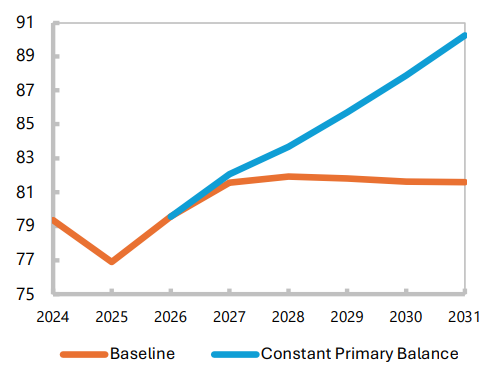
The Bank said Fiji’s immediate economic priority should be reducing fiscal pressures while protecting essential services and investments that support economic growth.
“Fiji’s immediate priority is to restore fiscal sustainability while protecting vulnerable households and growth-enhancing investment.”
It recommended that the Government establish a credible fiscal consolidation plan within the next 12 months, including a medium-term fiscal framework outlining measures to stabilise public debt and eventually reduce it.
The report also called for tighter controls on government expenditure, particularly recruitment, official travel and nonessential spending.
“Apply existing restrictions on recruitment, travel, and nonessential spending, and closely monitor implementation across ministries and public entities.”
The World Bank said stronger debt and liquidity management would also be necessary to address Fiji’s financial vulnerabilities.
It recommended managing near-term refinancing risks by spreading out domestic debt repayments and extending repayment periods where financially beneficial.
The report also suggested that the Reserve Bank of Fiji gradually resume issuing RBF Notes to absorb excess liquidity and improve the effectiveness of monetary policy.
However, it cautioned that such measures should be carefully coordinated with government debt management to avoid placing unnecessary pressure on borrowing costs.
The World Bank said longer-term reforms would also be needed to reduce Fiji’s dependence on imported energy, tourism and a limited labour supply.
Its recommendations place particular emphasis on reducing government spending pressures while maintaining social protection for households most vulnerable to economic shocks.