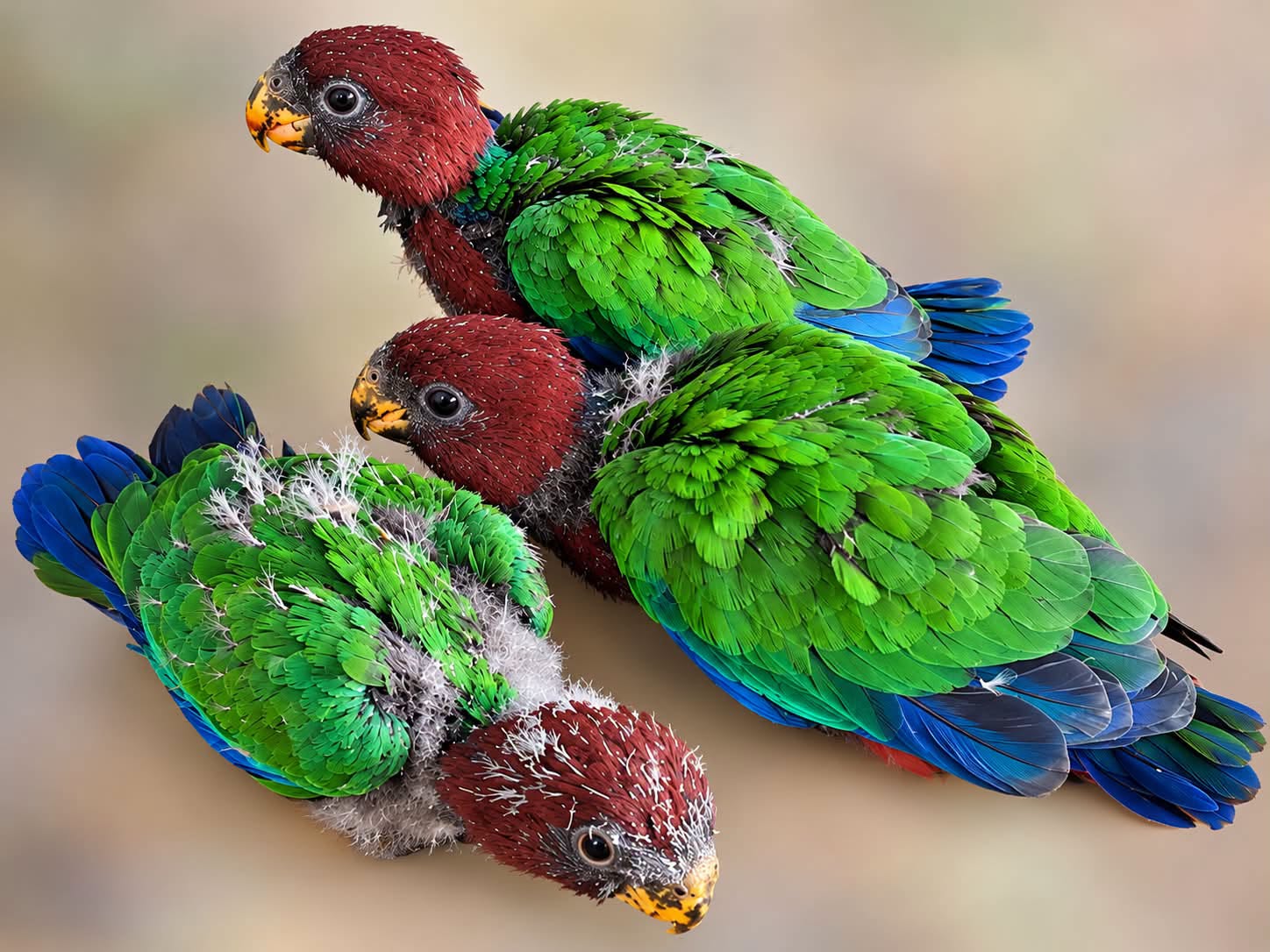
Members of the public caught selling or buying wild parrots in Fiji could face fines of up to $20,000 or four years’ imprisonment under the Endangered and Protected Species Act 2002.
The Ministry of Environment and Climate Change has issued a warning following reports of parrot chicks being removed from their nests in the wild and offered for sale to members of the public.
In a public notice, the Ministry stressed that all native parrots and lorikeets in Fiji are protected under the Act and the Convention on International Trade in Endangered Species (CITES).
These include the collared lory, commonly known as the kula, the masked, red and crimson shining-parrots, known as kaka, and the blue-crowned and red-throated lorikeets.
The Ministry urged members of the public not to purchase wild birds, even out of sympathy.
“Every purchase encourages more birds to be taken from the wild,” the Ministry warned.
Under Section 21 of the Act, individuals who unlawfully buy or sell wild parrots face a fine of $20,000 or four years’ imprisonment, while companies can be fined $100,000.
Those found illegally keeping, displaying or offering wild parrots for sale face fines of $5,000 or two years’ imprisonment under Section 23.
The Ministry said breeding protected wildlife in captivity without the required registration also carries penalties equivalent to those imposed for selling protected species.
Birds held illegally will be confiscated, while cages, vehicles and money used in committing offences may also be forfeited to the State.
The Ministry reminded the public that removing wild birds, their nests or eggs is also an offence under the Birds and Game Protection Act.
It urged anyone who witnesses protected wildlife being captured, kept or sold to report the matter to the Ministry.
Under Section 29 of the Endangered and Protected Species Act, a reward may be approved where information provided leads to a conviction.
The Ministry said protecting Fiji’s wildlife was a shared responsibility and called for public cooperation in preventing the illegal trade in native birds.