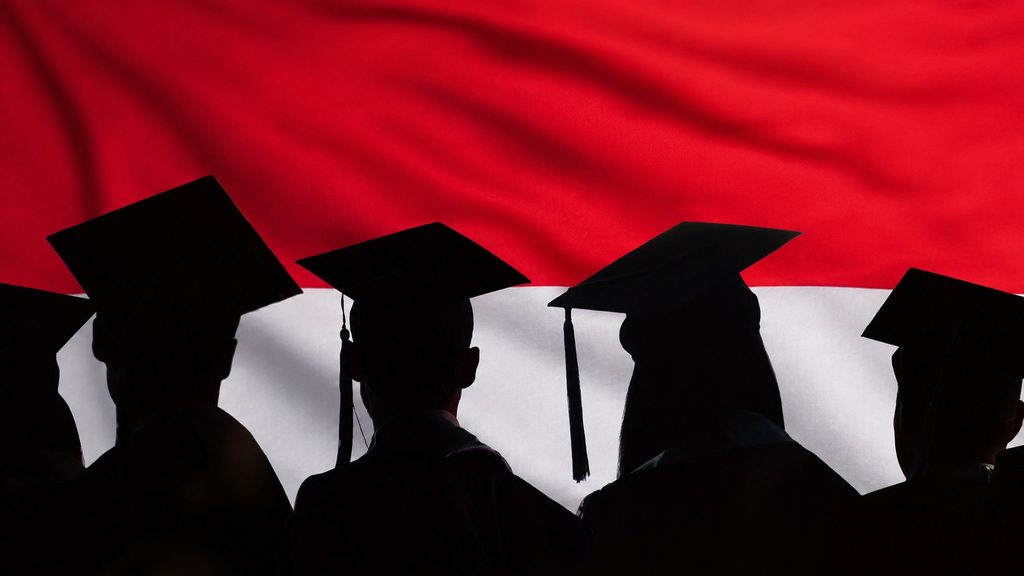
A graduation parade should be one of the safest and most hopeful public moments in any community.
It belongs to students, parents, teachers and families. It should be a day about achievement, education and the future.
That is why the reported violence that occurred in May in Kobakma, Mamberamo Tengah Regency, should concern everyone who cares about the welfare of young Papuans.
Whatever the political context, a celebration of learning should never end with students caught in confrontation, injury or fear.
But concern must not become a shortcut to judgment.
The easiest mistake in the Pacific is to turn one emotional incident into a political verdict before the facts are fully established.
The incident has been framed around police objections to the display of the Morning Star flag during a student graduation parade.
To some, the symbol represents identity, history or political aspiration. To others, including Indonesian authorities, it is associated with separatist politics and challenges to the constitutional order.
Those competing interpretations are precisely why schools and student events should be approached with care.
When political symbols become the focus of educational celebrations, there is a risk that students become participants in disputes that extend far beyond the classroom.
Accountability requires facts
This does not mean any action by authorities should be accepted without question.
If people were injured, the incident must be investigated thoroughly and transparently.
If force was used, questions of necessity, proportionality and accountability must be answered.
Public order is important, but so too is public confidence that law enforcement acts with restraint and professionalism, particularly when young people are involved.
The incident should not be reduced to a simple story of either state oppression or public provocation.
Available reporting suggests a more complex sequence of events involving attempts to stop the display of a contested symbol, tensions within the crowd, reports of projectiles being thrown, injuries on both sides and unrest that later spread into the community.
Understanding what happened requires examining the entire chain of events rather than only its most dramatic moments.
Students must come first
Three issues should be considered separately.
The first is the welfare of students.
Their safety should be the highest priority.
A graduation celebration should not become a stage where young people are exposed to confrontation, political rivalry or violence.
Students deserve protection not only from physical harm but also from circumstances that place them at the centre of disputes beyond their control.
The second is public order.
When violence breaks out, communities suffer. Shopkeepers, families, teachers, bystanders and students themselves all bear the consequences.
Authorities have a responsibility to restore calm, but they must do so in a manner that is lawful, measured and proportionate.
The third is the broader political context.
Debates over Papua’s future are real and deeply felt by many people. However, those debates should not overshadow the immediate question raised by this incident: whether students were adequately protected and whether all parties acted responsibly.
Balancing rights and responsibility
A mature Pacific response should be capable of holding several principles together at once.
It should support a fair investigation while rejecting violence.
It should recognise freedom of expression while acknowledging the need to prevent public disorder.
It should expect accountability from authorities while encouraging restraint from all parties involved.
Questions about whether force was proportionate are legitimate.
So too are questions about how a graduation celebration became entangled in a broader political dispute.
Neither should be ignored.
Keeping students out of the front line
Fiji and the wider Pacific should approach incidents such as this with care, empathy and a commitment to facts.
The focus should not be on scoring political points but on understanding how students came to be caught in a confrontation that should never have occurred at a school celebration.
If students were harmed, their cases must be taken seriously.
If police procedures were inadequate, accountability should follow.
If individuals or groups contributed to escalating tensions, that too should be examined.
A serious response does not begin with assumptions. It begins with evidence.
For the Pacific, the guiding principle should be ensuring that children and students are not placed on the front line of political conflict.
Their achievements should not be overshadowed by confrontation, force or competing political narratives.
The incident in Kobakma should be investigated carefully and impartially.
Most importantly, every lesson drawn from it should begin with the welfare of the students who were meant to be celebrating their future.
- Sources consulted for this commentary include RNZ Pacific, Asia Pacific Report, Human Rights Monitor, Human Rights Watch, Reuters reporting on United Nations human rights findings, and publicly available international standards on policing, accountability and the use of force. The commentary is informed by these sources but represents an independent analysis focused on student welfare, public safety and the need for proportionate and accountable responses to public unrest.
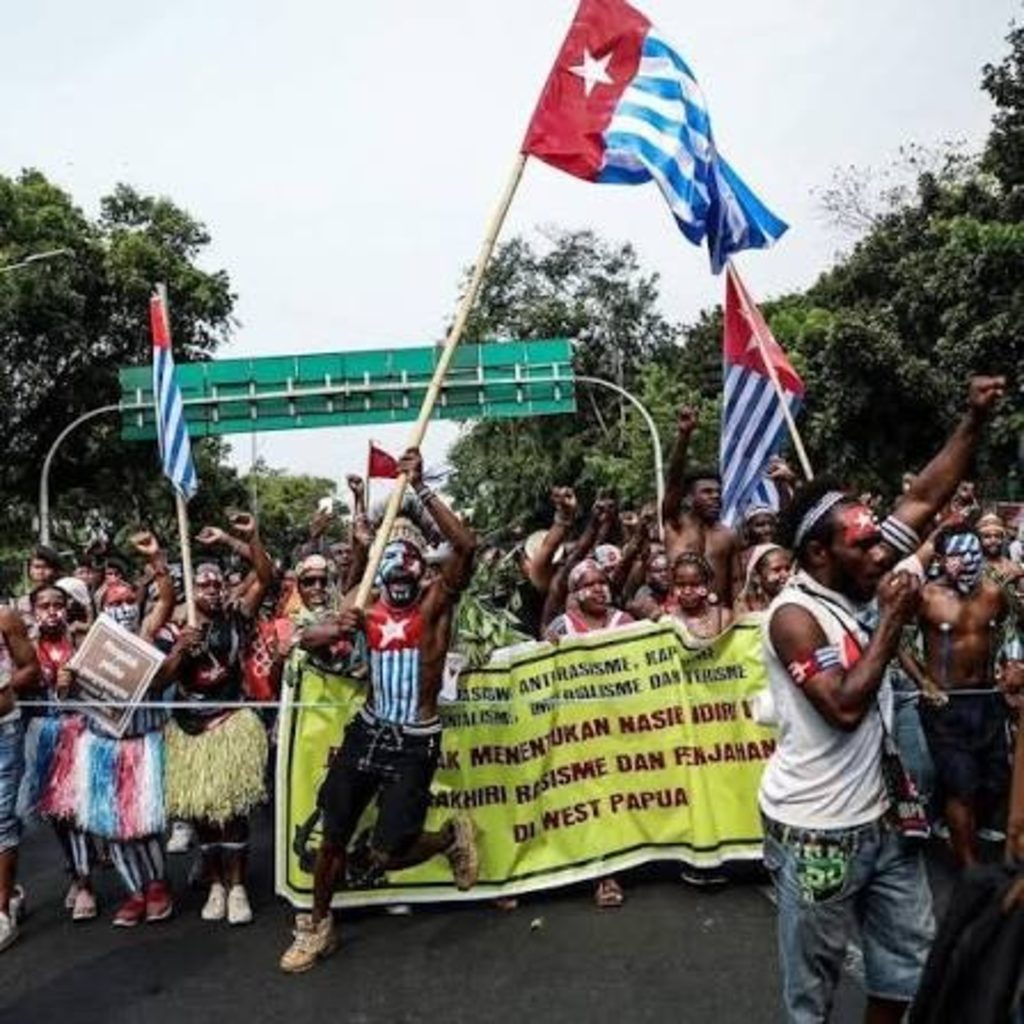
When violence breaks out, communities suffer. Shopkeepers, families, teachers, bystanders and students themselves all bear the consequences. Picture: ASIAPACIFICREPORT.NZ