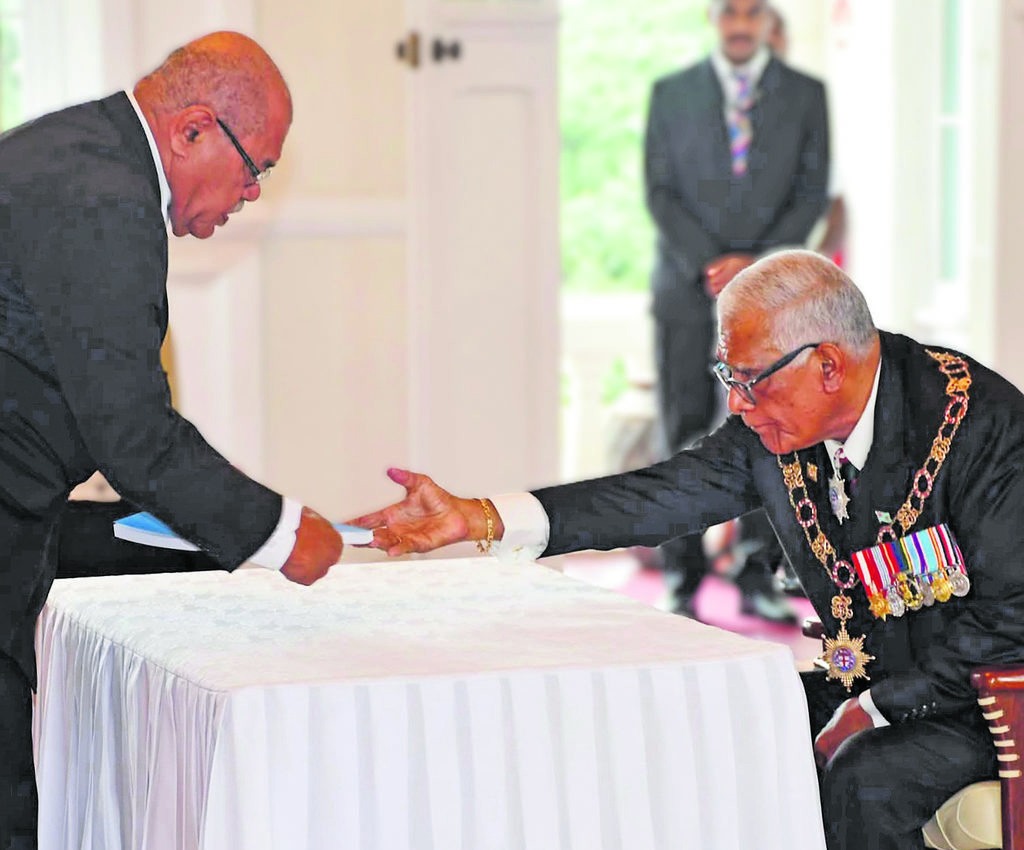
MORE than half a century ago, Sir Moti Tikaram took on a new constitutional role with a straightforward purpose — to give ordinary people somewhere to turn when they felt the machinery of government had failed them.
In March 1972, The Fiji Times reported the appointment of Justice Tikaram as Fiji’s first Ombudsman.
His appointment came as Fiji moved towards independence and established an institution designed to provide citizens with a way to challenge poor administration and unfair treatment by government.
Now, 54 years later, the office is set to return to Fiji’s constitutional framework.
But there is a significant difference between the Constitution Review Commission’s (CRC) proposed model and the version put forward by Government — and it could shape how powerful and independent the Ombudsman ultimately becomes.
Two different approachesThe CRC draft constitution, submitted with its report in August, gave the Ombudsman a detailed constitutional mandate.
The Government’s Constitution (Amendment) Bill 2026 takes a much shorter approach.
Section 196 establishes the office, sets out the appointment process and requires the Ombudsman to have a record of high integrity and extensive experience in public sector administration or the law and justice sector.
Then comes subsection four:
“The office of the Ombudsman has the functions prescribed by written law.”
That sentence marks the key difference.
Under the CRC draft, the constitution itself would have defined the Ombudsman’s core responsibilities. Under the Government version, those responsibilities will be determined through future legislation.
This does not mean the Ombudsman will necessarily have limited powers. Parliament could enact legislation giving the office substantial investigative and oversight authority.
The distinction, however, is where those powers are protected. Constitutional provisions generally provide stronger and more enduring protection than ordinary legislation.
What the CRC proposed
The CRC went well beyond simply creating the office.
Its draft described the Ombudsman as an accessible forum for resolving complaints about failures in administration and gave it responsibility for promoting respectful, effective, impartial, fair and equitable public service and executive and administrative justice.
It also included a public education role, requiring consultation with and education of citizens and civil society on public service principles and administrative justice.
The CRC proposed giving the Ombudsman oversight of a process allowing people to access official information and documents held by government and its agencies.
It also envisaged involvement in the appointment process for the Constitutional Offices Commission Appointment Committee and allowed the Ombudsman to make recommendations to State bodies on matters within its scope, including existing or proposed laws.
Most significantly, the draft constitutionally protected the Ombudsman’s ability to receive and investigate complaints and to act on its own initiative.
Its proposed jurisdiction covered alleged improper or prejudicial acts and omissions in public administration, abuse of power, unfair treatment, manifest injustice and unlawful, oppressive, unfair or unresponsive official conduct.
It could also investigate complaints involving independent commissions and offices, alleged breaches of the code of conduct by State officers, and matters relating to access to and service delivery by the courts and public service.
These were not simply administrative details. They were proposed as constitutional responsibilities.
Government’s version
The Government provision is considerably leaner.
It retains the establishment of the office and the appointment of the Ombudsman by the President on the advice of the Constitutional Offices Commission, after consultation with the Public Service Commission.
It also retains the integrity and experience requirements.
What it does not retain is the CRC’s detailed constitutional list of functions and investigative powers.
Instead, those will be prescribed by written law.
That creates a fundamental constitutional question: should the powers of an institution whose purpose is to hold government to account be protected by the constitution itself, or should Parliament determine them through ordinary legislation?
The difference becomes particularly clear when examining the CRC’s proposed investigative powers.
The CRC draft allowed the Ombudsman to act following a complaint, a request from a member or committee of Parliament, or on its own initiative.
Following an investigation, it could ask a State body what action it intended to take. If the response or action was inadequate, the Ombudsman could make a further report to Parliament.
None of these details appears in the Government’s draft.
Whether they return in subsequent legislation, and in what form, will therefore be a matter for Parliament.
Why it matters
The CRC’s approach appears to have been based on the principle that accountability institutions should have their fundamental functions protected from ordinary political change.
That concern is reflected elsewhere in its recommendations, including proposed changes to the Constitutional Offices Commission aimed at reducing political influence over appointments and oversight.
The Commission also proposed an enforceable constitutional Code of Conduct for State office holders, with the Ombudsman responsible for its independent enforcement.
Government, however, has made clear that its draft represents its own position after considering the CRC report and recommendations.
Cabinet said its subcommittee examined the Commission’s proposals and their legal, policy, governance, financial and administrative implications before endorsing the Government’s position.
The difference, therefore, appears deliberate.
The Government is not removing the Ombudsman from the constitutional structure. It is establishing the office while leaving much of its operational authority to legislation.
That shifts the balance between constitutional protection and parliamentary discretion.
Sir Moti’s lesson
The return of the Ombudsman inevitably brings Sir Moti Tikaram’s legacy back into focus.
His experience showed that creating the office was only the first step.
It also needed sufficient jurisdiction, independence and public credibility to hold the State to account.
A lesson that remains relevant today.
The Government draft gives the Ombudsman constitutional status but does not constitutionally define the scope of its powers.
The CRC draft would have placed the office’s core responsibilities and investigative authority directly in the constitution.
Whether the Government’s approach ultimately strengthens or weakens accountability will therefore depend heavily on the legislation that follows.
For now, Fiji is getting its Ombudsman back.
But how strong that watchdog becomes will be determined not only by the constitution, but by what Parliament chooses to give it through written law.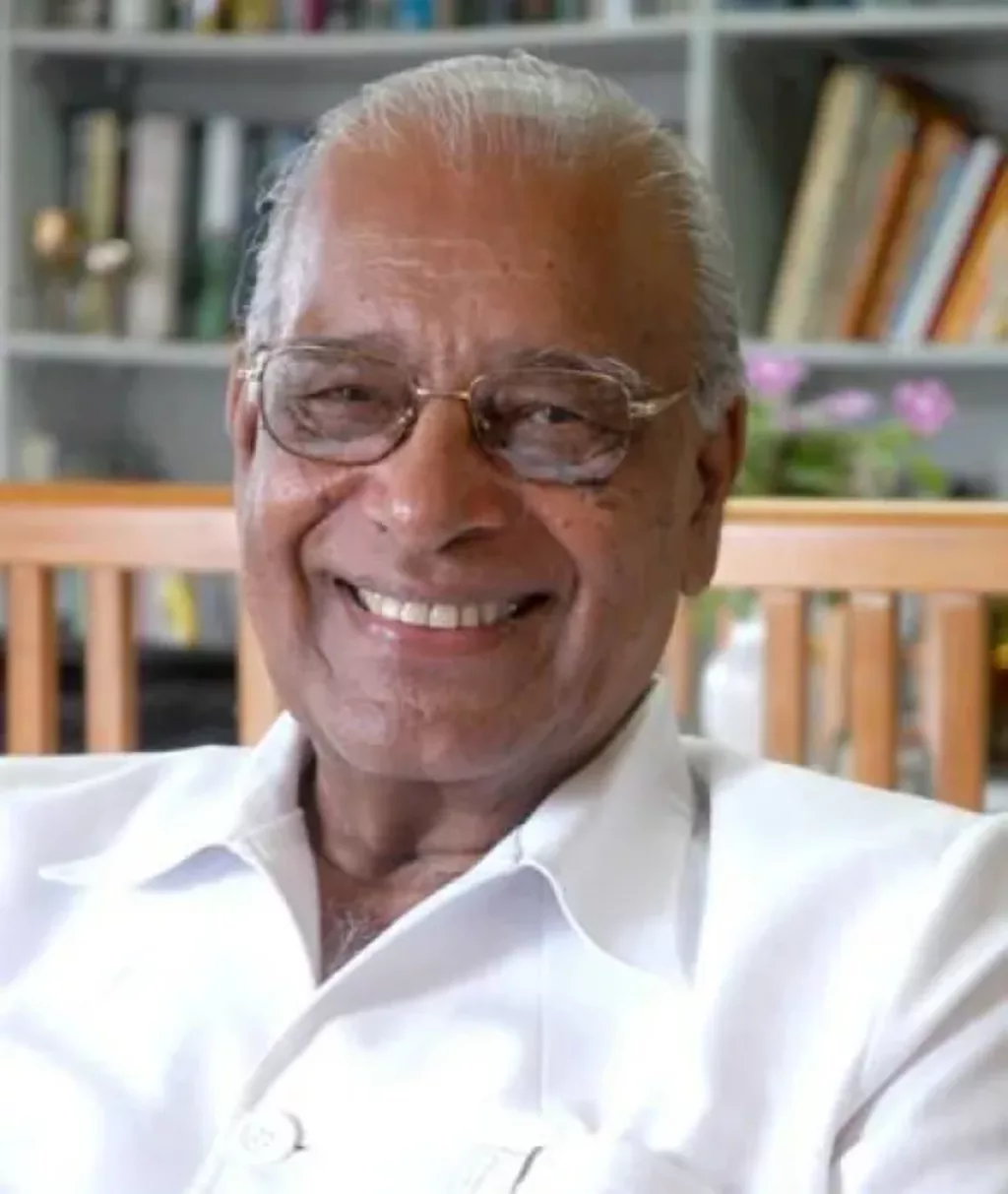
Fiji’s first Ombudsman, the late Justice Sir Moti
Tikaram. Picture: FIJI FA