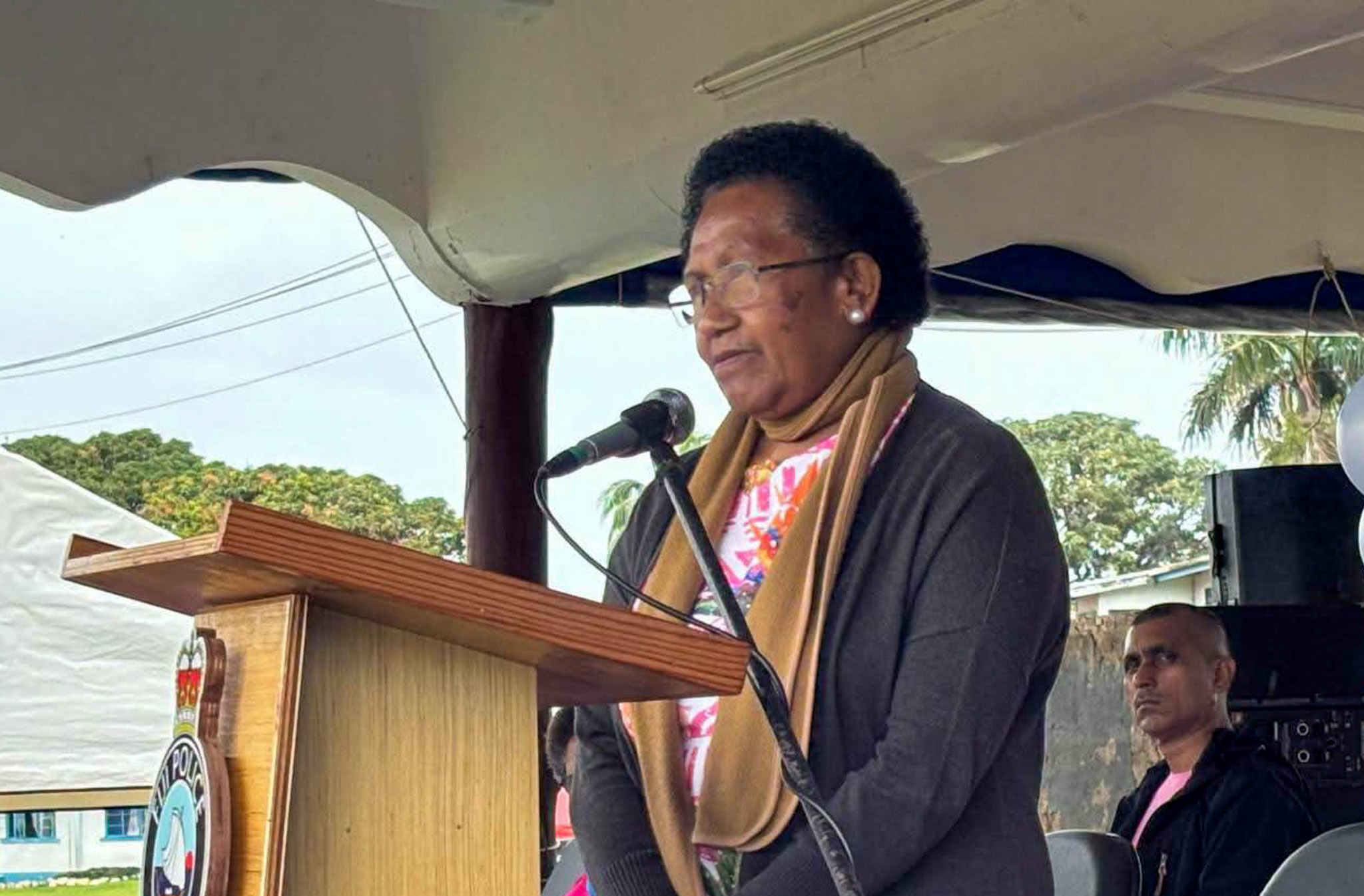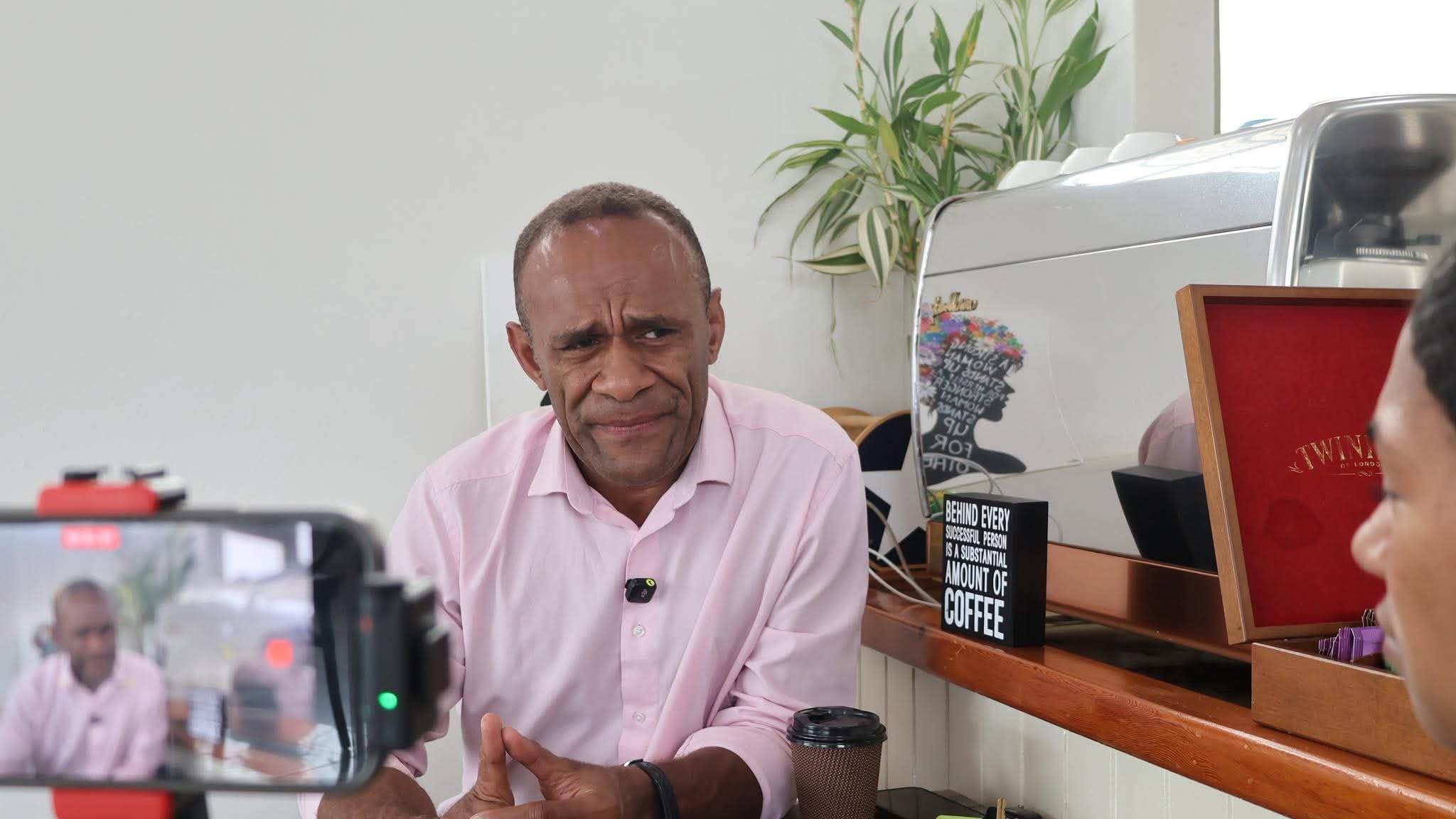
OVER a span of three decades, Winston Peters has made a career out of being the man New Zealand’s major political parties need when the numbers do not add up.
His New Zealand First party has repeatedly found itself in a position to help decide who becomes prime minister, turning a relatively small share of the vote into considerable political influence. But as New Zealand heads towards its November 7 general election, a new contender is attracting attention. Her name is Qiulae Wong, leader of the Opportunity Party, and she is being tipped as a potential new kingmaker who could challenge Mr Peters’ long-standing influence.
Ms Wong was born in Fiji before moving to New Zealand as a child. But before declaring the end of the Peters era, it is worth understanding how New Zealand’s political system created the kingmaker in the first place.
Numbers matter more
New Zealand’s political landscape changed significantly in 1996, when it held its first general election under the Mixed-Member Proportional (MMP) system.
Under MMP, voters cast two votes: one for their local electorate representative and another for the political party they want to support. The party vote largely determines how many seats each party receives in Parliament. Unlike a system that tends to reward the largest party with a parliamentary majority, MMP allows smaller parties to win seats and influence government formation.
That means winning the most votes does not necessarily guarantee the right to govern alone. Parties often have to negotiate with one another to secure enough parliamentary support.
The 1996 election was the perfect example. National won 44 seats and Labour 37, but neither had a majority. New Zealand First, led by Peters, won 17 seats and held the balance of power.
After weeks of negotiations, Peters chose to form a coalition with National. His decision helped keep the party in government and established him as a major player in the new political system.
Since then, coalition negotiations have become a familiar part of New Zealand elections. Of the 10 elections held under MMP, only the 2020 election delivered an outright majority to a single party.
The man who keeps coming back
Winston Peters’ political strength has never depended solely on how many seats New Zealand First wins. It has also rested on his ability to negotiate with both major parties.
In 1996, he joined National.
In 2017, he chose Labour, helping Jacinda Ardern form a government despite National having won more seats than Labour. In 2023, Peters returned to government through a coalition with National and ACT.
That ability to move between competing political camps has helped sustain his reputation as a kingmaker.
When neither major party can govern alone, his support can become extremely valuable. Of course, Peters has not been the only smaller-party leader to influence government formation.
Other parties have played important roles in coalition negotiations and support agreements. But few have become as closely associated with the kingmaker label as he has.
Now, after decades in which Peters has been a familiar face at the centre of government negotiations, Wong is emerging as a potential challenger.
Enter the dragon slayer
Wong took over as Opportunity Party leader in November 2025. The party has contested three previous general elections without entering Parliament, receiving 2.6 per cent of the vote in 2017, 1.5 per cent in 2020 and 2.2 per cent in 2023.
Its latest polling performance, however, has put it firmly in the conversation. A 1News–Verian poll reported on October 14 placed Opportunity on eight per cent, which would translate to about 10 MPs if reflected in an election result.
That would be a remarkable turnaround for a party that has struggled to break through. It would also put Wong in a position to influence the formation of the next government, depending on how the rest of the vote is distributed.
The New Zealand Herald has used the phrase “dragon slayer” in coverage of the potential challenge to Peters.
The description captures the drama of a new political figure threatening an established powerbroker.
But Wong’s task is not simply to defeat Peters. She first needs to get Opportunity into Parliament. Under MMP, a party generally needs at least five per cent of the party vote or to win an electorate seat to qualify for representation. If Opportunity crosses that threshold, its seats could become crucial in a closely divided Parliament.
Wong has promoted policies around housing, economic reform and environmental action, including a proposed land value tax. Her pitch is that voters should have an alternative to the established parties.
Whether voters agree in sufficient numbers will be decided at the ballot box, not in the opinion polls.
The catch in becoming kingmaker
Even if opportunity enters Parliament with a respectable number of seats, becoming kingmaker is not automatic.
The arithmetic matters. So does the willingness of other parties to work with Wong.
National leader Christopher Luxon has ruled out working with Opportunity, citing differences over its tax policies. Labour leader Chris Hipkins has ruled out working with New Zealand First, while Peters has drawn his own boundaries around possible political partnerships.
These positions could make the post-election negotiations particularly interesting.
If National and ACT cannot secure enough seats, and Labour cannot assemble a viable alternative, Opportunity could become pivotal. But if one major bloc can form a government without Wong, her influence would be limited.
There is also a difference between holding the balance of power and having a genuine choice over who becomes prime minister. A party may be essential to a governing majority but still have only one realistic coalition option. So, while Wong could challenge Peters’ position, she would need more than a strong polling result to match the influence he has accumulated over nearly three decades.
Why Fiji should watch
For Fijian students of political science, New Zealand’s experience offers a useful lesson about the relationship between electoral systems and political power. MMP has given smaller parties a genuine opportunity to influence government formation. It has also made negotiations between parties an important part of the democratic process.
That does not mean Fiji should simply copy New Zealand’s model.
The two countries have different political histories, constitutional arrangements and electoral systems.
But the New Zealand experience shows how the rules governing elections can determine whether smaller parties remain on the sidelines or become central to government formation.
The November election, for Mr Peters, is another test of a political strategy that has served him since 1996. To Wong, it is a chance to turn growing support into real parliamentary influence.
Will she become New Zealand’s new kingmaker? That remains to be seen.
But if Opportunity wins enough seats to determine who can form a government, New Zealand could be about to witness a changing of the guard.
The possibility that a Fiji-born politician could help decide the next government of New Zealand is a story worth watching.
n The analysis draws on reporting by Reuters, 1News, and interest.co.nz on Qiulae Wong, the Opportunity Party and New Zealand’s 2026 election campaign; New Zealand’s Electoral Commission’s explanation of the introduction of the Mixed-Member Proportional (MMP) electoral system; and the New Zealand Parliament’s research on government formation and coalition arrangements following MMP elections. Contemporary polling and coalition negotiations were cross-referenced with 1News’ October 13, 2026 report on Opportunity’s projected 10 MPs and its potential kingmaker role.