FARMERS in the North are losing livestock and income because of the long dry spell affecting the area.
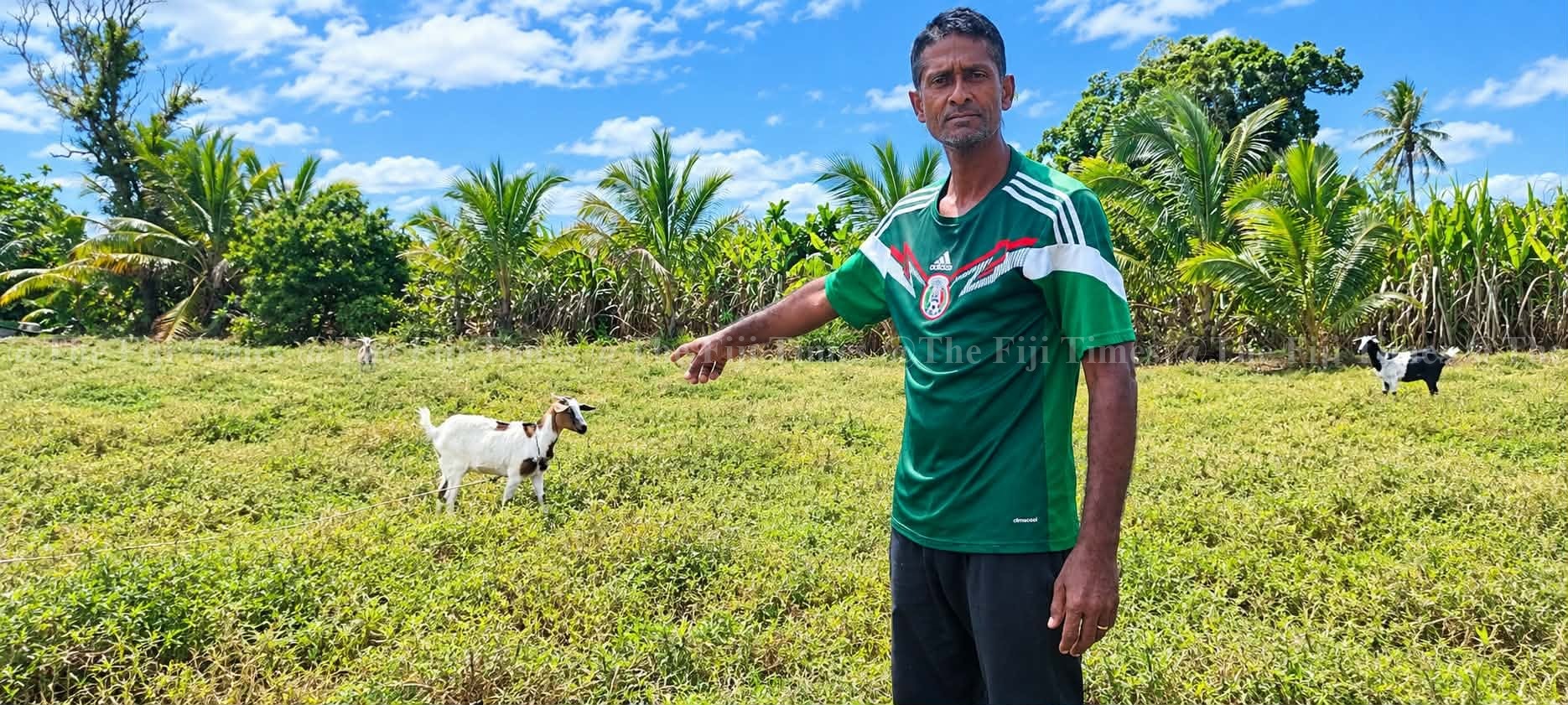
In one case, a farmer from Vunivacea, Labasa, Kalin Hussein, said some of his cattle had died because there was not enough water.
Mr Hussein said the problem was worse during the hot and dry season because cattle needed more water and were feeding on dry grass.
“Some of them died because of the lack of water,” he said.
He said cattle drank less water during the rainy season, but their water needs increased during the dry season.
“During this dry season, they want more water because they are eating all the dry grass.”
The lack of water has also made it difficult for farmers to grow crops and maintain their animals.
“Farmers have to be careful with the little water they have because it is needed for both their families and livestock.”
He said the community had been facing the water problem for many years, and a permanent solution was needed.
The loss of livestock has added pressure on families who depend on farming to earn an income.
“Farmers need a reliable water supply so they can continue looking after their animals and growing food.”
He said the dry conditions had shown how important a proper water system was for the community.
The current prolonged dry spell is consistent with El Niño-like conditions affecting parts of the country, placing continued pressure on water sources, crop yields and livestock survival.
Meteorological patterns linked to El Niño are also expected to sustain below-average rainfall in affected regions.
Questions sent to acting commissioner Apolosi Lewaqai on September 2 remained unanswered when this edition went to press.