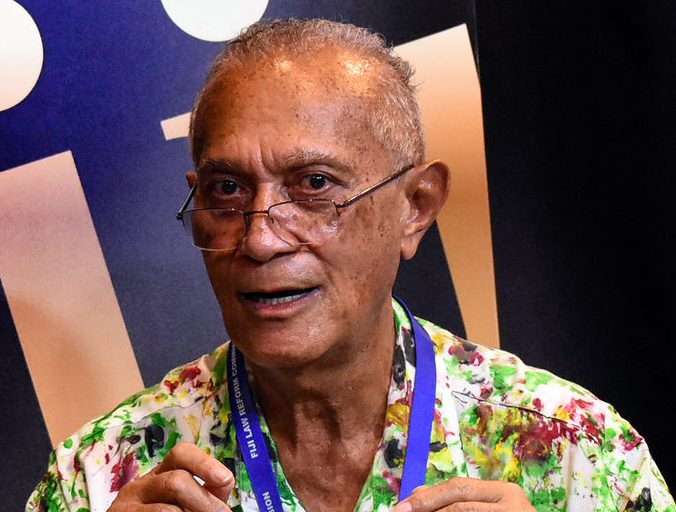
ELECTORAL reform must go beyond making elections administratively effective and ensure every eligible citizen can participate freely, safely and equally, Fiji Women’s Rights Movement executive director Nalini Singh says.
Appearing before the Parliamentary Standing Committee on Justice, Law and Human Rights yesterday, Singh said electoral laws must identify and remove barriers that prevent meaningful political participation.
“Our position is that electoral reform should do more than make elections administratively effective,” Ms Singh said.
“It should help create an electoral system where every eligible citizen can participate freely, safely, equally, and meaningfully, and where barriers to political participation are identified and addressed.”
On the continuing eligibility of candidates under Bill 29, Ms Singh called for clear procedures to prevent arbitrary or selective decisions.
She said candidates should be notified of eligibility concerns, given a reasonable opportunity to respond, and provided with reasons for decisions and an avenue for review or appeal.
Ms Singh also welcomed proposed provisions allowing the use of assistive learning or speaking devices, saying the right to vote must be meaningful in practice for persons with disabilities.
On the proposed reduction of campaigning restrictions around polling stations from 300 metres to 100 metres, she warned that distance alone would not guarantee voter safety.
“Women candidates and political participants can experience gender-based harassment, intimidation and abuse during political activity.
“So therefore we recommend that you ensure that there are clear restrictions on intimidation, harassment and coercion around polling places.
“We require polling officials to monitor the 100 metre area effectively, whether it’s 100 metres or 300 metres. The risks are still the same.”