HIGH operating costs and difficulties accessing finance remain major challenges for businesses trying to sell products and services overseas.
The Pacific Islands Export Survey 2026 – facilitated by Pacific Trade Invest (PTI) as the trade and investment promotion network of the Pacific Islands Forum Secretariat — found high operating costs were the leading barrier for non-tourism exporters, identified by 48 per cent of respondents.
Access to finance or capital followed at 38 per cent, while supply chain and export logistics challenges stood at 36 per cent.
Fijian businesses represented the largest share of respondents from any Pacific country, making up 32 per cent of the total survey sample.
The report found that high operating costs remained the dominant barrier for non-tourism exporters, noting that access to finance followed closely behind.
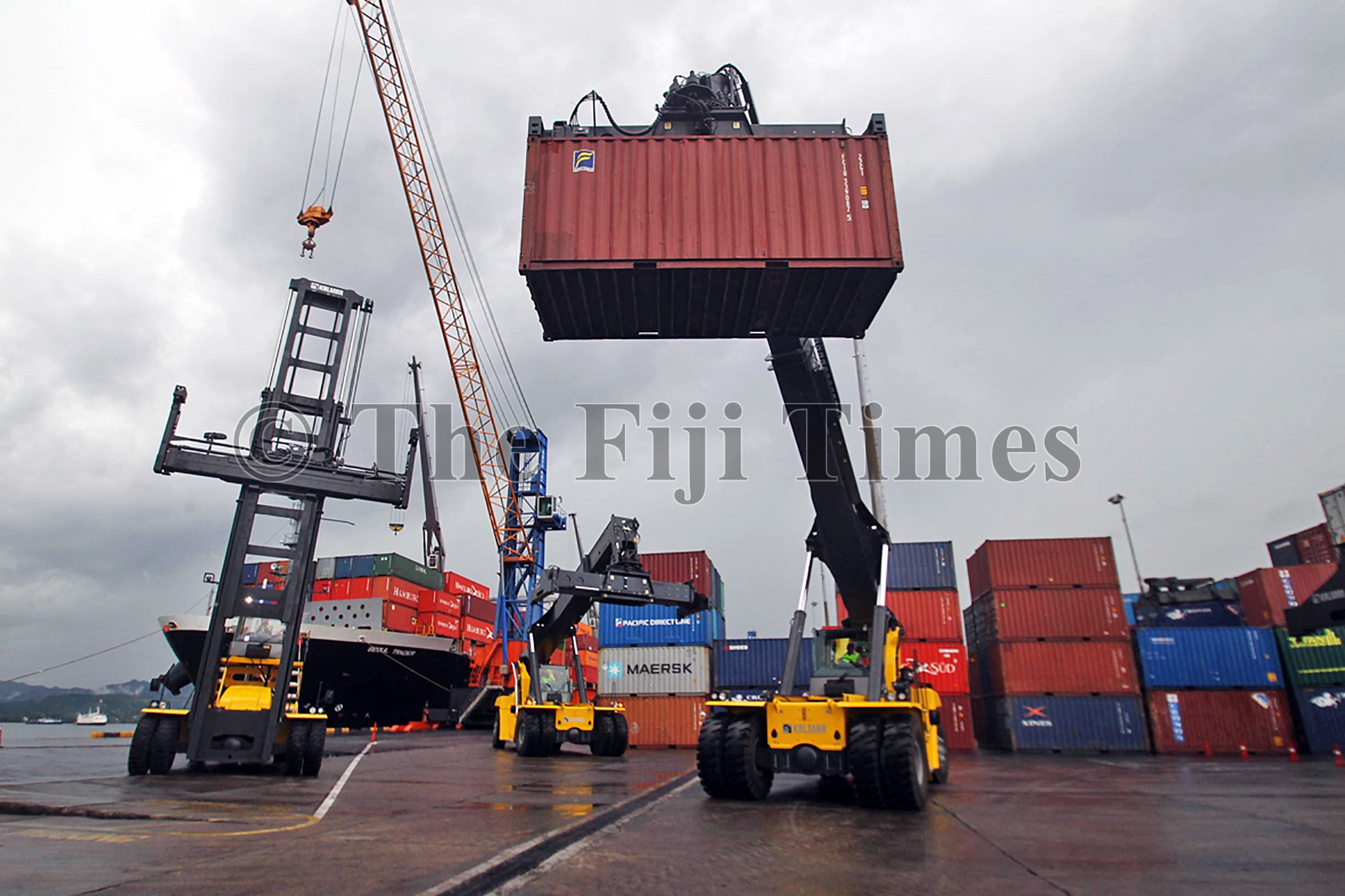
There was, however, an improvement in logistics as supply chain and export challenges fell drastically from 63 per cent in 2024 to 36 per cent this year.
The report described this as a sign that some of the operational fixes of recent years were starting to pay off.
International competition and pricing pressure were identified by 32 per cent of exporters, while 31 per cent pointed to a lack of marketing or online sales capability.
The report showed that those challenges differed between sectors, with agriculture and manufacturing businesses identifying operating costs and finance as their two biggest barriers.
For agriculture exporters, logistics challenges fell sharply from 67 per cent to 36 per cent, while manufacturing businesses saw a drop from 73 per cent to 42 per cent.
Tourism businesses faced a different problem altogether, where limited air connectivity and high flight costs were identified as the leading barrier to servicing international tourists at 44 per cent.
High operating costs followed at 40 per cent and access to finance at 33 per cent.
The report stated that showed how dependent tourism remained on aviation infrastructure outside its own control.