
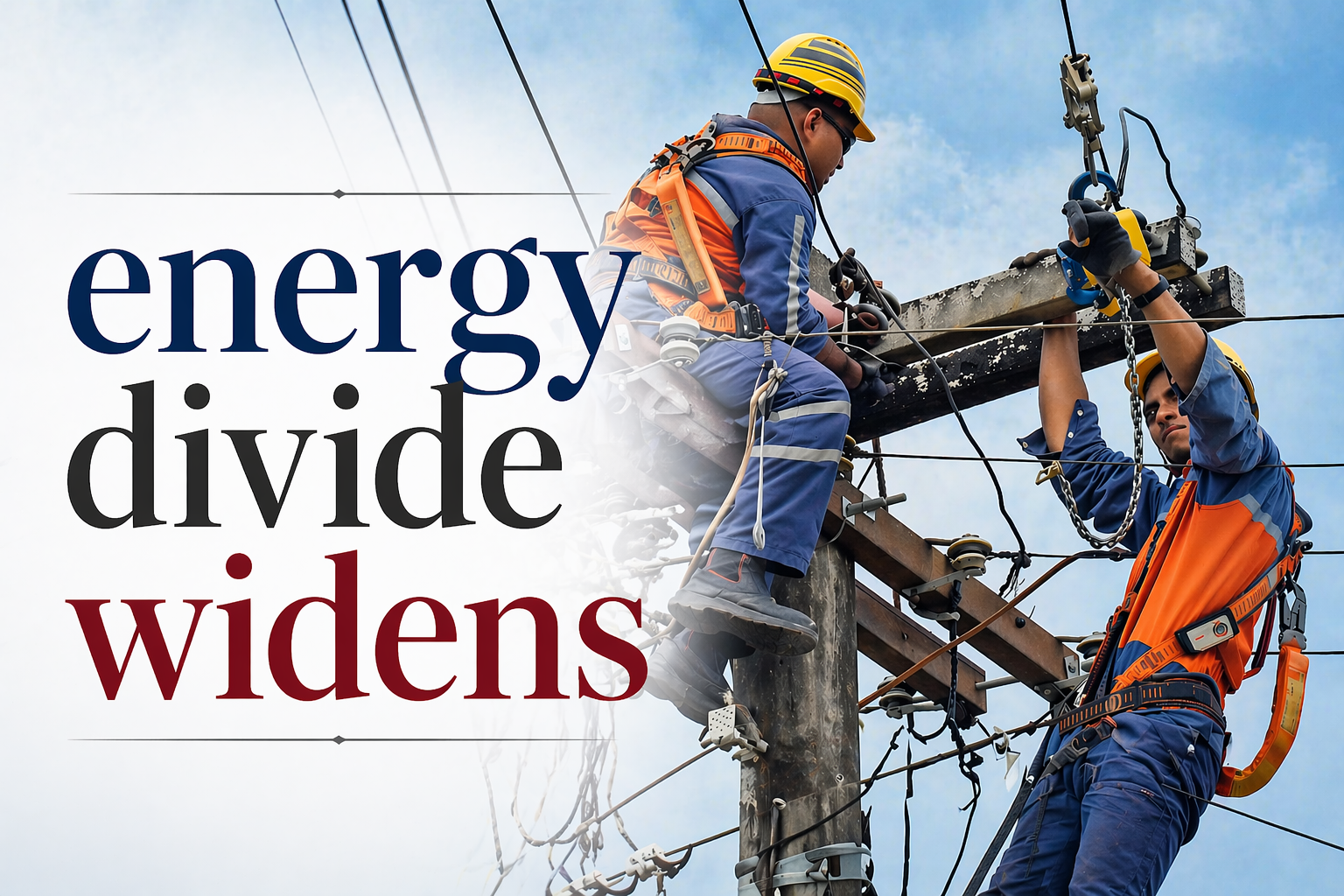
Fiji’s transition to renewable energy could deepen inequality if not managed inclusively, according to the Economic and Social Survey of Asia and the Pacific 2026.
The report warns that the costs and benefits of energy transitions are often unevenly shared, with vulnerable groups bearing the heaviest burden.
In Fiji, while renewable electricity levels are high during favourable hydrological conditions, continued reliance on diesel in outer islands has reinforced perceptions that the benefits of clean energy are concentrated in urban centres.
This imbalance, the report says, risks undermining public trust in national renewable energy strategies.
ESCAP also highlighted broader regional concerns, noting that transitions can lead to job losses, rising energy costs and reduced fiscal support in fossil-dependent areas, disproportionately affecting low-income communities.
The report further raised concerns about how renewable projects are implemented, pointing to issues such as limited community consultation, centralised land acquisition and unequal benefit sharing.
Without inclusive dialogue and transparency, ESCAP warned, such projects could face resistance, legal challenges or political backlash, potentially delaying or reversing reforms.
The findings underscore the need for Fiji to ensure a “just transition” — one that balances environmental goals with social equity and community inclusion.

