
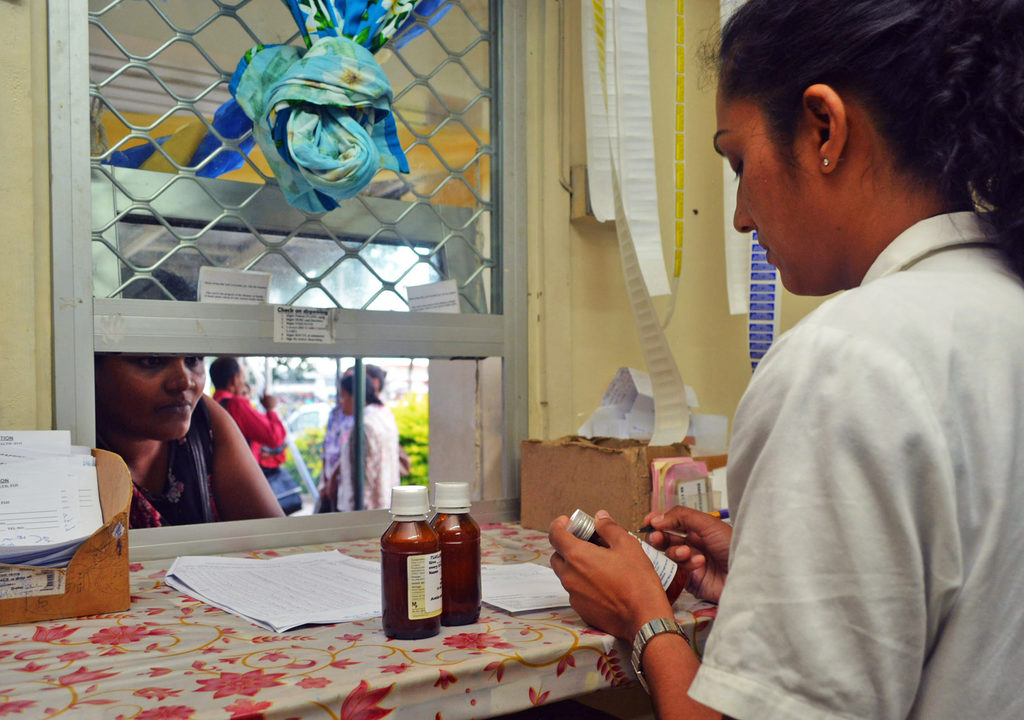
“A pill for every ill” refers to over-relying on pharmaceutical medication. This increases medication usage. Research has shown that many patients expect a prescription during consultations, leading to overprescribing, antibiotic resistance, and hence high costs.
Key aspects of “A pill for every ill” culture:
Industry expansion:
In the 1970s, there were two pharmacies or chemists (as we called them) and a dispensary at the Nadi Hospital where a limited number of medicines seemed to take care of all our illnesses. Now there are 10 of them in Nadi! This is in spite of the fact the population has not increased much since. This is because life’s everyday problems have become medical conditions, which has maximized medicine use beyond essential needs.
Overprescribing:
In many consultations, patients expect a prescription, and doctors often provide them to address issues, leading to an increase in prescriptions. Once I went to a doctor for consultation. His wife has a pharmacy right next to his office. In about 10 minutes, he gave me two pages of prescriptions which cost me $147 My wife yelled at me and I returned most of them. Her yelling gave me a headache but I saved about $100 which she spent on a sari of her choice.
Consequences of overmedication:
Overuse of medications increasing risks of drug resistance and unnecessary side effects. A family friend in the US was very sickly taking multiple medications. Her family thought she was going to die and arranged to send her on a three-week cruise to fulfil her wish on her bucket list. The next morning after the cruise liner had sailed, she realised that she had forgotten to take her pill-box! And she panicked.
However, when she came back from her cruise, she looked rejuvenated. There was a glow on her face and it was no longer ashen. She looked healthy and cheerful. But the concerned husband increased her dosage to compensate for the all the days she had missed taking her pills. A month later, she passed away from overmedication.
Hidden costs:
While medicines contribute to managing illnesses, overuse can lead to health risks rather than benefits, with some medications not providing significant health improvements. But we are so gullible and dependent on what the doctors say and do not take any personal responsibility
Common areas of overmedication:
There is a multitude of areas where overmedication is quite prevalent – antidepressants prescribed for stress, anxiety, and depression, antibiotics misused for viral infections like cold and sore throat, leading to resistant bacteria.
Then there are lifestyle rugs – medications for minor symptoms or conditions that could easily be managed through lifestyle modifications. Normal life experiences, such as grief or minor pain, are increasingly treated with medication.
Sadly, the reliance on medication can create a false sense of security and lead to long-term dependence
Bottle of lies
Katherine Eban’s book, Bottle of Lies, exposes the deceit behind generic-drug manufacturing. Drawing on exclusive accounts from whistleblowers and regulators, as well as confidential FDA documents, Eban reveals an industry where fraud is rampant, companies routinely falsify data, and executives violate almost every principle of safe manufacturing to minimise cost and maximize profit. Meanwhile, patients unwittingly consume medicine with unpredictable and dangerous effects.
The generic drug boom
But many have hailed the widespread use of generic drugs as one of the most important public-health developments of the twenty-first century. Eban claims that almost 90 per cent of the pharmaceutical market is comprised of generics. Our doctors and pharmacists have assured us that generic drugs are identical to their brand-name counterparts, just less expensive. But is this really true when it comes to drug safety?
Selling sickness
About thirty years ago, the head of the drug company, Merck, said he was distressed that his company’s market was limited to sick people. He thought Merck should be like the maker of Wrigley’s chewing gum. His dream was to make drugs for healthy people, to “sell to everyone.” That dream now drives the marketing machinery of the most profitable industry on earth.
We like to think…
We like to think that medicine is based on evidence and the results of fair testing and clinical trials. In reality, those tests and trials are often flawed. We like to think that doctors who write prescriptions for everything from antidepressants to cancer drugs to heart medication are familiar with the research literature about these drugs, when in reality much of the research is hidden from them by drug companies. We like to think that doctors are impartially educated, when in reality much of their education is funded by the pharmaceutical industry. We like to think that regulators have some code of ethics and let only effective drugs onto the market, when in reality they approve useless drugs, with data on side effects withheld from doctors and patients.
So what can we do?
Hippocrates, the father of medicine said, “Let food be thy medicine.” The iTaukei community know the healing value of herbs. Fiji Chaa is a most effective medicine for flu. There are so many effective ways to keep diabetes and high blood pressure in check and the information is readily available on YouTube. So why do we not use them? We are just too lazy. It is much easier to just pop up a pill.
Healing without drugs
Here is an interesting challenge to consider – is it possible to heal by thought alone? This may seem very improbable but the truth is that it happens more often than you might think. In the New York Times bestseller, You Are The Placebo, Dr Joe Dispenza gives many documented cases of those who have reversed cancer, heart disease, depression, crippling arthritis by believing in a placebo. (A placebo is a medicine or treatment intended to appear genuine to its recipient, but which has no pharmaceutical effect). Dr. Joe tells of how others have become sick or even died by becoming victims of a hex or voodoo curse.
So use your organic foods and thoughts to avoid a pill for every ill. It works!
ARVIND MANI is a former teacher who is passionate about quality education. He lived in the US for 35 years and was actively involved in training youths to improve their speaking skills. The views expressed are the author’s and do not necessarily reflect the views of this newspaper. He can be reached at theinspiredteacher9@gmail.com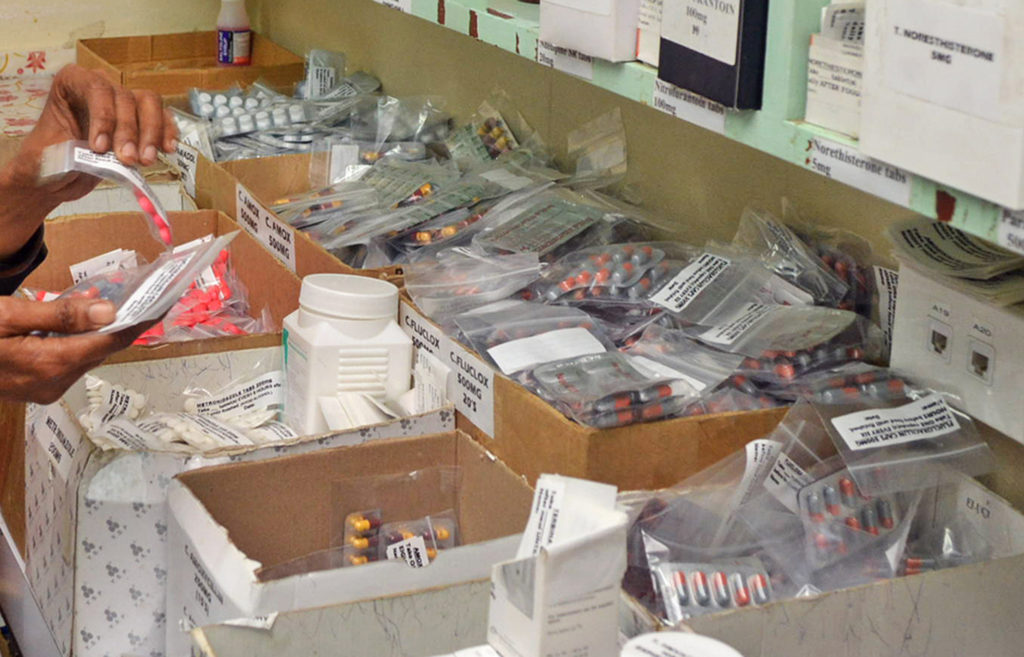
Tablets and pills displayed inside a health centre. Picture: FILE/ JONACANI LALAKOBAU

