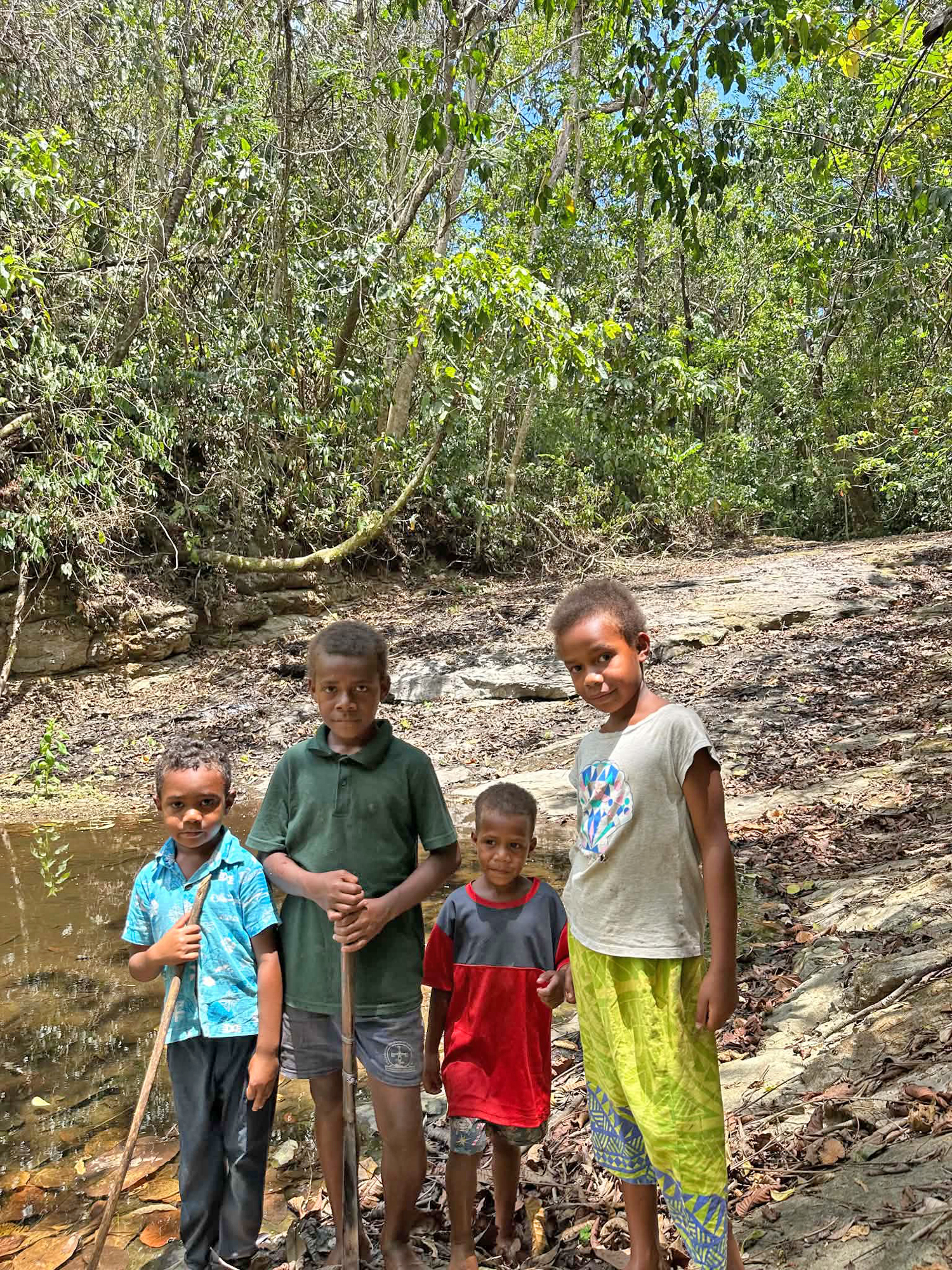
The revelation that families in Burenitu Village in Ra are being forced to pay for water truck deliveries as their usual water sources dry up is cause for concern.
In fact, it should prompt urgent action as we come to grips with the complexities associated with the weather patterns we are now experiencing.
We learn that the situation is leaving households struggling to meet their daily needs.
Months of prolonged El Niño conditions have depleted the village’s water sources, with the dam no longer able to provide enough water for residents.
Now, that is pretty serious. This is something we cannot afford to shrug aside as just another weather challenge to deal with before moving on. It is serious because of the wider implications. We are talking about the impact on marine life, water scarcity in different parts of the country and, eventually, the interconnected challenges affecting communities, businesses and the cost of living.
Given that we are still struggling to come to terms with the fuel crisis brought about by the war in the Strait of Hormuz, this only compounds an already difficult situation.
Resident Amali Koronawa said families sometimes went an entire day, or even several days, without water, leaving them with very few options to meet their basic needs. She explained that the village dam could no longer meet household demand.
Ms Koronawa said streams that once provided a reliable supply of fresh water had also dried up, leaving behind only small pools of murky water, fallen leaves and debris.
She recalled that villagers initially continued relying on the streams when the dry conditions began, but those sources had now almost completely disappeared.
Previously, residents used the streams for washing clothes and bathing when dam supplies were limited, helping them conserve their precious water. With the streams now dry, another important lifeline has been lost.
Ms Koronawa said only families able to afford water truck deliveries could secure additional supplies, while others had to wait for the village supply to return. She added that villagers had received no assistance from Government officials in recent months and appealed for water tanks to be provided to families unable to pay for deliveries.
This is where we look to the powers that be for reassurance and meaningful intervention.
People should not have to struggle to secure something as fundamental as water.
We have been warned about the effects of an unusually strong El Niño, expected to persist well into 2027, with its impacts potentially continuing for four to six months after the event begins to weaken.
That is serious, and it demands vigilance.
The Fiji Meteorological Service has warned of a significant rainfall deficit, with below-normal rainfall forecast until March 2027. This raises concerns that Fiji could enter its next dry season with already depleted water supplies.
Against this backdrop, senior scientist at the Fiji Meteorological Service Arieta Baleisolomone said the current El Niño was showing stronger warming than previous major events, raising concerns about the severity of its potential impacts.
Earlier this month, the World Meteorological Organisation described the 2026–2027 El Niño as unprecedented in intensity. Pacific Ocean temperatures are expected to rise to nearly four times the El Niño threshold between November 2026 and January 2027.
This is no time for complacency. Burenitu is a warning of what could lie ahead for other communities. Authorities must act now, strengthen water security and ensure vulnerable families are not left to fend for themselves. Water is not a luxury. It is a basic necessity, and protecting access to it must be an urgent national priority.