THE revelation that Mexican drug cartels are expanding their operations into the Pacific, with Fiji among the countries attracting increasing attention from international law enforcement agencies, is cause for concern.
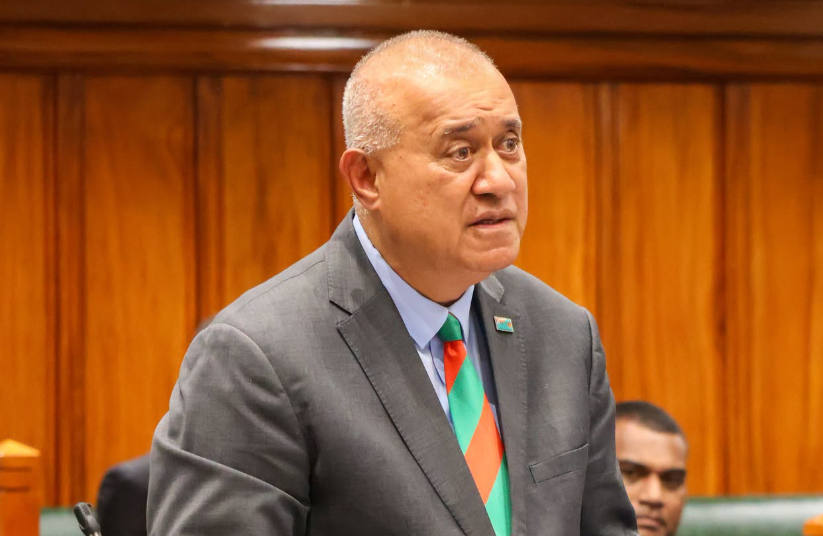
US Embassy Special Agent Phillip Padilla made the revelation during the Office of the Director of Public Prosecutions (ODPP) annual conference in Sigatoka, where he outlined the growing links between human trafficking and drug smuggling.
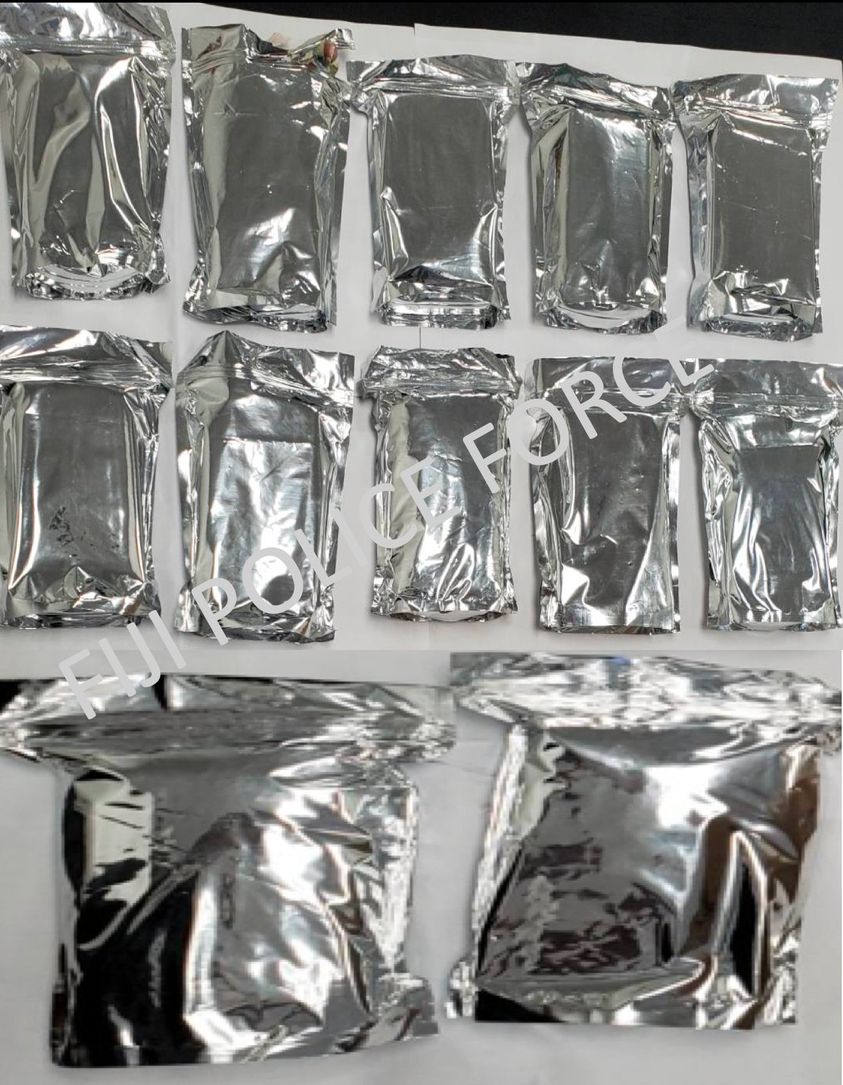
This is serious. The increasing discovery of suspicious packages on some of our outer islands only adds to the concern.
We may not be able to connect these packages to anyone, at least not immediately. However, the developments are serious enough to warrant greater vigilance.
That means people across Fiji understanding the gravity of the situation and recognising that they have an important role to play in being part of the solution.
Mr Padilla said the expansion followed setbacks faced by Mexican criminal organisations in their home country, including the killing of a major cartel leader, El Mencho.
He identified the Jalisco New Generation Cartel (CJNG), which emerged from the Zetas group, as one of the major trafficking organisations operating in the Pacific.
That is a worrying development. We have a massive challenge before us, and this cannot be left to the police or the Fiji Navy alone.
This demands greater vigilance and comprehensive strategies to deal with the threat. The risks are far too great for us to take this lightly.
We are learning that these criminal groups are increasingly using human trafficking and coercion to support their drug-smuggling operations and maximise profits.
Mr Padilla drew comparisons with tactics previously used by Islamic State (ISIS) in Iraq and Syria, where members allegedly concealed their roles by making guards and lower-level operatives appear indistinguishable from hostages and victims.
Similar methods, he said, have since been adopted by Mexican drug-trafficking organisations, allowing people involved in criminal operations to portray themselves as trafficking victims.
This approach enables these organisations to use force and coercion against lower-level members while maintaining plausible deniability.
This explains why tackling the threat has become a major priority for the US Government over the past two years.
He said the resources committed to Fiji reflected the importance Washington placed on monitoring and preventing these activities.
Again, we must look closer to home and acknowledge the challenges we are facing.
This may appear daunting, but we cannot make progress unless we are prepared to confront it.
The situation is frightening, and the scenarios are complex. However, the need for a united front must never be overlooked.
This demands our attention.
We look to those in positions of authority to lead this fight, but we must also recognise the important role every individual and community can play. Let us start by building awareness at every level of society.
Fiji needs this. We also need the supporting structures to be put in place. That means establishing proper rehabilitation centres across the country, strengthening our health system to better manage addiction, addressing the dangers associated with drug use and needle sharing, and paying closer attention to our HIV statistics.
Ultimately, this fight cannot be won through enforcement alone. It requires prevention, education, treatment, rehabilitation and a willingness by communities to stand together. Our borders must be protected, our institutions strengthened and our people informed. The threat is here, and the response must be collective, determined and sustained.