Fiji cannot afford to fight HIV with incomplete information.
The suggestion that stigma around sex may be influencing how people report the possible source of their HIV infection should concern all of us.
If people feel safer saying they contracted HIV through drug use than through sexual contact, the information collected by health authorities may not fully reflect what is happening in our communities.
This is not about judging people for how they live, who they have sex with or whether they use drugs.
It is about understanding the reality of HIV transmission so that prevention efforts can reach the people who need them most.
Sex remains a difficult subject in Fiji.
Conversations about sexual behaviour can be uncomfortable in families, schools, workplaces and even healthcare settings.
People may fear being judged, shamed or exposed.
That fear can become a barrier to honest disclosure — and when people are not comfortable telling the truth, the picture we build from the available data can become distorted.
That is why the rollout of the Integrated Biological and Behavioural Surveillance study is important.
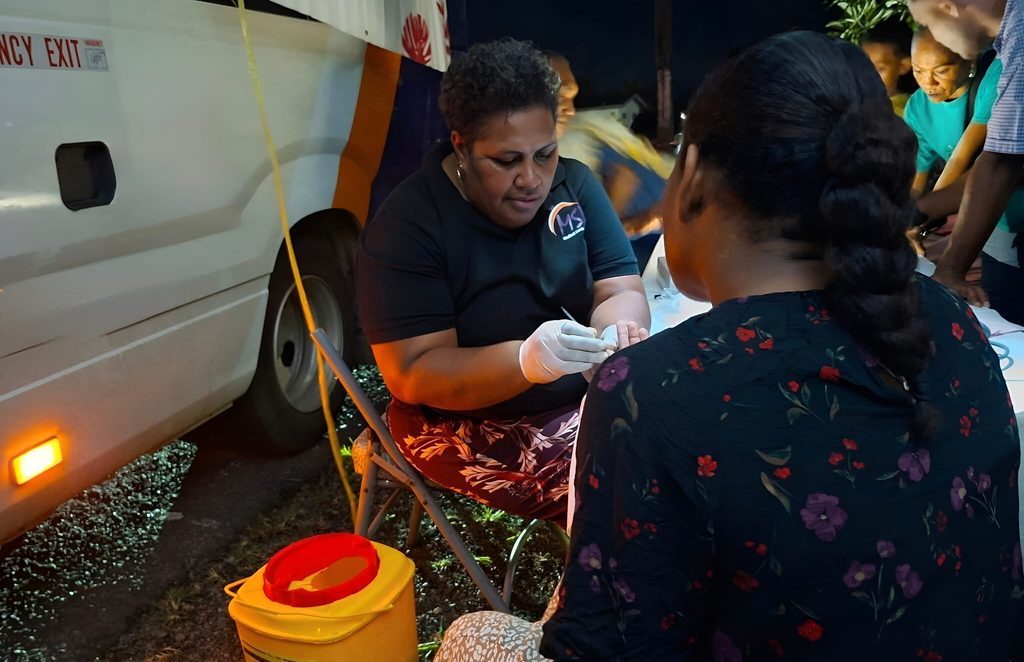
Testing alone tells us how many people are infected.
Understanding behaviour, circumstances and potential risk factors can help explain why infections are occurring and where prevention efforts need to be strengthened.
Starting the surveillance in Lautoka before expanding to Suva and other parts of Fiji should provide a broader picture of the national situation.
But collecting better data is only one part of the solution.
People must feel safe enough to provide honest information.
Healthcare workers and researchers need to create environments where sensitive questions can be answered without fear of humiliation, discrimination or unnecessary exposure.
Confidentiality must not simply be promised; it must be protected.
There is also a wider lesson here.
We cannot educate people about HIV effectively if we are afraid to talk openly about sex.
Silence does not prevent HIV.
Shame does not prevent HIV.
Judgement does not prevent HIV.
Accurate information, testing, treatment, prevention and honest conversations do.
Fiji should therefore welcome evidence that challenges assumptions rather than evidence that confirms what we think we already know.
If the IBBS study shows that sexual transmission is a major driver, we must be prepared to say so clearly.
If it identifies other significant factors, those findings must receive the same attention.
The priority should not be protecting social sensitivities.
It should be protecting lives.
Understanding how HIV is actually spreading is the first step towards stopping it.
To do that, Fiji needs data people can trust — and a society in which people feel safe enough to tell the truth.