
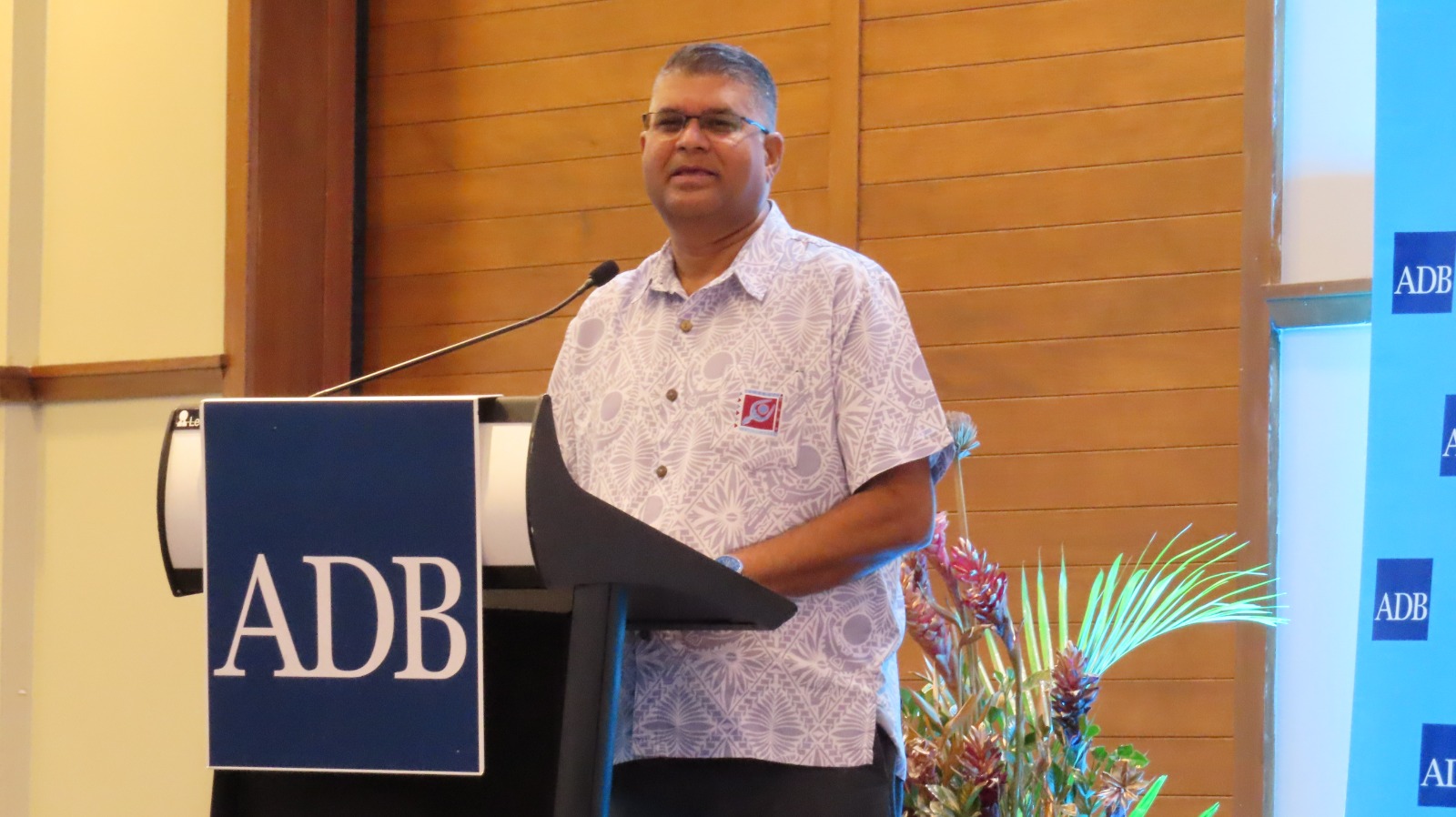
So we are staring at the possibility of an economic recession if the war in the Middle East drags on for longer than six months. That was one of the scenarios outlined by Ariff Ali yesterday when he spoke at the launch of the Asian Development Outlook April 2026.
While assessing the potential fallout of the conflict on our economy, the Reserve Bank of Fiji governor laid out three possible paths. Even if the war were to end immediately and all parties reached agreement, he suggested the economy could still shrink by about 0.5 to 1 per cent.
If the conflict continues for another three months, growth could slow sharply, dropping from around 3 per cent to closer to 1 per cent or even lower.
And if it stretches beyond six months, the outlook becomes far more concerning, with the real possibility that we may record no growth at all this year without an extraordinary turnaround.
Adding to the pressure, inflation is expected to sit around 5 per cent, largely driven by high fuel prices.
This is serious. It is unsettling as well.
We may feel frustration or even anger about the war in the Middle East. There will be differing views about who is right or wrong. But those debates will matter little compared with the economic realities that could unfold here at home.
We have weathered storms before. We can look back at how we endured and recovered from major challenges, from devastating cyclones such as Severe Tropical Cyclone Winston to the global shock of the COVID-19 pandemic. Each time, the resilience of Fijians, within families and communities, stood out.
This situation, however, is different. The pressure is coming from global forces well beyond our control. That is the bigger picture we should recognise, and this is why early preparation matters.
Right now, we say it should not be about dwelling on doom and gloom or giving in to panic. It should be about being proactive. Messages like this are not meant to alarm, but to inform and empower.
The bottom line is, if the conflict drags on, we should expect higher fuel and food prices. Economic activity is likely to slow, and there may be uncertainty around incomes and employment.
We must also acknowledge our vulnerability. Fiji relies heavily on imports, and fuel costs influence nearly everything, from transport fares to the price of food at the market.
So this is about readiness! Let’s face it! There is strength in awareness, and even greater strength in action.
We may not be able to change the course of what is happening in the Strait of Hormuz for instance, or the minds of the US President Donald Trump, Israel or Iran, but we can plan ahead. We can plan to manage our resources wisely and support one another as we always have. We can plan to cushion the impact of whatever lies ahead. We have proven time and again that resilience is part of who we are!

