
The decision to defer municipal elections has triggered mixed reactions around the country. However, if Government is asking the people of Fiji to wait longer for elected councils, then that delay must produce meaningful results.
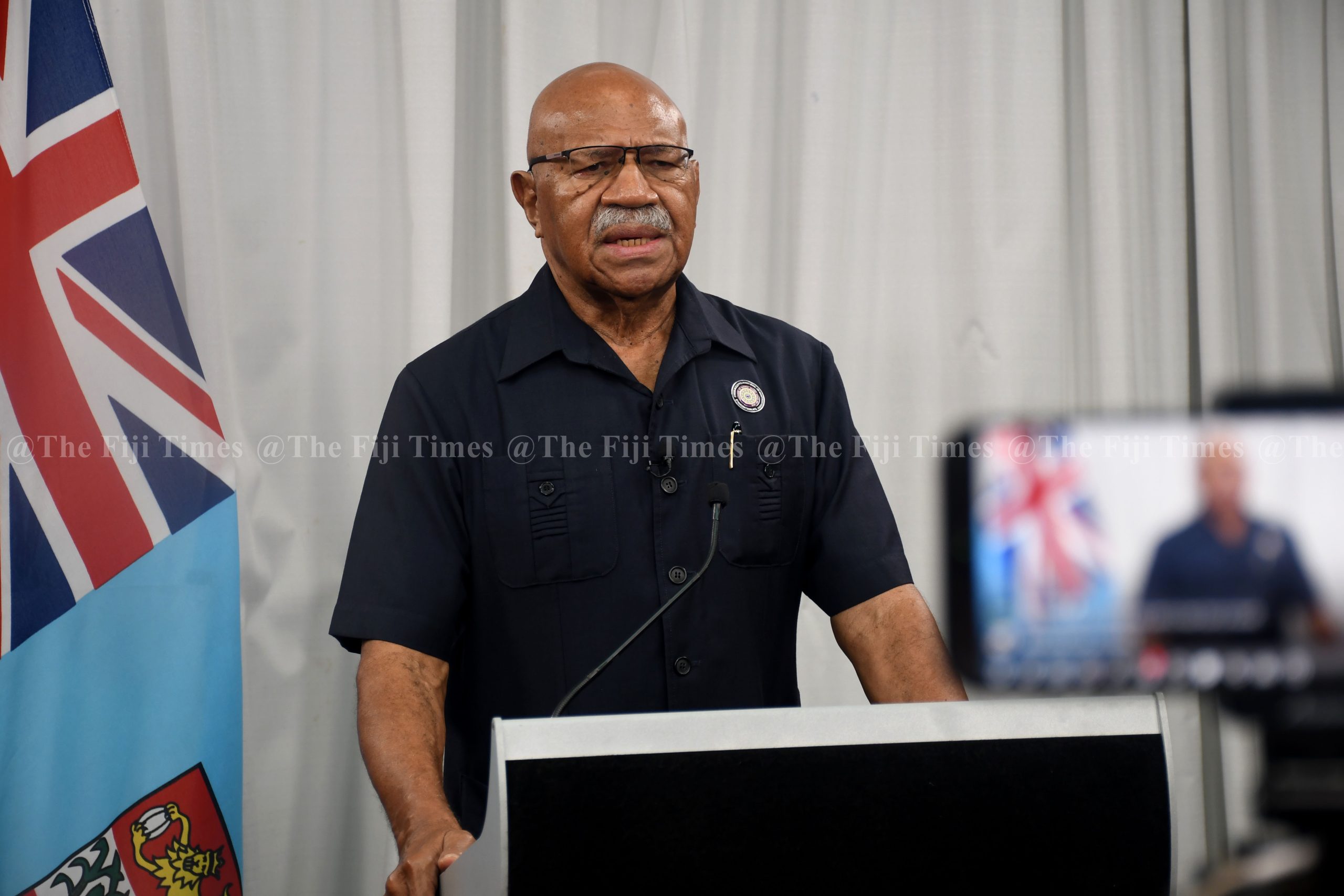
Prime Minister Sitiveni Rabuka has defended the move on the basis of financial pressures, the fuel crisis, and the need to redirect resources toward more urgent national priorities. We say there is logic in that argument.
National Federation Party leader Prof Biman Prasad believes the deferment will provide time to address concerns over ward demarcations and municipal boundaries while also easing pressure on the national budget.
According to Prof Prasad, if Fiji were to proceed with local government elections, a constitutional referendum, and eventually a general election after the constitutional review process, the cost could exceed $50million to $60million within a relatively short period. That, he argues, would place a heavy burden on a country already grappling with economic pressures and rising living costs.
This is why the NFP has backed the PM’s decision, maintaining that limited resources should be directed toward assisting vulnerable families and stabilising the economy.
That sentiment is shared by Savusavu Chamber of Commerce and Industry president Avinesh Pillay, who believes our immediate priority should be roads and essential infrastructure rather than municipal polls. He argues that funds earmarked for elections could be better used on urgent public works that directly benefit businesses and communities. The debate comes after years without elected town and city councils, with municipal elections widely expected to take place in September.
Labasa Town Council special administrator Paul Jaduram also supports the deferment, describing it as a timely and practical response to the economic and fuel-related pressures we are now facing as a nation. But while the economic arguments may resonate with many people, we should not dismiss concerns raised by critics.
The Fiji Labour Party has accused the Coalition Government of manipulating proposed municipal boundaries in a way that could politically favour the ruling parties ahead of the elections. Labour has also questioned whether Government was ever genuinely committed to holding the elections, especially after the PM announced that the estimated $18million allocated for municipal polls would instead be redirected toward fuel crisis relief measures and assistance for Energy Fiji Ltd.
Meanwhile, SODELPA believes concerns over outdated population data and unresolved legal questions surrounding electoral boundaries also justify the postponement. Party general secretary Simione Rasova said coalition partners had jointly written to the Prime Minister requesting that the elections be deferred to allow more time for preparation and updated demographic information.
Former senior civil servant Jioji Kotobalavu has also weighed in, describing Government’s decision as practical and sensible given our financial pressures and constitutional obligations.
Still, deferring elections cannot become an open-ended exercise. We have gone many years without elected municipal councils, and ratepayers have every right to expect transparency, accountability, and a clear path forward.
At the end of the day, local government elections are about giving people a voice in how their towns and cities are managed. Yes, there may now be reason to rethink priorities in the face of mounting national challenges. But the public will also expect action. If elections are delayed, then, we say, the time gained must be used to improve services, strengthen systems, and restore confidence.
Otherwise, we will continue to wonder when we will finally see municipal elections return?

