That’s so gross! It is not something we would expect, but the revelation that children as young as 12 are allegedly being drawn into Fiji’s drug trade is a shocking reminder of our vulnerabilities as a nation.
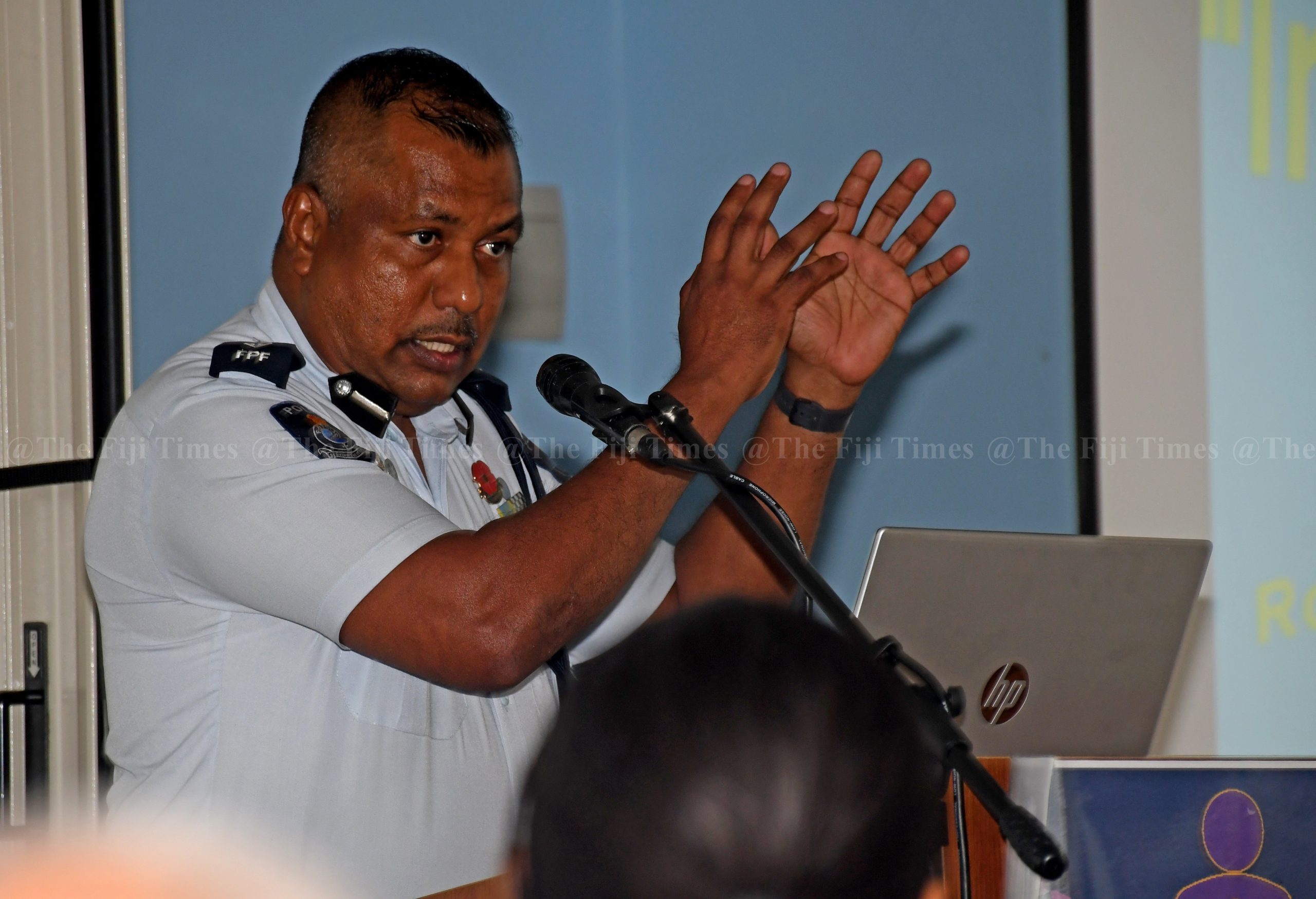
We now learn that some are reportedly being paid as little as $20 to $30 to help distribute illicit substances. This revelation comes from director of Community Oriented Policing Rakesh Chand.
Imagine that! It is a disturbing reality that demands our attention.
We know the drug problem is complex, and the exploitation of children adds another troubling dimension to a crisis that shows little sign of disappearing.
Presenting at an Interfaith Fiji workshop on tackling social problems, Mr Chand described cases in which children were allegedly involved in distributing drugs, with others collecting substances for sale.
He warned that vulnerable young people could be exploited by those involved in the illicit trade.
School dropouts, unemployment, limited opportunities and peer pressure, he said, could leave young people vulnerable to drugs and crime. These factors cannot be ignored if we are serious about addressing the problem at its roots.
The question is what we do next.
Mr Chand warned that a lack of opportunities could push young people towards addiction, crime and incarceration, trapping them in a vicious cycle that becomes increasingly difficult to escape.
Leaving the problem to the police is not the answer. Law enforcement cannot be expected to resolve every social problem. A young person who stops attending school is not automatically a police matter. This is why families and educators must intervene before the situation escalates into drug use and criminal activity.
Prevention must begin with identifying vulnerable children early and providing the guidance, support and opportunities they need. Schools, parents, guardians, faith-based organisations and communities all have a responsibility to play their part.
Protecting children who remain in the education system is important, but we must also reach those who have already fallen through the cracks. Their circumstances should not determine the rest of their lives.
We say rehabilitation and reintegration are equally important. Young people struggling with addiction and offending need a realistic pathway back into their communities.
Without proper support, the cycle of drug use and crime can continue. Even the most comprehensive development and crime prevention plans will achieve little without sustained commitment to implementation. Good intentions must translate into practical measures that reach those who need help most.
Let’s face it! We cannot afford to treat the alleged involvement of 12-year-olds in drug distribution as just another troubling statistic. We say children should be learning, developing their talents and preparing for their future. They should not be drawn into a trade that threatens their wellbeing and places their lives at risk.
So, the responsibility rests with all of us. Let us confront the circumstances that make children vulnerable, hold those who exploit them accountable and provide young people with genuine alternatives. Our future depends on the choices we make today. Protecting our children must be a national priority!