
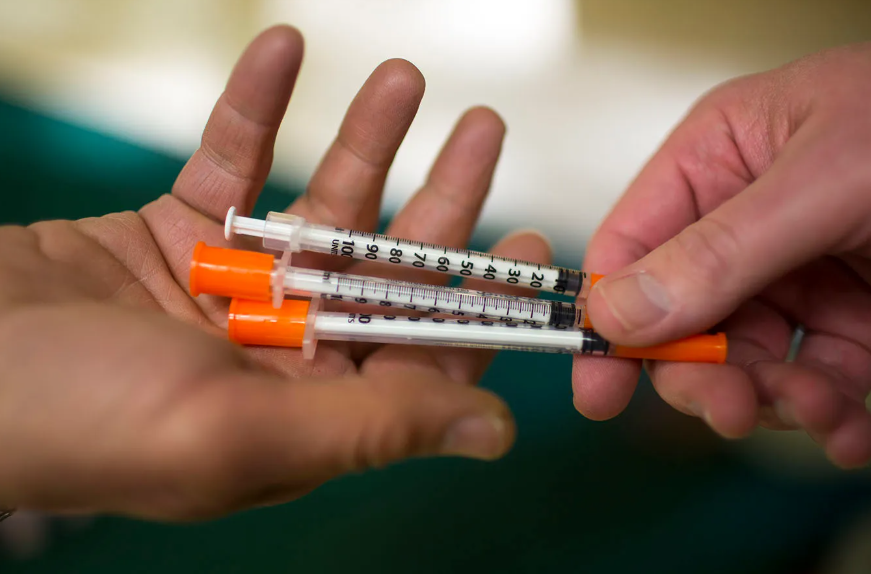
So, the Tui Namosi Ratu Suliano Matanitobua has backed the implementation of a needle and syringe exchange program as a measure to help reduce the spread of HIV. This is connected to people who inject drugs.
Now, this is certainly not a topic that is easy to talk about. And there are reasons why. There are far too many pros and cons, so to speak. But that is why we should be discussing it, and the Tui Namosi has taken the lead. That matters.
We are too far slapped back by the shocking numbers when it comes to HIV in Fiji.
Imagine this. One in 60 adults, from the ages of 15 to 49, may be infected with HIV. It is a dilemma we have to deal with urgently. And leaders like the Tui Namosi are taking the lead in talking about it.
Speaking during a fundraising event for Navua Hospital, the Tui Namosi described the proposed program as a positive step and said the issue would be raised at the upcoming Great Council of Chiefs (GCC) meeting.
He described the proposal as a very positive development. He said the GCC would meet on August 17 and 18, with the program among the matters expected to be discussed by members. Any recommendations would then be formally documented and forwarded to the relevant body.
Health Minister Dr Ratu Atonio Lalabalavu has confirmed the program is in its final stages of implementation but stressed that public awareness and community acceptance would be critical before it begins. Dr Lalabalavu has emphasised that the initiative must have community support. He also stressed that it must not be interpreted as encouraging drug use. And this is where we face a bit of that dilemma. There is the perception that we could be encouraging drug use. But then again, in the face of that, we must deal with the issue of shared needles and syringes. So where do we turn to? What do we do? We can ask many questions, and mull over the answers. But something must be done to bring down our numbers. They are record-breaking high.
Sure, we can fight drugs. Sure, we can fight the pushers and the users. There is supposed to be a war on drugs going on. The hard question, though, is how soon can we all unite and bring down the drug world. For starters, more developed countries have been trying to do that for decades. They are still at it. So we can continue with that war, and do nothing about the HIV numbers, or we can knuckle down, consider the options available to us, and do something drastic. It may be tough, but we have got to do something for the sake of our young people, and our nation.
The program would provide sterile needles and syringes to people who inject drugs, reducing the risk of HIV transmission through the sharing or reuse of contaminated equipment. Remember, we recorded 2016 newly diagnosed HIV cases in 2025, a 27 per cent increase from the previous year, which has prompted renewed calls for harm-reduction measures such as a needle and syringe exchange program.
So where to from here? We say bring on those awareness notes. Push the campaigns, and let us talk. Let’s stimulate discussions now. We have got to deal with this urgently. Whatever approach is ultimately taken, it must be informed by evidence, community engagement and the protection of public health. The conversation may be difficult, but avoiding it will not make the challenge go away!

