WOMEN make up half of Fiji’s population, yet their representation in political leadership and decision-making spaces remains a challenge.
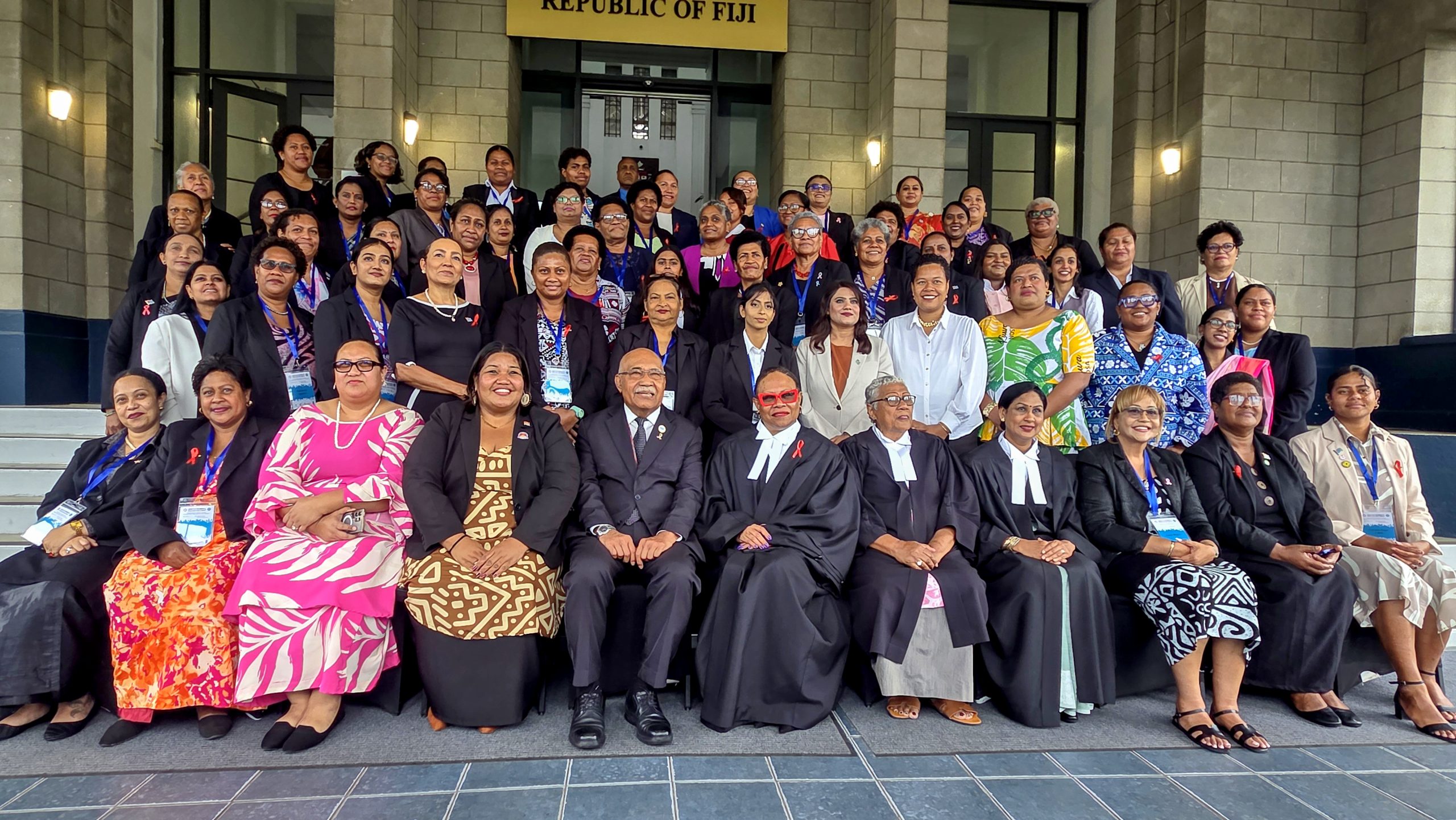
The message from the 2026 Fiji Women’s Practice Parliament is plain and valid — women need more than encouragement and fine words. They need a fair chance to lead.
Minister for Defence and Veteran Affairs Radiniceva Raluna has called for clear targets, temporary special measures, leadership training and protection against intimidation and discrimination. Her message is timely. If Fiji is serious about equal opportunity, progress must be quantified by results, not hollow promises.
The experiences shared by Assistant Minister for Agriculture Preetika Raj emphasises why this matters. Speaking from the perspective of a dairy farmer and community advocate in Vunidawa, Naitasiri, she pointed to the financial barriers women faced in political campaigning and the cultural expectation that leadership belonged to men.
These barriers are compounded by family responsibilities, limited access to resources and networks, and the challenges faced by women in rural and maritime communities.
Women already contribute significantly to Fiji’s economy and communities as farmers, workers, entrepreneurs, caregivers and community leaders. They understand the issues affecting families, livelihoods, water supply, agriculture and children’s futures. Their experiences deserve a place in the decisions that shape national priorities.
Yet representation is not simply about putting more women in Parliament. It is about ensuring they can participate meaningfully, influence policy and have their voices heard without discrimination or intimidation.
Political parties should adopt clear targets for women candidates and place them in winnable seats. Transparent selection processes would help reduce favouritism and reliance on personal connections. Financial support, campaign training and mentoring could also give qualified women a fairer opportunity to compete.
Leadership programmes should reach beyond towns and cities to rural villages and maritime communities, where distance and limited resources restrict access to training and political networks. Training in public speaking, policy development, parliamentary procedures and campaign management would help prepare women for leadership roles.
Equally important is changing attitudes at home, in communities and within political parties. Men must be part of this effort. Sharing family responsibilities, challenging stereotypes and rejecting intimidation are essential to creating an environment in which women can lead without having to overcome unnecessary obstacles.
Young girls must also see women in positions of authority and understand that leadership is not reserved for men. Schools, community organisations and public institutions all have a role in nurturing that confidence.
As Preetika Raj rightly says, the issue is not whether women are ready to lead, but whether Fiji is ready to give them a fair chance.