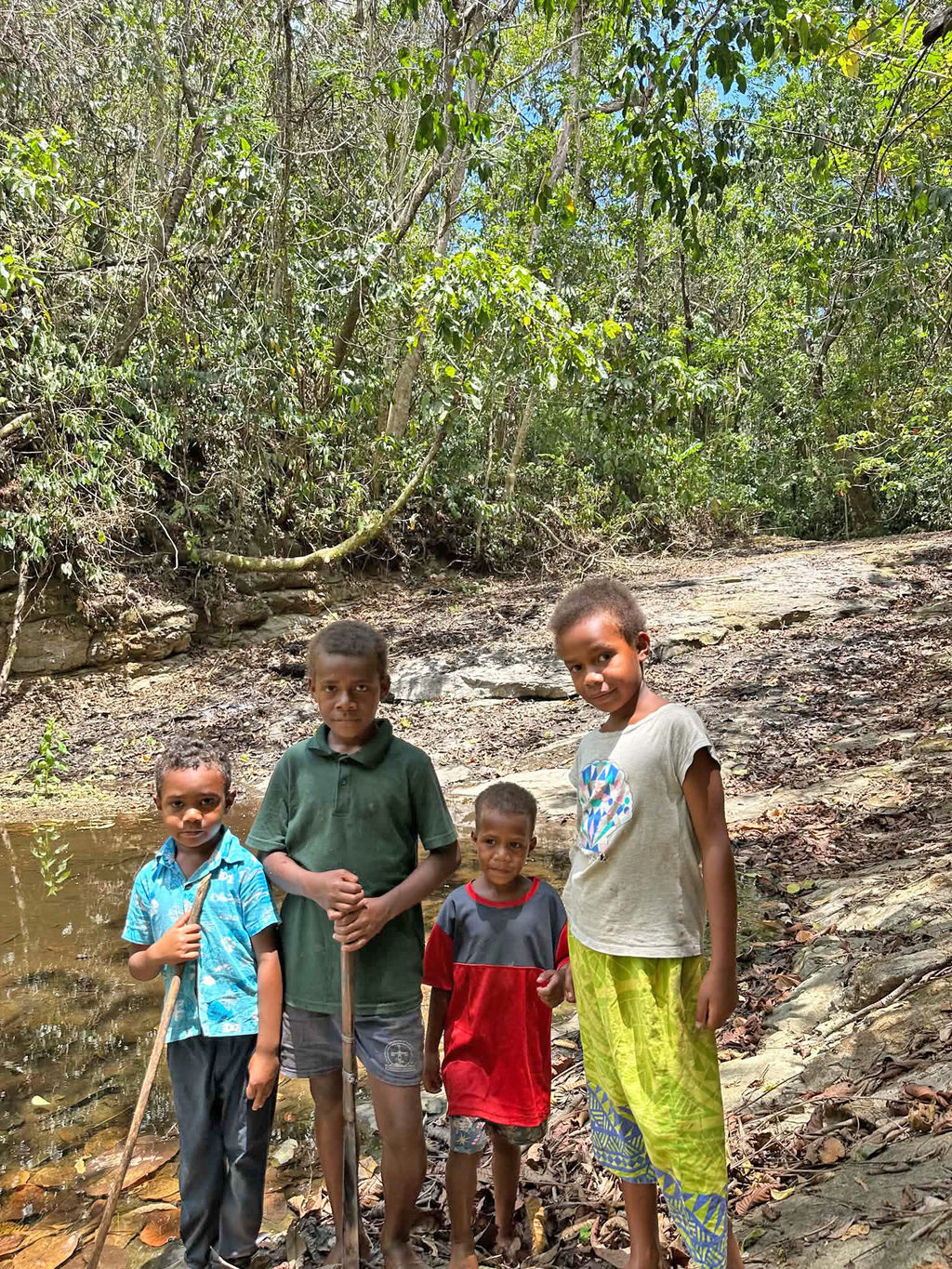
SO all schools in Fiji will close to students next week as the worsening El Niño drought situation and the declaration of a National State of Disaster raise concerns about children’s safety and welfare. It makes sense. Water supplies are already being affected.
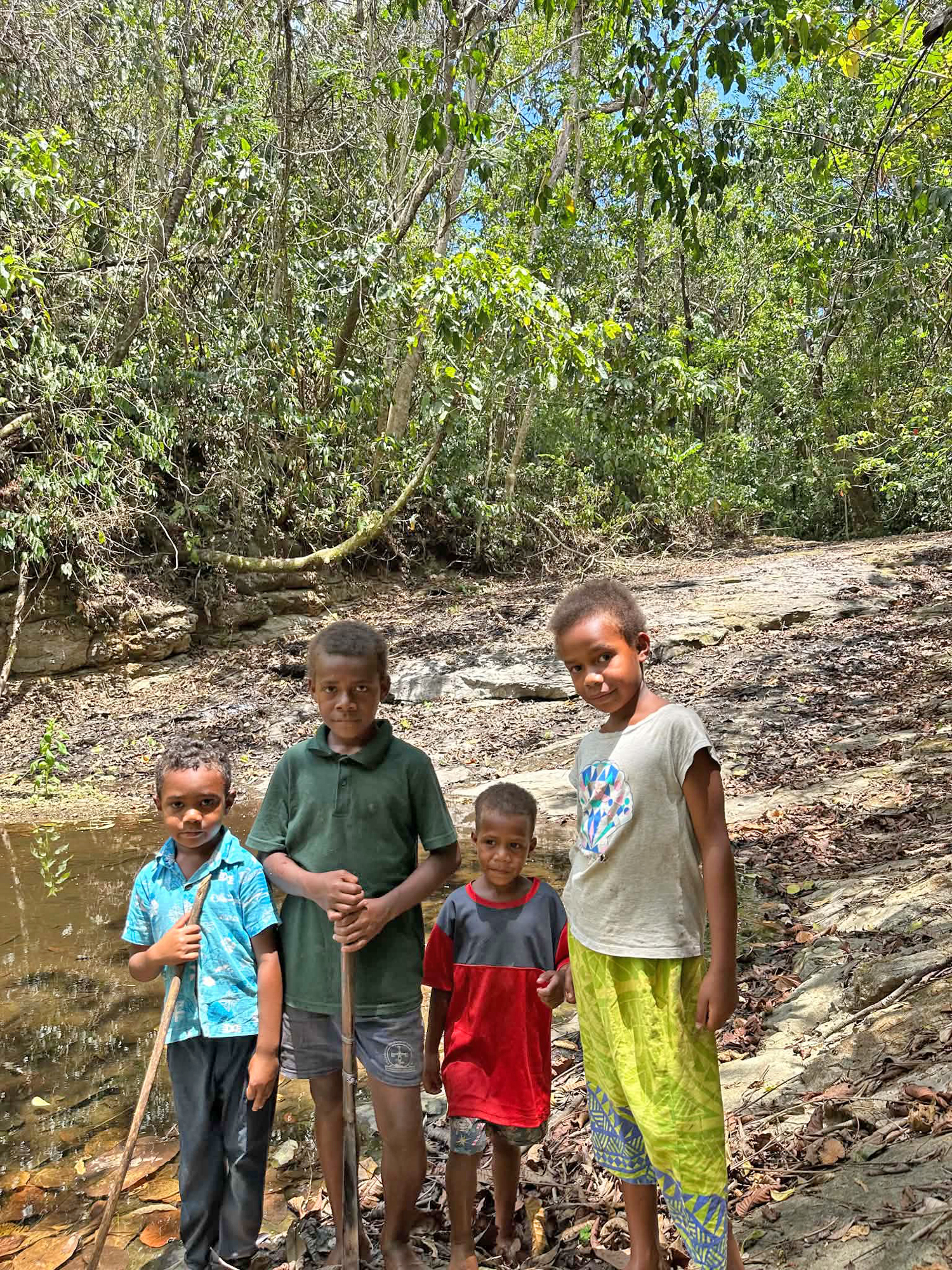
Now consider the hundreds of children expected to attend classes daily. Add to that the weather conditions we are now experiencing, particularly the heat, and the challenges become even more obvious.
Then consider the circumstances that make it necessary for children to be in classrooms every day.
Access to drinking water, proper sanitation, adequate facilities and a safe learning environment are important. You do not take these things for granted.
So, how did El Niño events affect children in the past?
During the 2015-2016 El Niño event, which affected an estimated 60 million people across 23 countries, millions were forced to leave their homes in search of food, water and employment after extreme weather conditions damaged crops and livelihoods, according to Save the Children.
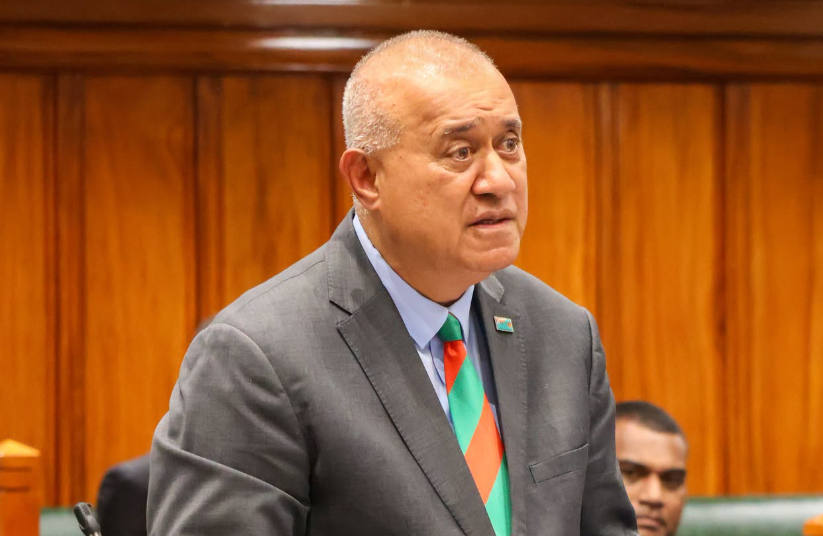
Minister for Education Aseri Radrodro announced that Friday, November 27, would be the last day for students, with schools closed from November 30 to December 4.
The precautionary measure applies to all schools across the country.
The decision, he said, was taken to protect students as the drought situation continues to worsen.
However, teachers and school staff will still be required to report for duty during the closure period.
All sporting activities, competitions, tournaments and school events scheduled during the period have also been cancelled.
Parents, guardians and school communities have been urged to take note of the arrangements and ensure children remain safe during the closure.
Now, we say we cannot afford to be complacent.
We must reflect on what this turn of events means for all of us. The closure of schools is a reminder of how vulnerable our communities can become when essential resources, particularly water, come under pressure.
Aside from the early closure of schools around the country, we must look at the wider impact of El Niño on our lives.
Food security, water availability, livelihoods and public health are all part of a much bigger picture. We must also remain mindful of changing weather patterns, including the possibility of cyclones, associated flooding and prolonged drought. These threats demand preparedness, vigilance and coordinated action.
We look to the authorities to remain alert and responsive, while ensuring children are engaged, protected and properly cared for as they stay home. Parents and communities also have an important role to play.
The closure of schools is a precaution to the challenges ahead. We must use this time wisely, conserve our water, protect our children and prepare for what may come.