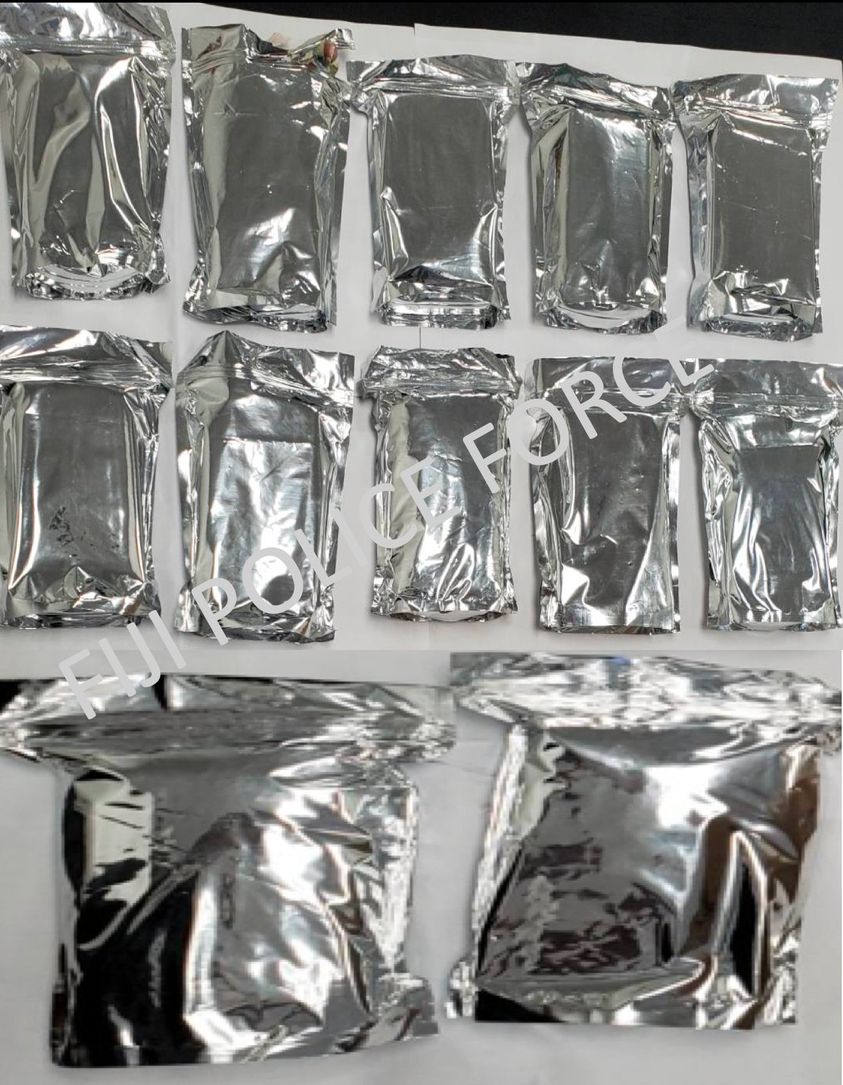
So methamphetamine has now been detected in all four population centres monitored in Fiji’s first National Wastewater Drug Monitoring Report. We also know that Suva recorded the highest level, at almost five doses per day per 1000 people, about twice the level detected in Nadi.
That stood out the other day. In fact, it is a major concern. And it raises serious questions about the spread of illicit drugs beyond what is being uncovered through police seizures.
Minister for Policing Ioane Naivalurua said the findings provided Government with a clearer picture of drug consumption patterns and would help strengthen targeted responses to our drug problem. That makes sense. However, the findings also present a worrying picture that will alarm many people.
The report, launched in Suva, covers key population centres that collectively serve about 20 per cent of Fiji’s population.
Mr Naivalurua said methamphetamine was detected at all four monitoring sites.
Cannabis, he said, remained the most widely used illicit drug, with consumption in Lautoka about 10 times higher than methamphetamine. Cocaine was detected only in Nadi, where its level was higher than methamphetamine. MDMA was also found in Nadi, although in relatively low quantities.
Heroin, fentanyl and ketamine were not detected during the first round of sampling. Mr Naivalurua said methamphetamine’s presence across all four sites warranted close monitoring, while the detection of cocaine in Nadi pointed to a specific pattern requiring further investigation.
Nicotine and alcohol, he noted, remained the substances consumed in the greatest quantities across all four sites.
He said the findings were significant because they provided a more reliable picture of drug consumption than relying solely on police seizures or information provided through self-reporting.
Although overall illicit drug consumption in Fiji was lower than in Australia, he said the results demonstrated that we are not isolated from the regional drug trade.
Wastewater was sampled daily over a full week, allowing researchers to identify changes in consumption patterns. Alcohol, cocaine and MDMA consumption generally increased over weekends. The report was produced through collaboration between the Australian High Commission, Australian Criminal Intelligence Commission, University of Queensland, University of the South Pacific and the Water Authority of Fiji. Mr Naivalurua said the findings would help Government and its partners direct enforcement, prevention and other resources towards areas experiencing greater drug-related problems. What we have now is a worrying situation that must be addressed.
The fact that we have figures, however, means we have a better opportunity to deal with the issues connected to drug abuse. It means strengthening awareness programs, targeting communities and ensuring that the information available is translated into meaningful action. It also means getting parents and guardians involved, being alert to what is happening within their households and taking a proactive approach to prevention.
At the end of the day, this is about being engaged.
Government cannot tackle this problem alone. And we have said this before, police cannot be everywhere, and enforcement, while important, will never be enough on its own. Families, communities, schools and institutions all have a role to play. These wastewater findings must serve as a wake-up call for all of us. The challenge is to turn evidence into action, and we have got to address this drug problem urgently!