DRY weather is causing water shortages in some villages as borehole yields decline and pumping times increase, raising concerns about reliable access to drinking water.
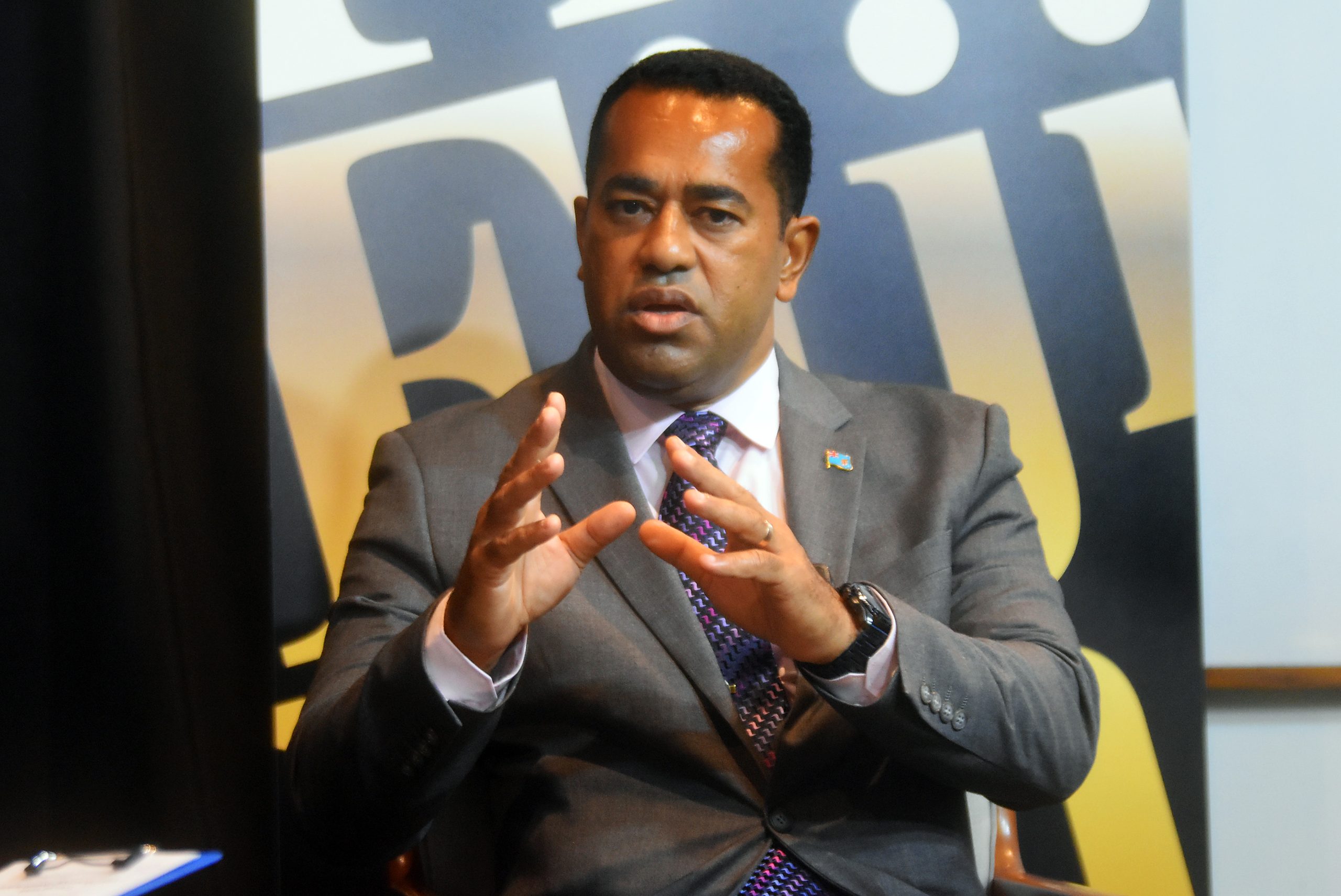
Minister for Lands and Mineral Resources Filimoni Vosarogo says surface water sources are usually the first to show the effects of dry conditions, while groundwater systems respond more slowly.
“The ministry does not pretend every rural bore is at full design yield in a drought,” he said.
Mr Vosarogo said Government was rehabilitating existing boreholes, enforcing pumping limits and expanding climate-resilient groundwater sources to reduce reliance on single-water systems.
“That is why we rehabilitate existing holes, why we insist on pumping limits, and why we are expanding the number of climate-resilient sources rather than leaving a village on one hole.”
He said where yields fall, the Mineral Resources Department would assess whether issues were linked to the aquifer, pump, casing or over-extraction.
“When a community borehole fails or yield drops, the ministry’s first response is technical,” he said.
Where possible, boreholes would be rehabilitated. If not viable, alternative sites would be identified using geophysical data, including airborne electromagnetic survey results.
“That work is already being used to lock in drilling targets rather than waiting for a crisis,” he said.
Mr Vosarogo said affected communities would be placed on rehabilitation or replacement lists and, where necessary, supported with water carting.
He said water carting, tanks and rationing would be coordinated with relevant agencies.
Communities were also urged to conserve water and comply with approved pumping limits.