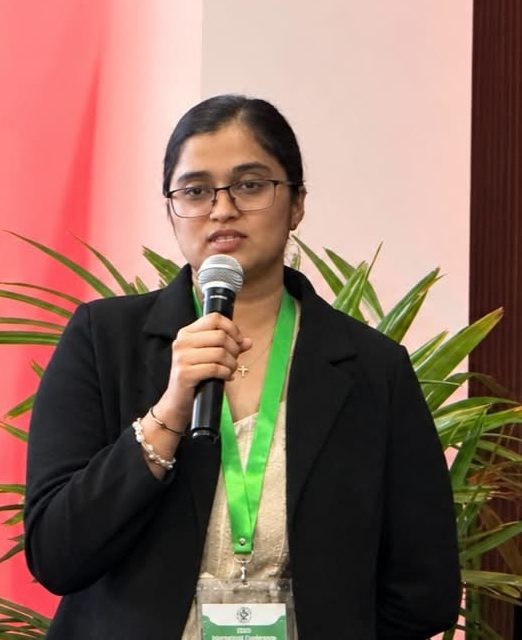
NINETY-FIVE per cent of 128 people who injected drugs and were admitted to Lautoka Aspen Hospital with HIV and hepatitis B and C over a six-month period were iTaukei, according to Dr Manisha Naidu.
Dr Naidu presented the findings during the Fiji Medical Association Annual Conference in Pacific Harbour yesterday. The study, conducted with colleagues, examined patients’ demographic backgrounds, injecting practices, infections and health outcomes.
She said 31 per cent of the patients died in hospital, with 80 per cent of those deaths involving patients with HIV. A further 17 per cent died within 30 days of discharge, while all eight patients who were readmitted and required intensive care later died.
The patients were predominantly young, with 32 per cent aged between 18 and 25. More than 50 per cent were unemployed and 14 per cent were homeless.
Dr Naidu said 76 per cent of the patients had HIV, while 25 per cent had hepatitis B and C. Some also presented with opportunistic infections and serious bacterial infections.
She said unsafe injecting practices were widespread, with 48 per cent reporting drug use, 94 per cent injecting up to 15 times a day, and 95 per cent reporting needle sharing. None of the patients reported using appropriate sterilisation methods for injecting equipment, with some using unsafe practices such as wiping needles or rinsing them under water.
“This study describes what we actually see in the hospital every day,” Dr Naidu said.
She said the combination of injecting drug use and unsafe practices significantly increased the risk of severe infections, resulting in complex cases that were difficult to treat.
Dr Naidu said the findings highlighted pressure on hospital services, with many patients presenting late and limited ward and intensive care capacity making treatment more challenging.
She said the issue also needed to be addressed outside hospitals, with greater focus on screening, counselling, harm reduction and psychosocial support.