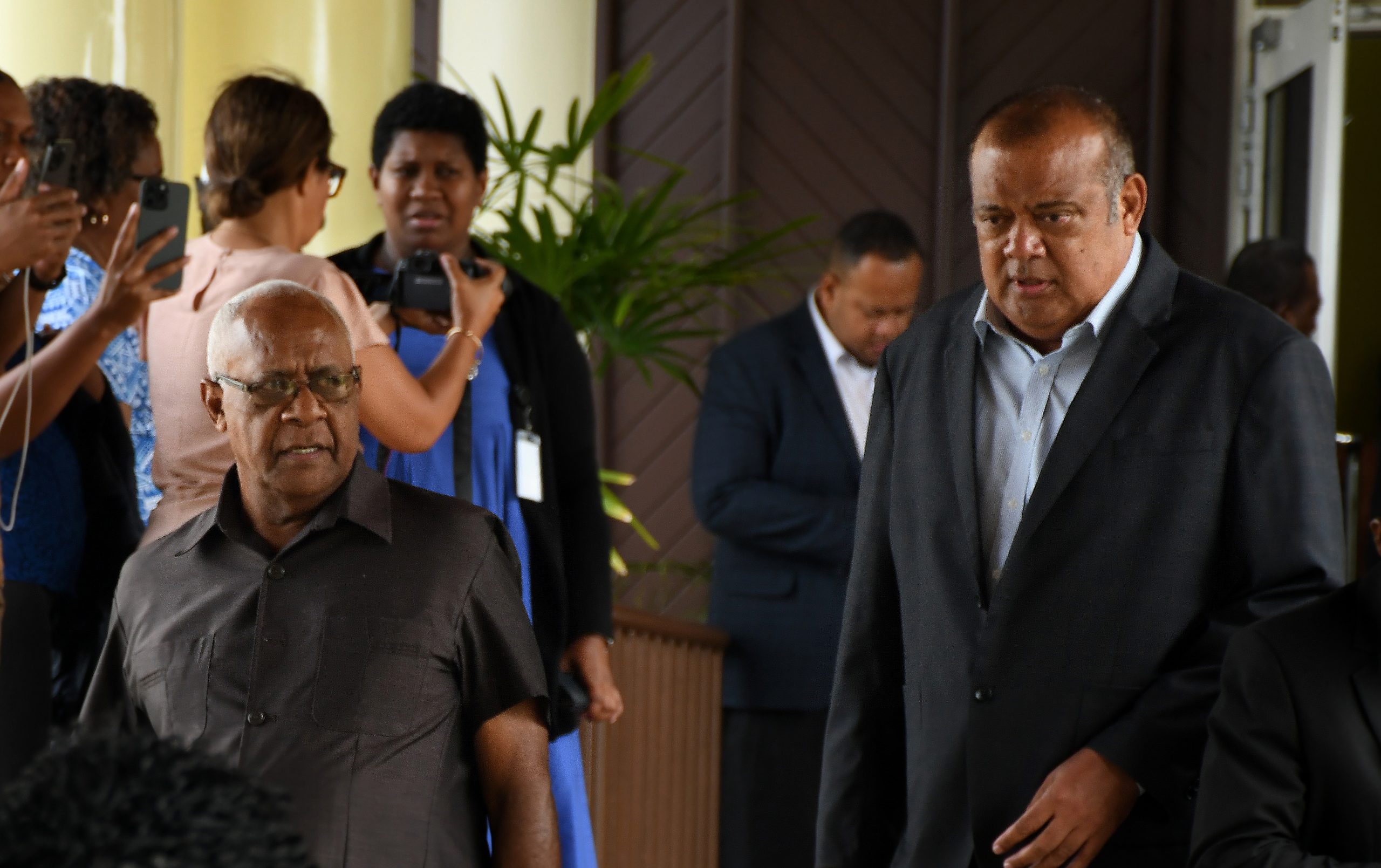
DISAGREEMENTS over landownership and access to mining sites could mataqali and communities if decisions are made without wider consultation, says Great Council of Chiefs (GCC) chairman Ratu Viliame Seruvakula.
He said the GCC had raised concerns during a presentation by Minister for Lands and Mineral Resources Filimoni Vosarogo on the draft Mining Act.
Ratu Viliame said one proposal was for decisions involving mineral discoveries to be discussed at the Bose Levu Vanua (traditional council of chiefs at the yavusa level), rather than being left solely to the mataqali directly occupying the land.
“Some mataqali have historically settled on land belonging to another yavusa with permission from traditional leaders back in the day,” he said.
“But disputes could arise when valuable resources are discovered on that same land.
“In such situations, the mataqali where the minerals were found could claim ownership without considering the wider yavusa and its traditional land arrangements.”
He said taking discussions to the Bose Levu Vanua level would help ensure communities were consulted and maintain harmonious relationships.
Ratu Viliame said access to mining sites was another concern that required wider consideration.
He gave an example of a mineral deposit discovered on one mataqali’s land where the only available road passed through another mataqali’s property.
He said even if the landowner where the minerals were discovered granted consent, the mining operation could be prevented if permission to access the site through neighbouring land was withheld.
“These matters need to be discussed collectively at the vanua level to avoid disagreements and ensure decisions surrounding mineral development considered the interests of the wider traditional community.”