GOVERNMENT needs to work closely with local scientists and experts developing solutions to Fiji’s waste management and fuel challenges, rather than allowing political interests to dictate how such innovations are pursued.
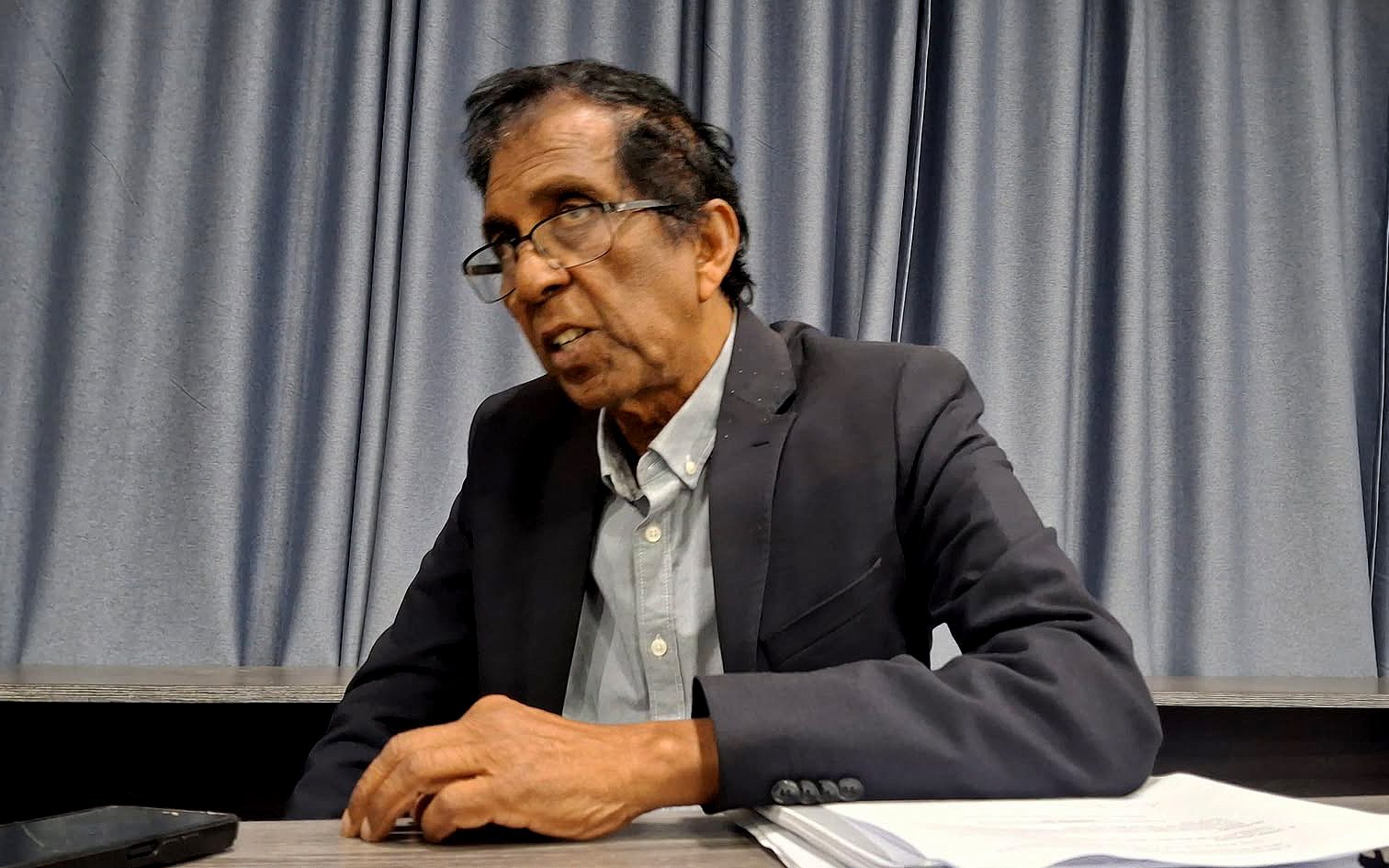
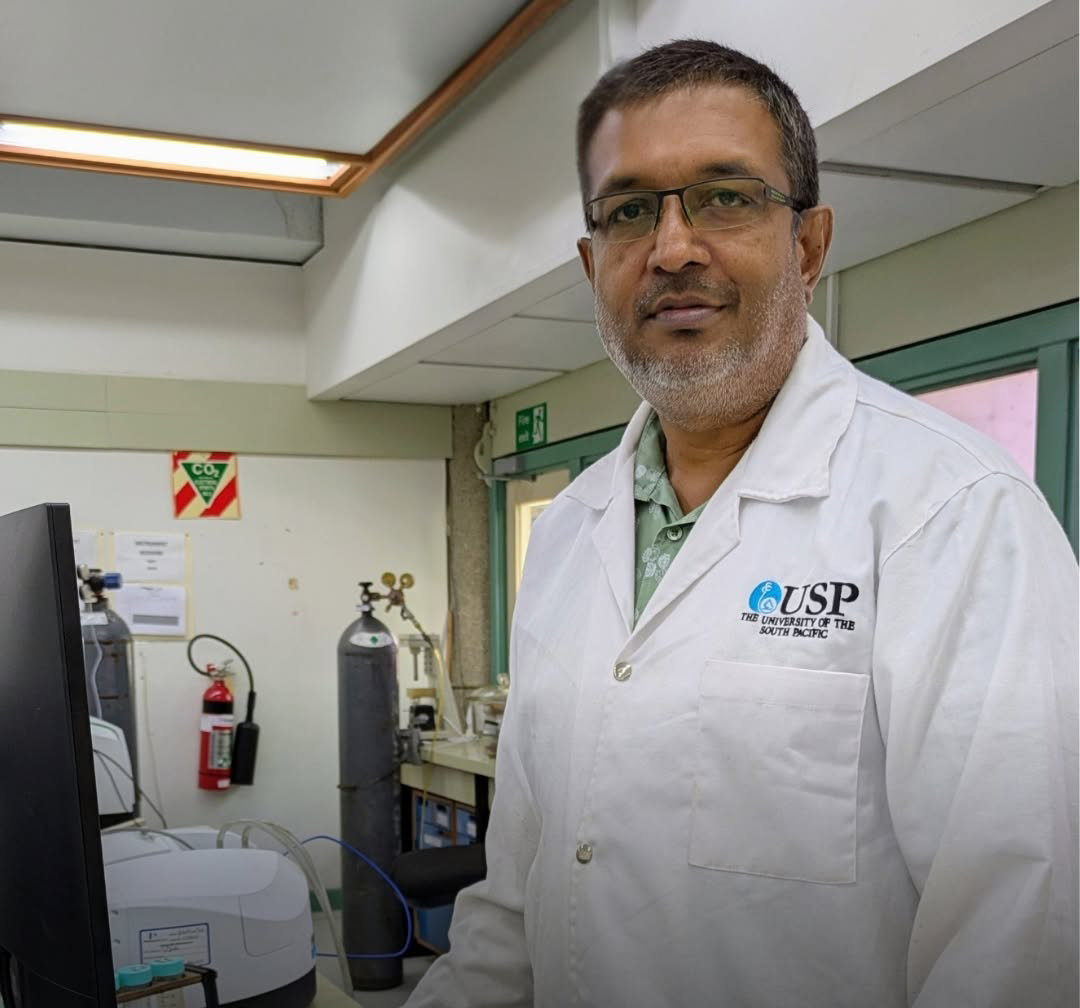
Speaking to this newspaper, University of the South Pacific (USP) polymer engineer Dr David Rohindra said scientists should be involved throughout the policy-making process, rather than being approached only after solutions had been identified elsewhere.
He said pyrolysis, which converts selected plastic waste into fuel, was emerging as a potential solution to both Fiji’s waste management challenges and its dependence on imported fuel.
“This is something we can propose, like the technology to the Ministry of Environment, but appropriate laws and regulations would be needed to support its implementation,” Dr Rohindra said.
“And Government also needs to establish clear policies to protect local investment and ensure companies developing the technology were not sidelined by larger foreign investors entering the market.”
However, he said, public education would be critical to making the process work in Fiji, particularly because it required people to separate suitable plastics from other waste at the source.
“If the education is done, they start collecting the raw material from source. We don’t have any issues in that way.”
Dr Rohindra said the country needed to change how people viewed waste, arguing that materials were often discarded because people could not see another use for them. He said Government should maintain an ongoing working relationship with scientists to identify locally driven solutions to national problems.
“So supporting scientific innovation, alongside public education and appropriate regulation, would be important in turning plastic waste into a resource.”