IN the second part of our Discovering Fiji series on the thriving nama trade in Namuaimada, Ra, the focus shifts from daily survival to long-term ambition.
For the resilient women who have transformed sea grapes into a reliable source of income, the vision now stretches far beyond the reef.
They are setting their sights on building a large-scale commercial venture, that will not only harvest and sell nama as food, but also explore value-added products such as skincare and other by-products.
It is an ambitious plan, but one guided by practicality and a deep respect for the environment that sustains them.
A vision beyond the reef
While the nama trade has already improved living standards in the village, the women of Namuaimada believe its full potential has yet to be realised.
Leading the charge is village Soqosoqo Vakamarama president, Sera Baleisasa, who has taken on the responsibility of ensuring the women’s work translates into fair and sustainable returns.
She has been engaging with the co-operatives department to explore the formation of a women’s co-operative, which is a move seen as a crucial step towards establishing a structured and efficient commercial enterprise.
Plans under discussion include the development of a collection centre in Ra, which would serve as a hub for aggregation, processing, packaging and distribution.
However, Ms Baleisasa emphasised that progress must be measured and inclusive.
“Before we move forward, our people, especially the women, need to fully understand what it means to be part of a commercial venture,” she said.
This includes awareness of maintaining consistent supply, ensuring quality control and, most importantly, safeguarding the marine ecosystem that supports the nama industry.
Challenges on the ground
Despite their progress, the women of Namuaimada continue to face significant challenges.
Among the most concerning are incidents of theft, where sacks of nama have been taken while being offloaded from buses en route to Suva.
Others have had to contend with exploitative middlemen who undervalue their produce, citing issues such as reduced freshness, to negotiate lower prices.
Often, with limited options and the need to return home with some income, the women accept these reduced rates only for the same middlemen to resell the nama at higher prices to market vendors.
“These are the realities we are trying to change,” Ms Baleisasa said, noting her determination to ensure that the women receive fair compensation for their labour.
Access to stable markets also remains a hurdle.
Many women rely solely on municipal markets in Nausori and Suva, with limited knowledge of alternative buyers or supply chains.
Through engagement with organisations such as Women in Fisheries and non-government organisations, they have begun advocating for access to more secure and reliable markets.
Building towards a commercial future
The women have also been exploring financial support options through institutions such as Investment Fiji and Merchant Finance, particularly those tailored towards iTaukei business ventures.
Their long-term goal includes establishing a fully operational business, complete with a processing facility, proper packaging, branding and marketing strategies that would position Namuaimada nama as a premium product.
Such a development would significantly reduce the need for women to travel long distances to urban markets, cutting down on transport and operational costs.
It would also allow for better quality control and branding, ensuring that nama from Namuaimada retains its distinct identity.
Villagers are confident in the uniqueness of their product.
They point to the high salinity of the waters along the Ra coast, which they say gives their seafood, including fish, shellfish, octopus and nama, a distinct taste and texture compared to other parts of Fiji.
Sustainability at the core
Even as they pursue growth, the women remain committed to sustainable practices.
They have imposed limits on their daily harvest, ensuring that no more than one sack, either 10kg or 25kg is collected per day.
This allows nama beds time to regenerate and prevents overharvesting.
They have also adopted a rotational system across reef areas, leaving previously harvested sites undisturbed to recover naturally.
Environmental awareness extends beyond the reef as the community has taken steps to improve waste management, ensuring rubbish is disposed of properly and does not end up in the sea.
“We understand that if we pollute the ocean, we are damaging the very resource we depend on,” Turaga ni koro, Harry Rounds shared.
The villagers have also observed environmental patterns, noting that when lumi (seaweed) grows in abundance, nama tends to decline, and vice versa, an indication of the delicate balance within their marine ecosystem.
Encouragingly, they have also seen new nama beds emerging along reef edges where none existed before, offering hope for the future.
Adapting to a changing climate
Climate change remains an ever-present challenge.
Unpredictable weather patterns, rough seas and prolonged exposure to the elements make harvesting increasingly difficult on certain days.
Women often spend hours in cold water, leading to health issues such as cramps and colds.
To cope, they wear multiple layers of clothing and closed footwear while on the reef.
However, Ms Baleisasa highlighted the need for specialised wetsuits to better protect the women from harsh conditions.
Support has also been sought from the Ministry of Fisheries, including a request for a dedicated boat to ease transportation.
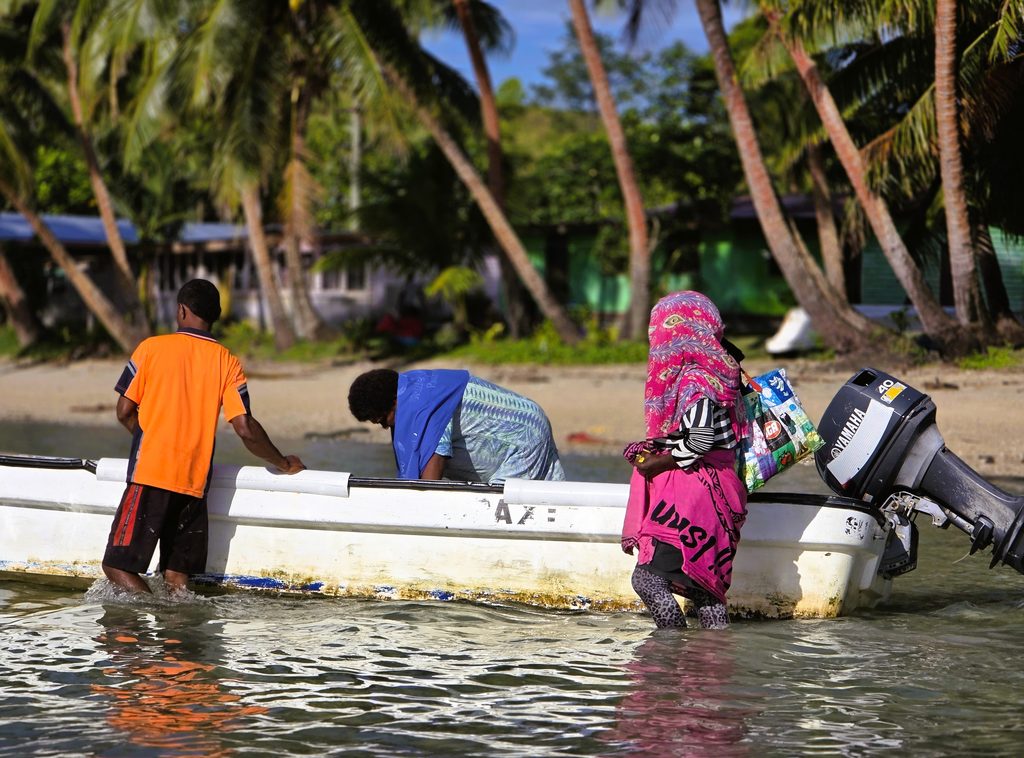
Currently, many women rely on chartered boats, costing about $40 a day, a significant expense that may rise further with fuel price increases.
Guardians of the reef
Beyond economic ambitions, the women of Namuaimada see themselves as custodians of their environment.
Efforts are being made to protect coral reefs from damage, while the wider community, including men, has been encouraged to practise responsible land use.
This includes minimising the use of chemical fertilisers and weedicides that could wash into rivers and eventually harm marine ecosystems.
Their approach reflects a deep understanding that the health of the land and sea are interconnected.
The journey of Namuaimada’s women is characterised by fierce determination, adaptation and forward thinking.
Rebuilding after Cyclone Winston to navigating the present-day economic and environmental challenges, these ladies have shown an unwavering commitment to both their families and their future.
Their vision of a large-scale nama enterprise is not just about profit.
It is about empowerment, sustainability and securing opportunities for the next generation.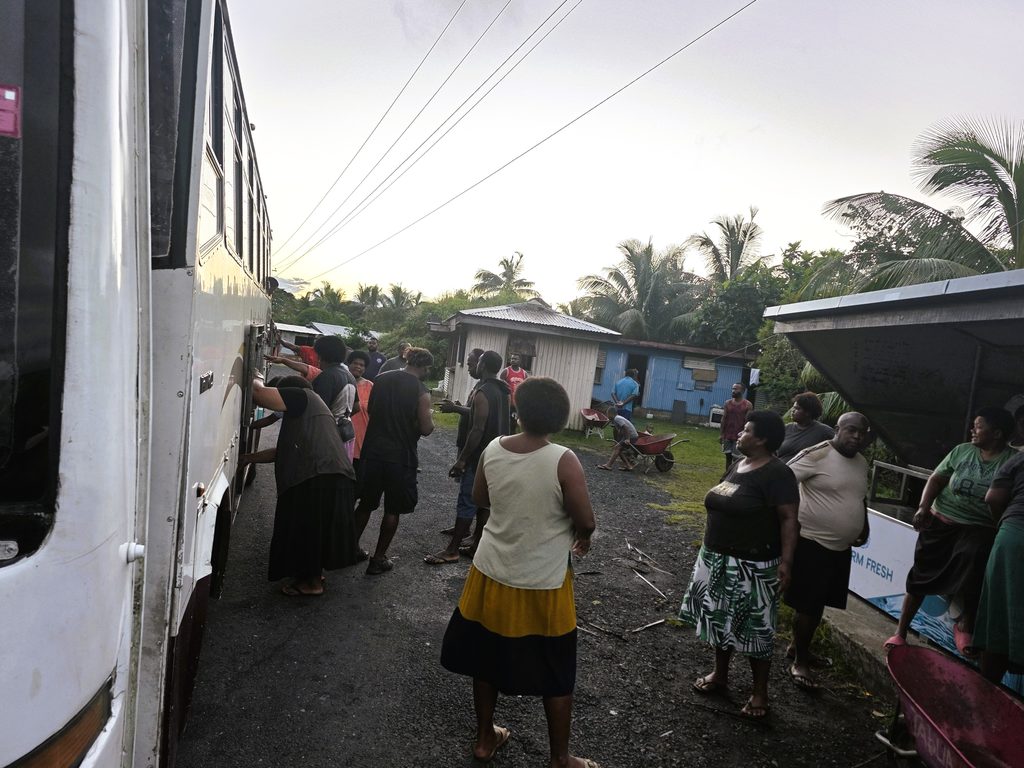
Fresh nama is loaded onto the 6am bus daily bound for the Nausori and Suva markets. Picture: ALIFERETI SAKIASI
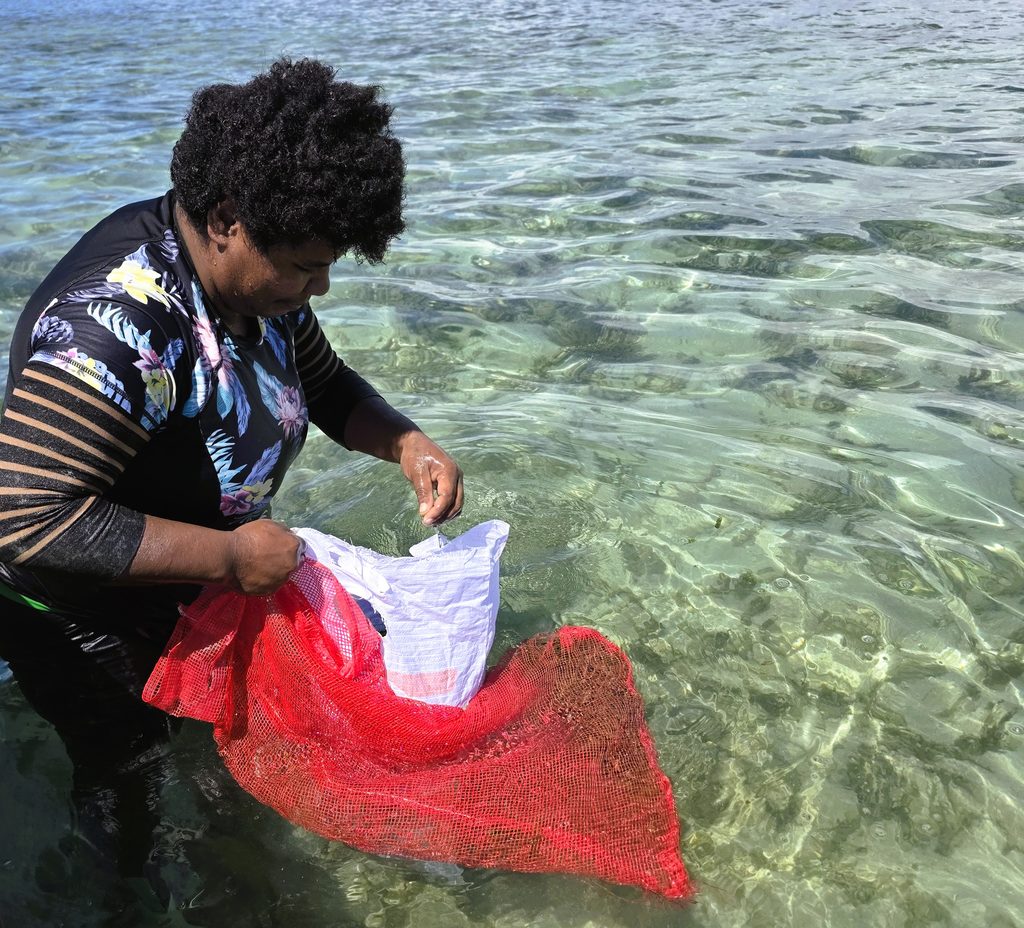
To ensure sustainability, the women are allowed to only fill up one bag of nama a day.
Picture: ALIFERETI SAKIASI
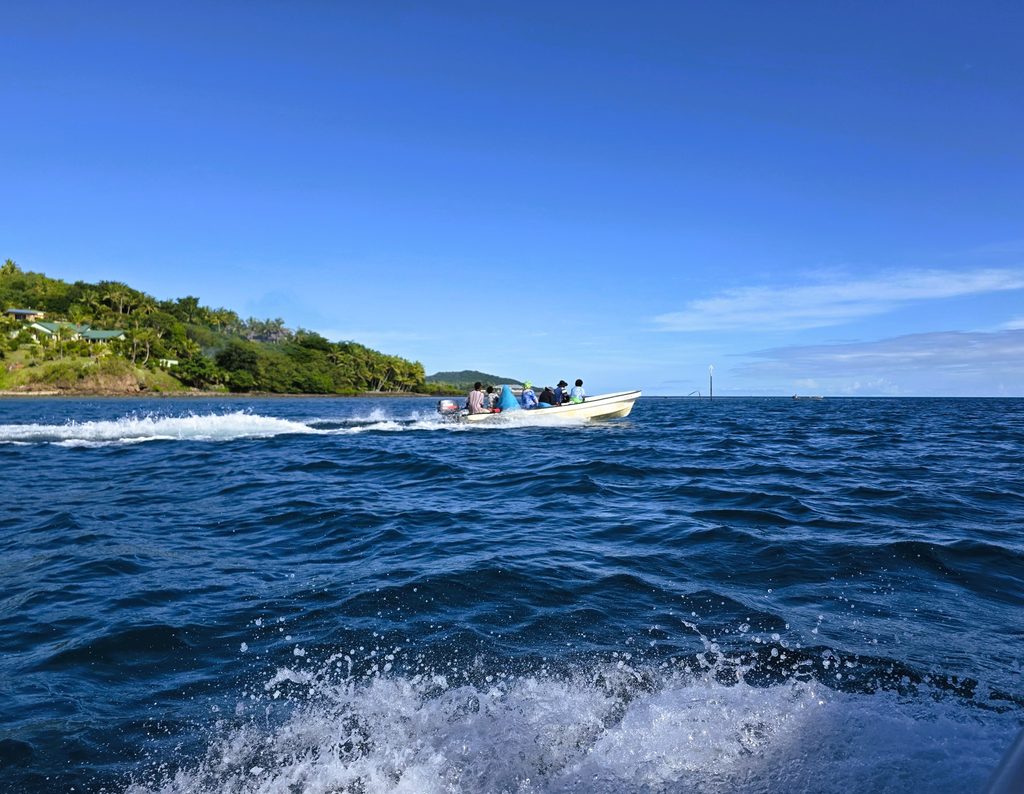
Every day at about 7am, boats with about seven women depart the village for the reef. Picture: ALIFERETI SAKIASI

Turaga ni Koro of Namuaimada, Harry Rounds stresses a point while waiting for the women to fill up their sacks with nama.
Picture: ALIFERETI SAKIASI
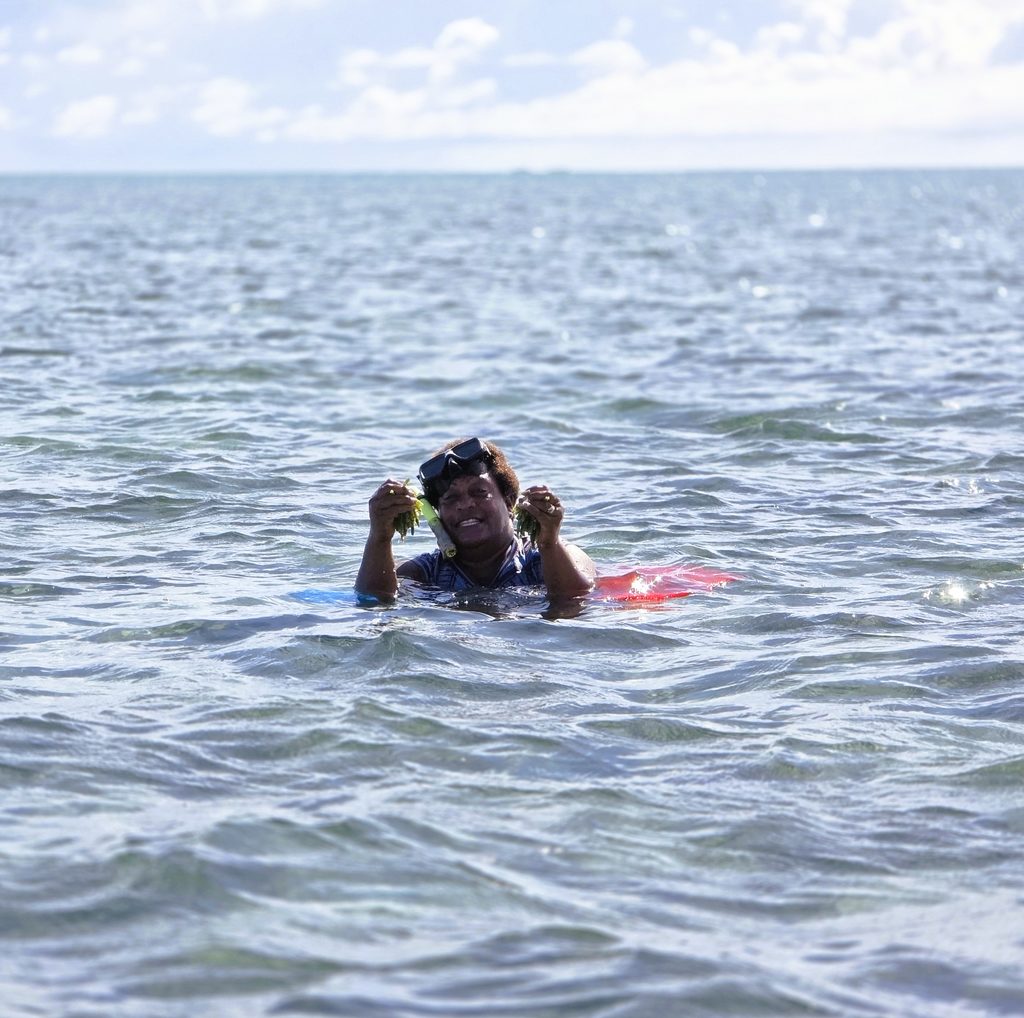

The hardworking men and boat masters of Namuaimada are always out on the reef watching over the women and on hand to help in transporting the bags of nama back to the village.
Picture: ALIFERETI SAKIASI
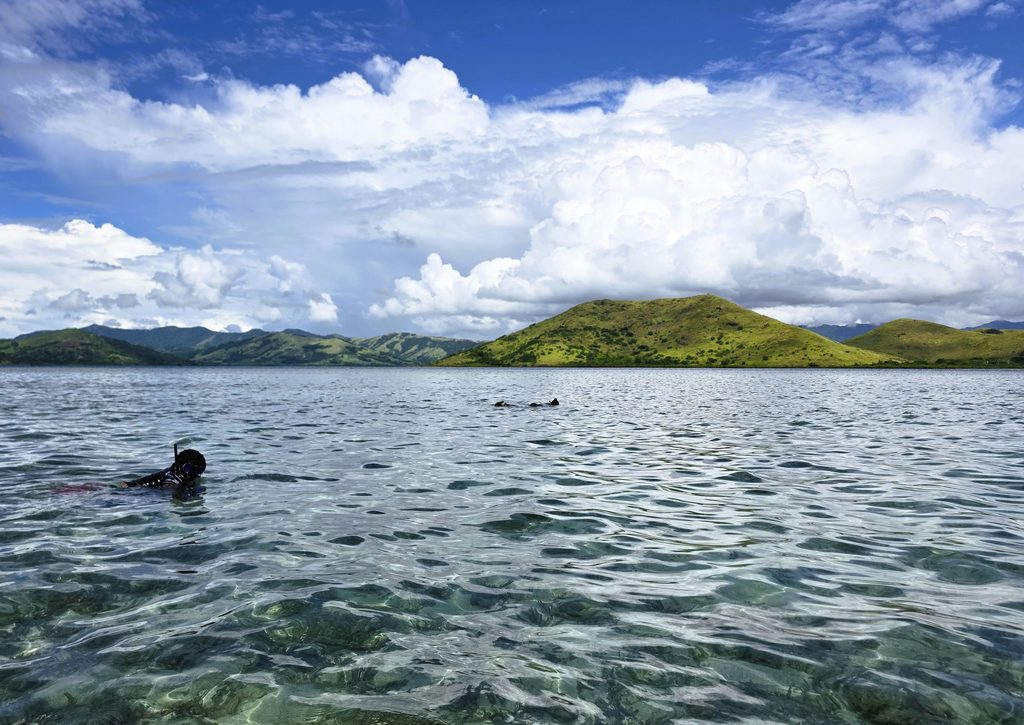
Cakau Levu or Great Reef just off the coast of Rakiraki behind Malake Islands a major hub for nama in Ra. Picture: ALIFERETI SAKIASI
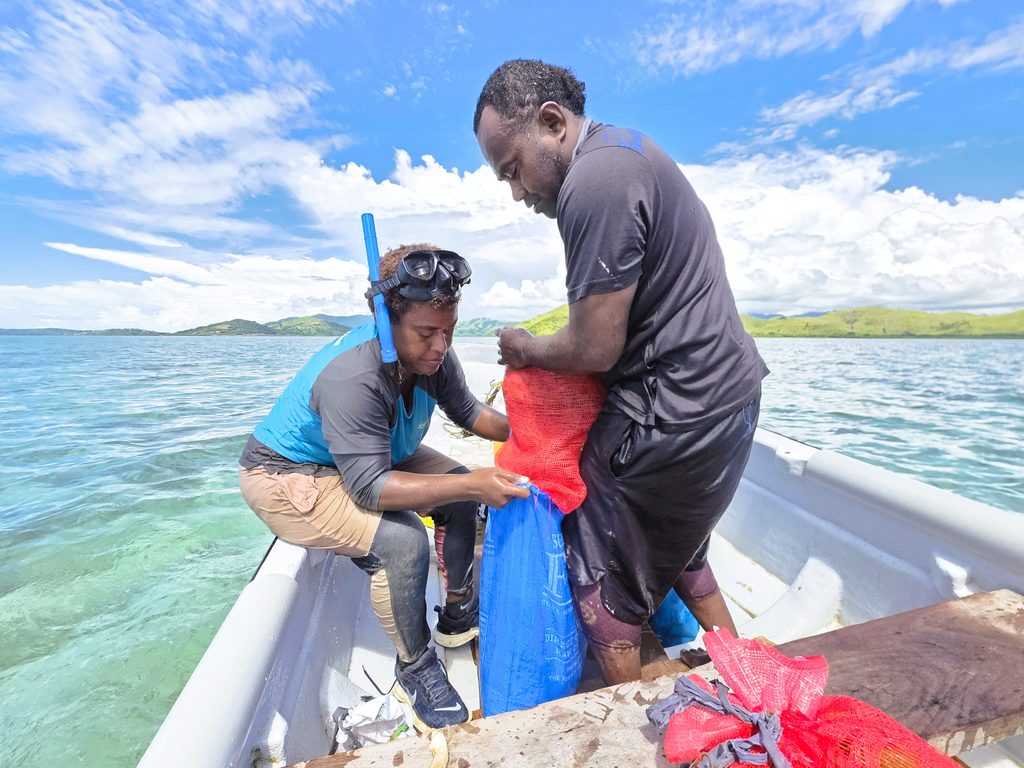
Nama is collected in red-netted sacks by the women and then transferred to larger 10kg or 25kg bags for storage and transportation.
Picture: ALIFERETI SAKIASI