
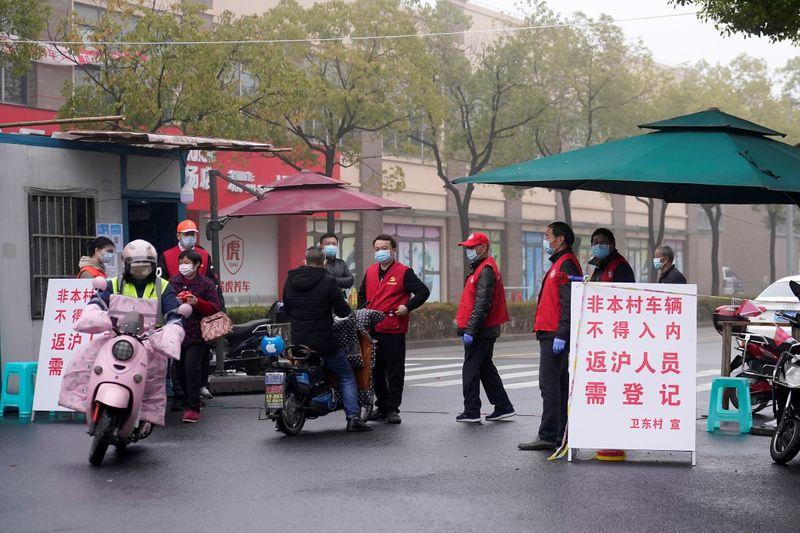
The WHO-China Joint Mission on Coronavirus Disease 2019 has made major recommendations in its report released in Geneva today after the joint mission deployment to China for nine days last month.
And common among the recommendations is for countries who have recorded cases or those that remain uninfected to activate the highest level of national emergency response mechanisms.
Below is the recommendations from the 25 experts who were missioned to China in February.
For countries with imported cases and/or outbreaks of COVID-19:
- Immediately activate the highest level of national Response Management protocols to ensure the all-of-government and all-of-society approach needed to contain COVID-19 with non-pharmaceutical public health measures;
- Prioritise active, exhaustive case finding and immediate testing and isolation, painstaking contact tracing and rigorous quarantine of close contacts;
- Fully educate the general public on the seriousness of COVID-19 and their role in preventing its spread;
- Immediately expand surveillance to detect COVID-19 transmission chains, by testing all patients with atypical pneumonias, conducting screening in some patients with upper respiratory illnesses and/or recent COVID-19 exposure, and adding testing for the COVID-19 virus to existing surveillance systems (e.g. systems for influenza-like-illness and SARI); and
- Conduct multi-sector scenario planning and simulations for the deployment of even more stringent measures to interrupt transmission chains as needed (e.g. the suspension of large-scale gatherings and the closure of schools and workplaces).
For uninfected countries:
- Prepare to immediately activate the highest level of emergency response mechanisms to trigger the all-of-government and all-of society approach that is essential for early containment of a COVID-19 outbreak;
- Rapidly test national preparedness plans in light of new knowledge on the effectiveness of non-pharmaceutical measures against COVID-19, incorporate rapid detection, largescale case isolation and respiratory support capacities, and rigorous contact tracing and management in national COVID-19 readiness and response plans and capacities;
- Immediately enhance surveillance for COVID-19 as rapid detection is crucial to containing spread; consider testing all patients with atypical pneumonia for the COVID-19 virus, and adding testing for the virus to existing influenza surveillance systems;
- Begin now to enforce rigorous application of infection prevention and control measures in all healthcare facilities, especially in emergency departments and outpatient clinics, as this is where COVID-19 will enter the health system; and
- Rapidly assess the general population’s understanding of COVID-19, adjust national health promotion materials and activities accordingly, and engage clinical champions to communicate with the media.
For the public:
- Recognise that COVID-19 is a new and concerning disease, but that outbreaks can managed with the right response and that the vast majority of infected people will recover;
- Begin now to adopt and rigorously practice the most important preventive measures for COVID-19 by frequent hand washing and always covering your mouth and nose when sneezing or coughing;
- Continually update yourself on COVID-19 and its signs and symptoms (i.e. fever and dry cough), because the strategies and response activities will constantly improve as new information on this disease is accumulating every day; and
- Be prepared to actively support a response to COVID-19 in a variety of ways, including the adoption of more stringent ‘social distancing’ practices and helping the high-risk elderly population.
For the international community:
- Recognise that true solidarity and collaboration is essential between nations to tackle the common threat that COVID-19 represents and operationalize this principle;
- Rapidly share information as required under the International Health Regulations (IHR) including detailed information about imported cases to facilitate contact tracing and inform containment measures that span countries;
- Recognise the rapidly changing risk profile of COVID-19 affected countries and continually monitor outbreak trends and control capacities to reassess any ‘additional health measures’ that significantly interfere with international travel and trade.

