New Methodist Church General Superintendent Atunaisa Vulaono has warned that Fiji is heading towards a “hopeless generation” because of the absence of fathers in children’s lives.
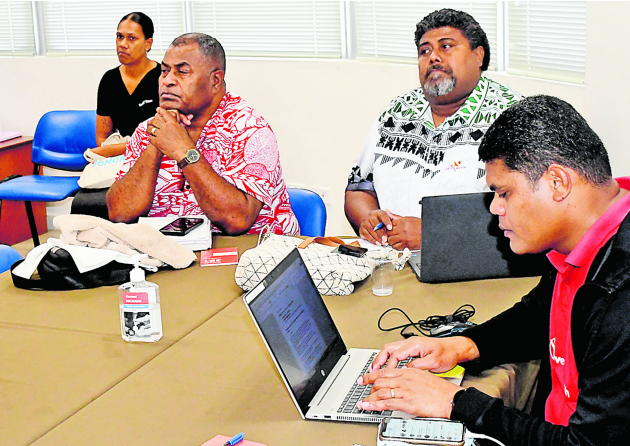
Speaking at the Interfaith search workshop, Mr Vulaono said the country needed to confront the real issue behind the problems facing young people, saying that parents were failing to provide the values and guidance children needed.
“We have a hopeless generation coming in because they are fatherless,” he said.
Mr Vulaono said teachers were now struggling to educate children because some were coming to school without the values and discipline that should have been taught at home.
He said teachers were being expected to deal with problems that began in the family, making their responsibility to educate children increasingly difficult.
Mr Vulaono also outlined what he considered the seven major issues affecting young people, including fighting and bullying, drugs, tobacco use, relationships, sexual behaviour, pornography and abusive language.
“Go to the real issue, the real issue is the parent, the real issue is no parent, the real issue is no father.”
He questioned why adults and community leaders were not raising concerns about behaviours he said were becoming increasingly common among young people.
He also claimed some Year 10 and Year 11 students were living together like husband and wife, questioning why teachers were not speaking out about it.
“These are the things they see at home.”
He said the challenges facing young people could not be ignored and that the responsibility for guiding the next generation had to begin at home.
Drug fight must start at home – Vulaono
FIJI cannot preach war on drugs while turning a blind eye to the kava drinking culture it has normalised, New Methodist Church General Superintendent Atunaisa Vulaono says.
Speaking at the Interfaith Search Fiji workshop on enhancing cooperation among faith-based organisations to tackle social problems, he said Fiji was trying to control illicit drugs without first
addressing the attitudes and habits surrounding substance use that were accepted in homes and communities.
“We teach our children to smoke, we teach our children to drink kava, and now we try to deal with the drugs that we can’t control,” he said.
Mr Vulaono argued that the country must look beyond illicit drugs and examine the behaviours it allows
to become normal from an early age.
“How can we deal with cocaine every week when we can’t deal with the grandfather (the root of the problem)? “We have to deal with the grandfather first.”
He also challenged what he described as a double standard in the way kava and alcohol consumption are viewed, saying kava-related intoxication was often treated more leniently.
He said kava was so widely accepted as part of social and cultural life that its negative effects were often overlooked rather than treated as a serious concern.
Using the example of a pastor to illustrate his point, he argued that drinking beer or spirits could result in disciplinary consequences while intoxication from kava might be more readily accepted in churches.
He said workers in Fiji were struggling to perform their duties after drinking kava the previous night.
“The productivity is very low.”
He called for stronger education and spiritual guidance, arguing that prevention must begin within families and communities rather than only after problems emerge.