THE National Federation Party (NFP) wants Fiji to draw on the strongest democratic elements of its previous constitutions while reflecting the lessons of the country’s constitutional history as Government considers the Constitutional Review Commission (CRC) report.
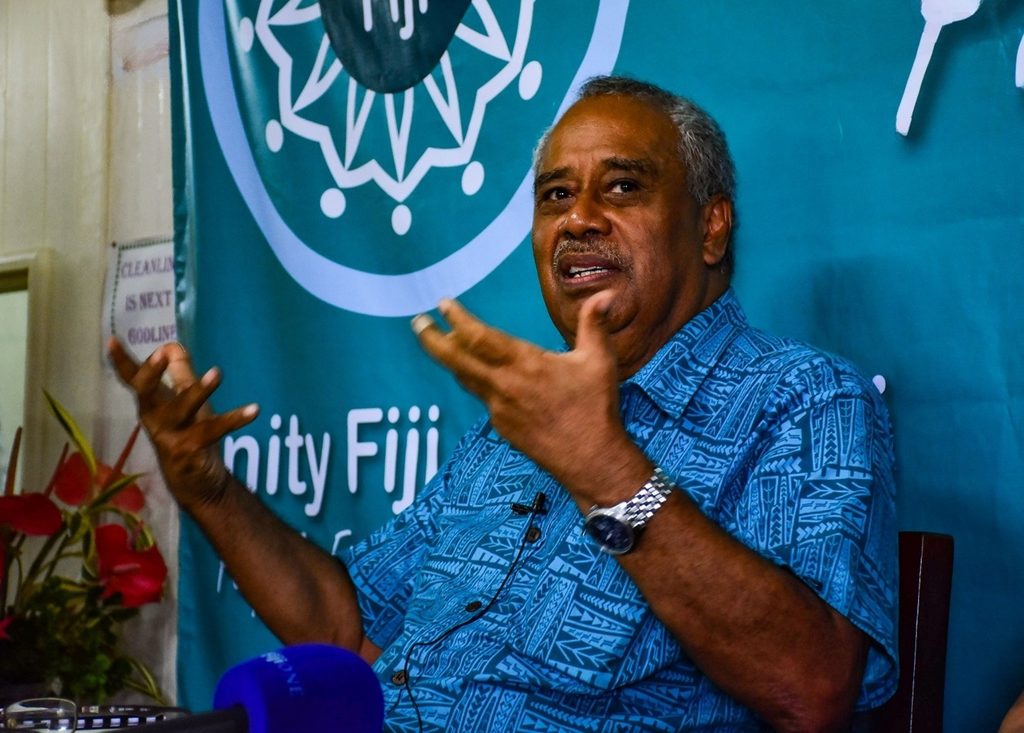
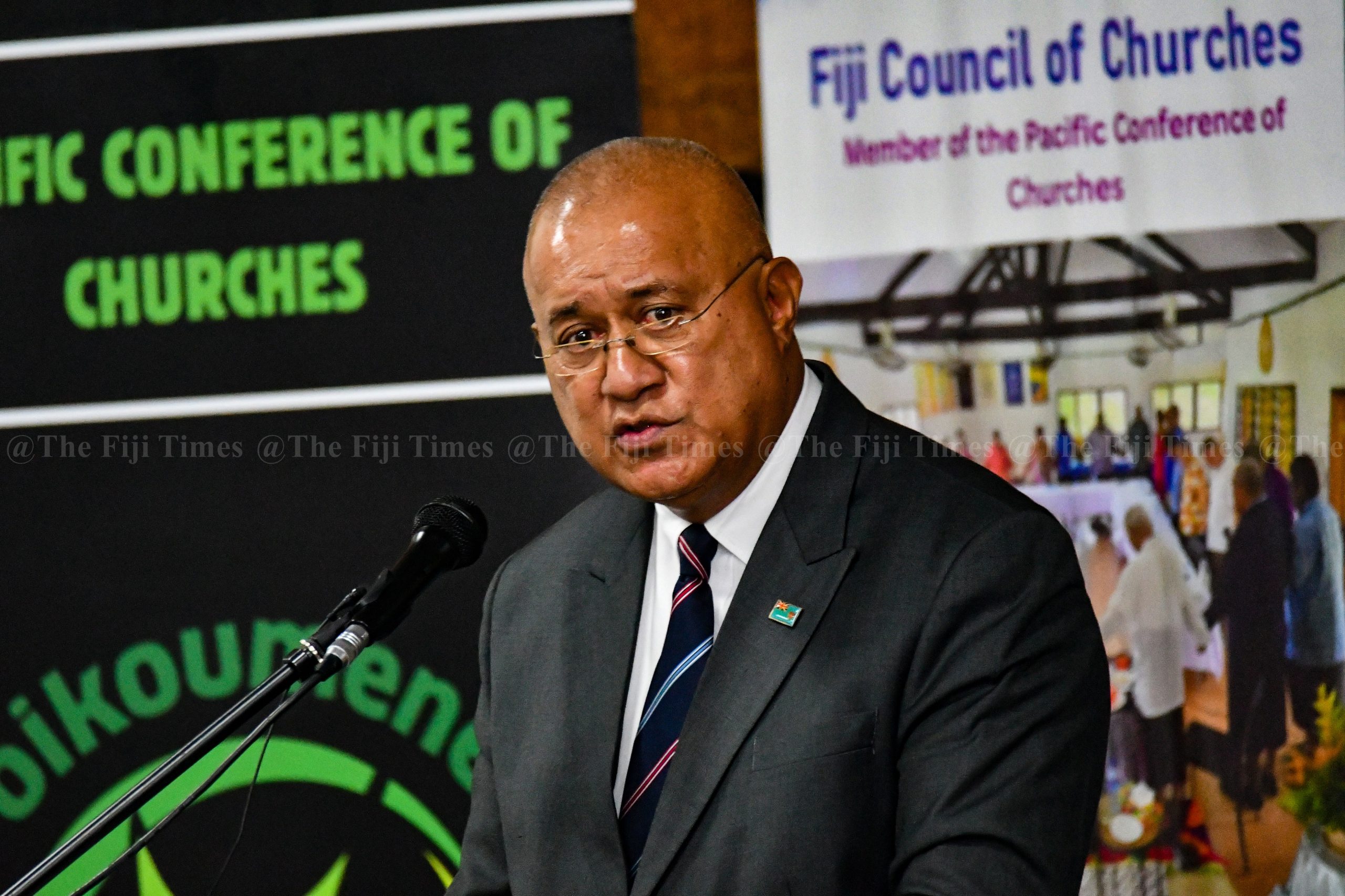
Speaking at the NFP’s national convention, party leader Professor Biman Prasad supports a new constitution that balances equal citizenship, indigenous rights, stronger institutions and democratic civilian authority.
His comments came after the CRC report and draft Constitution were tabled in Parliament on September 22.
The commission has proposed major changes including the removal of coup-related immunity and changes to the constitutional role of the military.
“NFP supported equal citizenship and the common national identity of Fijian for all citizens, as well as a secular State protecting freedom of religion and belief,” Prof Prasad said.
He said laws relating to iTaukei affairs and land, Rotuma, the Banaban community and agricultural tenants should receive stronger constitutional protection, with changes requiring a two-thirds parliamentary majority.
“Equality must never be used as an excuse to weaken the secure ownership of iTaukei land, and indigenous rights must never be used as an excuse to deny another citizen equal protection before the law.”
Prof Prasad also called for greater independence of constitutional offices, the restoration of the Office of the Ombudsman and legislation covering a Code of Conduct, accountability and transparency, and freedom of information.
He said the party supported removing broad constitutional immunity for those involved in overthrowing elected governments or violating human rights.
Prof Prasad said the military had an important role in national defence and security but should not have constitutional authority to oversee the country’s broader affairs.
“A new constitutional settlement must also make public institutions genuinely independent.”