
FIJI may be facing the same behavioural challenges that New Zealand experienced years ago, including rising disruptive behaviour in classrooms, students disengaging from learning, and children struggling with self-control.
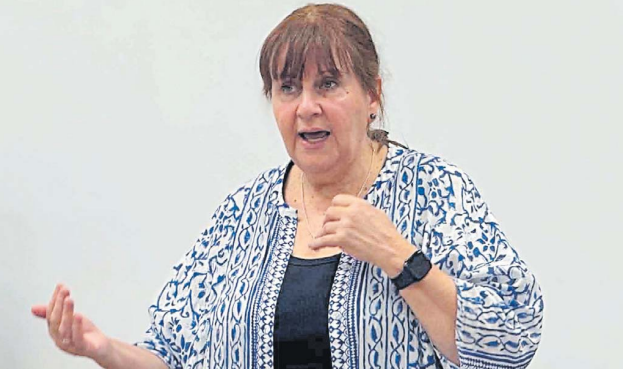
Glenview School principal in Wellington Lynda Knight, said at a trauma-informed educators’ workshop in Suva yesterday, organised by Thrive Fiji Trauma-Informed Consultancy and Care Services, that schools in New Zealand once struggled to understand rising behavioural issues among students.
“We were seeing some big behaviours, and we didn’t really understand what was happening there,” Ms Knight said.
She said Fiji could now be at a similar stage of development in addressing student behaviour and wellbeing.
“Fiji is at a place that New Zealand was at maybe about six years ago.”
Ms Knight said schools were seeing more children who find it difficult to regulate emotions, stay engaged in learning, and manage behaviour in the classroom.
She said these challenges were not simply about discipline but often linked to deeper emotional and developmental factors.
Ms Knight said when children were under stress or dealing with emotional difficulties, they may struggle to access the part of the brain responsible for decision-making and self-control.
“When they have things going on for them where other parts of the brain are on fire, are dysregulated, it makes it really hard for them to access those executive functions.”
She also pointed to changes in modern parenting, saying emotional connection between parents and children was increasingly affected by technology use.
“I know if I was a young parent now, I’d probably be guilty of going on my phone and not connecting with the child enough.”
She said this lack of connection can influence children’s emotional development and behaviour.
Ms Knight said training teachers to understand brain development changes how behaviour was managed in classrooms.
“Once our teachers start to understand some of the basic neuroscience about how brains work, they better understand the children and their behaviours.
“We did some learning, we did some studying, we made some changes and as a result of that we cut our behaviour incidents down from something like 400 a year to five in a year.”
She said behavioural issues should not always be viewed as “bad behaviour”, but as symptoms of stress, trauma and emotional dysregulation that required a different approach in schools.

