LAST week we looked at the revival of the traditional yaqona (kava) chant known as Cila na Siga Va Vula Lima by villagers of Navakuru in Labasa, led by the Tui Labasa, Ratu Jone Qomate.
One of the most powerful messages of the ceremony came from those who represented its future.
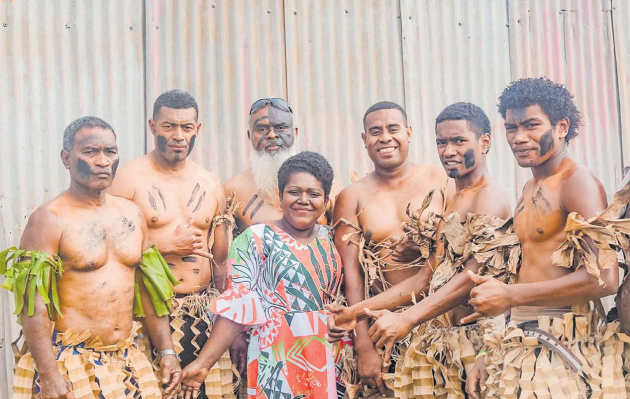
Four young members of the chiefly family participated in the revival. They were Ratu Jone’s son, Ratu Sakiusa, together with Ratu Roqica Qomate and his brothers, Ratu Joji and Ratu Kelepi.
Their involvement demonstrated that cultural preservation is not solely the responsibility of elders. It is a responsibility that must be shared by every generation.
“Their participation symbolised the passing of our traditions from one generation to the next,” Ratu Jone said. “Seeing young members of the chiefly family embrace their cultural responsibilities gave everyone hope that these customs will continue to live on.”
Across Fiji, many communities continue to grapple with the challenge of preserving traditional knowledge in a rapidly changing world. Modern technology, migration and changing lifestyles have made it increasingly difficult for younger generations to learn traditional ceremonies, accompanying chants and associated protocols. Many customs that were once common are now practised only occasionally while some have already disappeared.
For traditional leaders such as Ratu Jone, this makes cultural preservation more important than ever.
“As a traditional chief of the vanua of Labasa, I believe it is my personal duty and responsibility to ensure that our customs, traditions and protocols continue to be upheld,” he emphasised.
“These traditions are an important part of our identity and should never be allowed to disappear. They connect us to our ancestors and teach our young people the importance of respecting their culture.”
Culture, he believes, is not something that belongs only in museums or history books. It must remain a living part of everyday community life. That means songs and chants must continue to be sung. Ceremonies must continue to be performed. Traditional knowledge must continue to be taught.
The revival of Cila na Siga Va Vula Lima is therefore about much more than preserving a chant. It is about strengthening identity. It reminds people of where they come from and reinforces the values that have united the vanua o Labasa for generations.
Every performance carries stories of ancestors who built the foundations of today’s communities. Every verse reflects respect, humility and unity. Every ceremony strengthens the bond between people and their vanua.
Ratu Jone hopes the revival will inspire other villages to revisit their own traditional practices. Many communities possess songs, chants and ceremonial customs that have not been performed for years. Some survive only in the memories of the elderly. He believes those traditions deserve renewed attention before they disappear completely.
“I hope this revival inspires other villages within the vanua of Labasa to preserve and practise their own traditional chants and ceremonies,” he added.
“Our culture is one of our greatest treasures, and it is our collective responsibility to protect it.”
He said teaching these traditions to children today would ensure they continued long into the future. The revival also highlighted the important role elders play in protecting indigenous knowledge.
Without their dedication, the chant may have vanished completely. Instead, they quietly carried its lyrics through the years until the next generation is ready to receive them.
Their commitment reflects a broader truth about culture. Traditions survive because people choose to preserve them. They require patience, teaching and participation. They also require opportunities for younger people to experience them firsthand rather than simply read about them.
Watching the young stand proudly alongside their elders during the ceremony offered reassurance that the future of the tradition remains strong. It is a reminder that culture flourishes when knowledge is shared, responsibilities are embraced and young people are given the chance to lead.
For Ratu Jone, preserving cultural practices is about honouring those who came before while preparing those who will follow.
“By teaching these traditions to our children today, we ensure they will remain alive for many generations to come,” he said. “Reviving our cultural practices strengthens the identity of our people and reminds us of where we come from. It encourages young people to take pride in their heritage and appreciate the wisdom handed down by their elders. Cultural traditions also foster unity within the vanua by bringing families and communities together through shared customs and ceremonies.
“If we fail to preserve these practices, future generations may lose an important part of their history and identity. By keeping our traditions alive today, we honour the sacrifices of our ancestors while ensuring that the unique customs of the vanua o Labasa continue to flourish for generations to come.”
As the final notes of the yaqona chant echoed through the gathering, it was clear that the revival represented far more than the return of a forgotten tradition. For the vanua of Labasa, Cila na Siga Va Vula Lima had reclaimed its rightful place in one of the most important cultural ceremonies of the vanua.
Its revival showed the determination of a chief to preserve their heritage and the willingness of a new generation to embrace the customs entrusted to them. It was a reminder that culture is kept alive not only through memories, but through practice, participation and the passing of knowledge from one generation to the next. As long as these traditions continue to be taught and honoured, the spirit of the vanua of Labasa will endure, carrying its history, identity and values into the future.