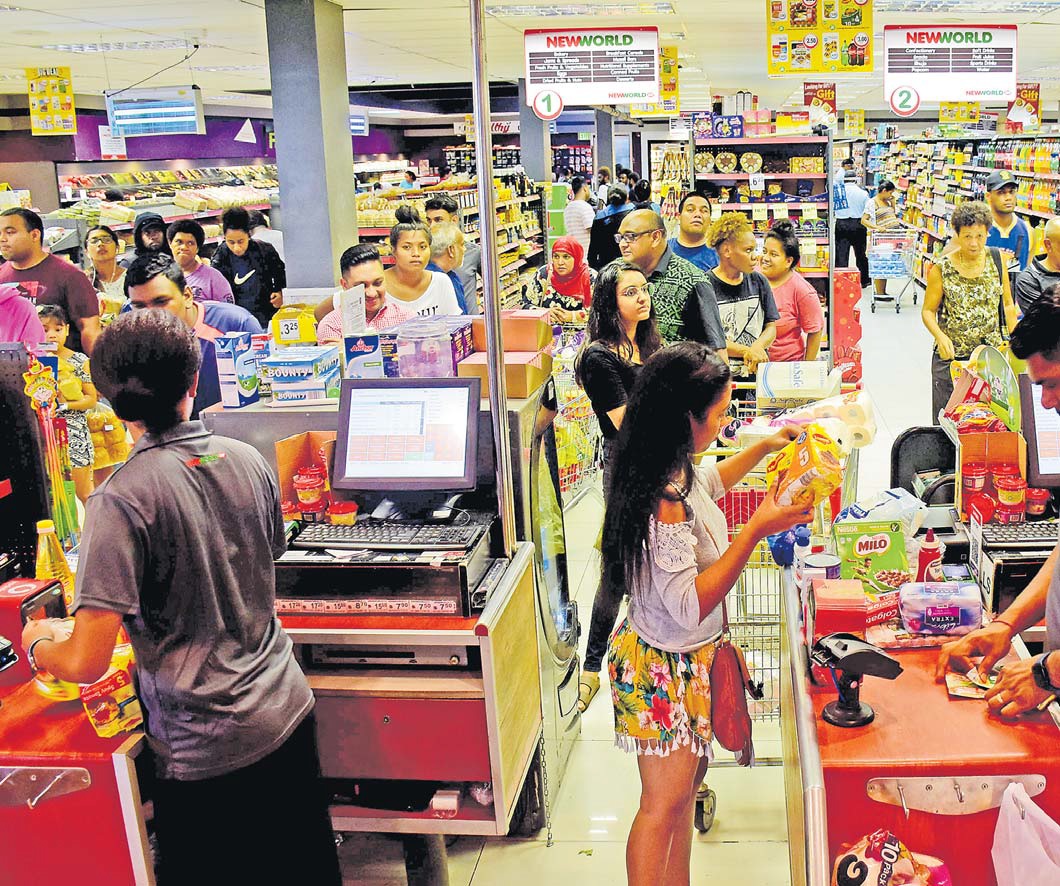
THE Fiji Times of June 19, 1987 reported on the panic buying of sugar as people feared the commodity would run out because farmers would not harvest cane.
The article stated major supermarkets and stores throughout Fiji were being cleaned out of all supplies of sugar and prices rose by between 10 and 110 per cent for a kilo of sugar.
MH supermarkets were selling sugar at 50 cents a kilo, B Kumar Supermarket at 48 cents a kilo, RB Patel at 65 cents a kilo and smaller shops were selling at up to $1 a kilo. At the time, sugar normally retailed at around 45 cents a kilo.
Stores were also placing restrictions on the amount a customer could buy.
The then assistant general manager for merchandise at MH, Patrick Clarke, said all MH branches had run out of sugar in two days.
He said MH had put 15 tonnes of sugar on supermarket shelves and the following day, all stores had run out.
“This is the biggest panic buying I have seen in any of our stores since the coup,” Mr Clarke said.
He said MH was restricting sales to two kilos per customer and even then, the entire supply was wiped out.
“People were coming in just to buy sugar,” he said.
He said under normal circumstances, MH went through 28 tonnes of sugar a week.
“People are beginning to feel that farmers will not be harvesting cane so there will be no sugar for the local market.
“We will be getting our next supply of sugar next week and I think I will introduce a special sugar booth so that our regular customers are not hindered by these sugar shoppers.”
A director of RB Patel supermarkets, Ambalal Patel, said his stores had to get their supply from Lautoka.
“Previously, we used to get our supply from Nausori but if you add on the extra transport costs, the increase is quite reasonable,” Mr Patel said.
He said some shops were hoarding sugar and giving it to customers who bought more than a certain amount of groceries.
The supermarket’s next supply of sugar was expected the following week from the Fiji Sugar Corporation (FSC).
The FSC had put aside 10,000 tonnes of sugar from its exports to cater for local demand.