THE prolonged drought of 1998 caused substantial losses for copra planters in Savusavu, The Fiji Times reported on September 2, 1998.
The weather were sapping the industry, with coconut trees bearing “mongrel nuts”, disappointing farmers who wanted to take advantage of the high price it attracted.
Some plantations were, for the first time, losing coconut trees that had survived weather over the previous eight decades.
Planters who bred cattle to supplement earnings from copra were getting rid of the animals because feeding grounds had dried out.
Bare grounds extended for miles and planters searched around the countryside for cattle feed.
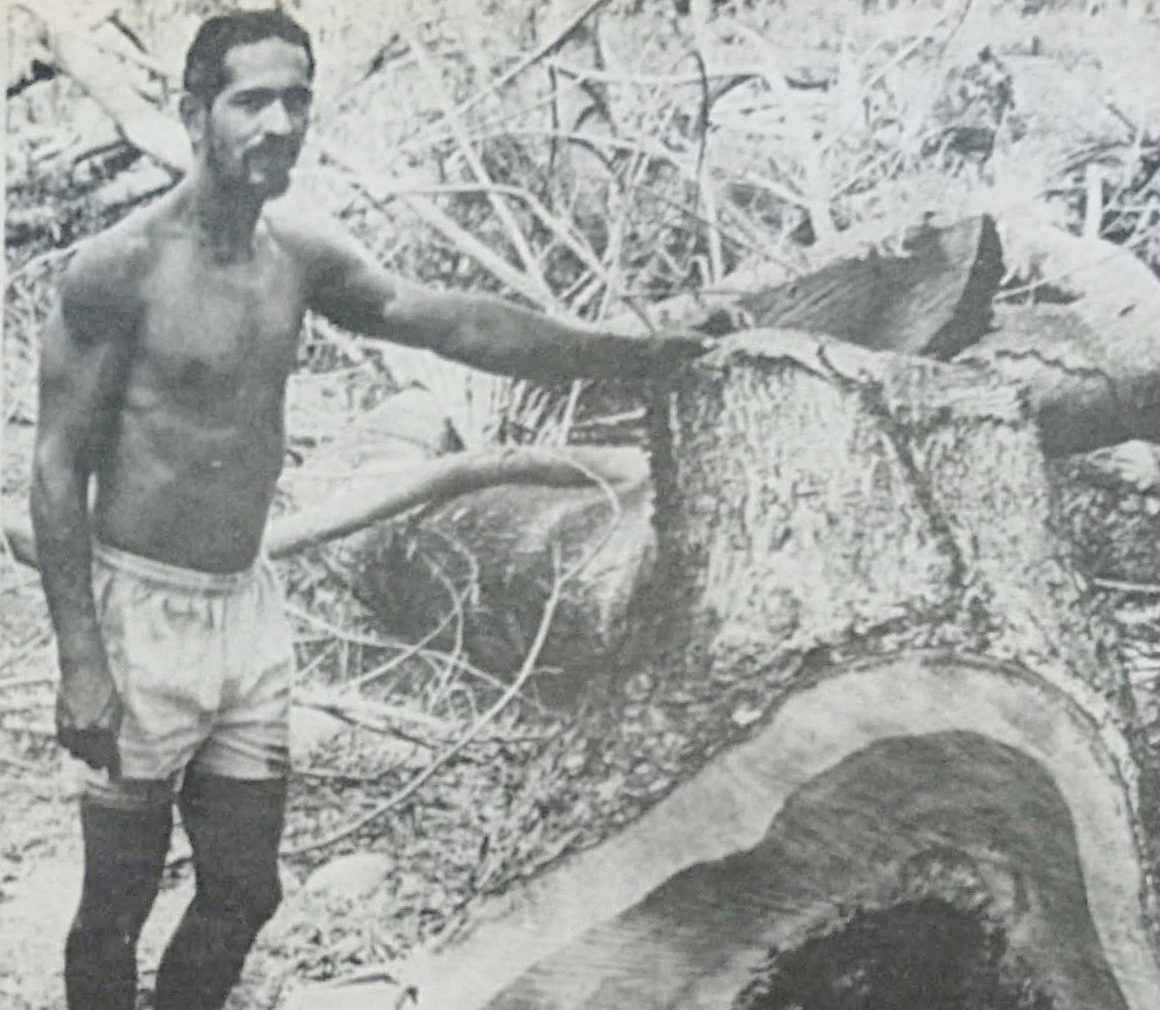
At some estates, rain trees were fast disappearing.
Planters chopped them down to feed cattle.
The planters bred cattle to pay labourers or villagers who helped clean the compounds.
“Everything is dying. There’s no more grass, so we have started cutting down trees so that they could eat the leaves,” planter David Smith said.
“But if the drought continues, I don’t know how long we can do this.
“We have no choice but to sell the cattle.
“We have to get rid of them, because in that way, we can at least make some money.”
Pointing at two calves running by the roadside, he said: “Looks like those two have lost their mother. They’ve been running around for days”.
“Labourers are very expensive, and it is very difficult because cutting copra is a very hard job.
“So, the cattle usually supplemented our earnings, especially when the price of copra was very low. One whole village would come to clean the estate, and we would pay them with two or three bulls.
“Now we have to look at paying labourers with cattle because we have to get rid of them.”
Mr Smith lived on the 280-hectare family estate, Benau. Down the road at Naqaqa Estate, Jessie Jackson, 79, expressed similar plans.
“This is the worst drought I have seen in years,” she said.
“We have had long periods of dry weather before, but this is the first time I have seen the creek dry up.”