
The exploitation of reefs and sea beds is not a new issue. In an article published in The Fiji Times on April 8, 1976, registered complaints were received from coastal villagers and other communities living near the sea concerning the exploitation of reefs and sea beds.
They claimed the issue was not properly dealt with.
And complaints on the illegal activities arose from those whose entire livelihoods depended upon it.
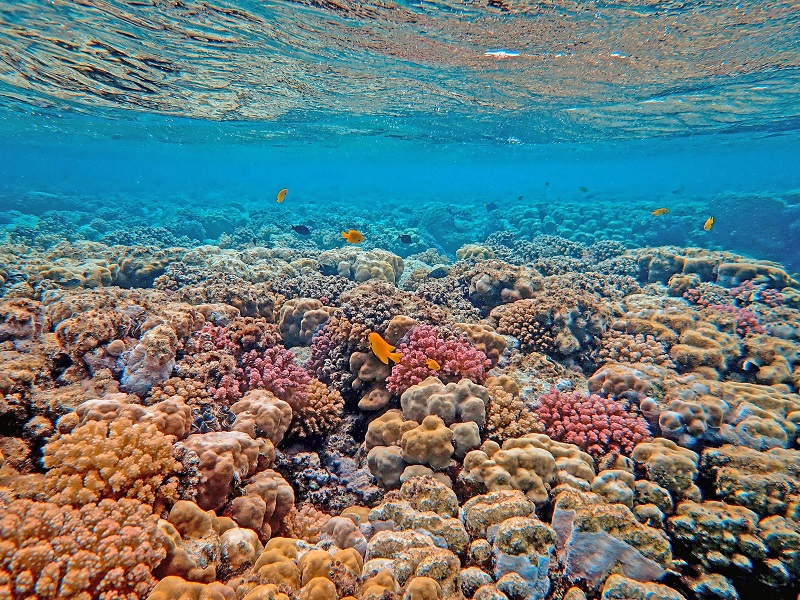
Those living in coastal areas claimed the illegal activities were not only harming the living organisms which sheltered in the reefs, the removal of coral and sea clams was also damaging the reef systems.
As a result, they called for a stronger stand to be taken against those involved in the business of selling coral and sea clams.
The islanders claimed that businessmen were paying villagers to gather coral and sea clams for them. Two local companies had been buying coral and sea clams from villagers on the coast of Viti Levu and Vanua Levu and also from a few islands in Lomaiviti and Lau groups.
Lekima Toga, of Tuatua Village on Koro Island, said the exploitation had damaged coral reefs in Fiji.
“When the buyers do not turn up at the given time, the coral and clams are left by the coast,” he said.
A Suva-based company had been paying villagers of Togalevu along the Queens Rd to gather coral for them.
The coral was dried out at the village and then packed in containers which the company provided.
The Fiji Times understood that coral was also being exported to Hawaii. A woman from Tuatua Village claimed that a Ra businessman was buying sea clams and coral from them. Mounds of sea clams and coral lined the road to the village, leftovers from previous buying sessions.
The indiscriminate harvesting of marine resources was condemned by the acting director of the University of the South Pacific’s Institute of Marine Resources, John Seeto.
“The reefs are important as a source of fish and shell fish to the coastal villages and it is essential that they should not be adversely affected by development,” he said.
Mr Seeto said the coral provided shelter for organisms that lived around them.
“And when they are removed, all these organisms die because they cannot find shelter anywhere else.”
Quoting abstracts of the Fourth International Coral Reef Symposium, in Manila in 1981, Mr Seeto said that coral reefs were one of the most productive ecosystems on Earth.
“They cover about 0.1 per cent of the Earth’s surface. They are an important element in local subsistence economies and they represented a triumph of symbiosis between animal and symbiotic algae.
“They form a rich ecosystem in what is very often poor oceanic environment.”
Mr Seeto said their importance to man was evident on low island archipelagos.
“On a world scale, about 50 to 70 per cent of people inhabit the coastal zone of the planet.”

