VENIANA Yagasiri turns a traditional weaving skill into a source of income for her family, helping meet the cost of educating her three daughters.
A simple weaving skill passed down by an aunt has become a valuable source of income for her and her family, with her distinctive handwoven fans finding favour among buyers.
Originally from Druadrua in Namuka, Macuata, Veniana has always considered Dogotuki home because of her father’s maternal links to the area. She is now married and lives in Drawa Village, Cakaudrove, where she and her family depend largely on yaqona (kava) farming for their livelihood.
However, with yaqona taking considerable time to mature before it can be harvested and sold, the family has had to explore other ways of earning an income.
That search led Veniana back to a traditional skill taught to her by her father’s sister, who showed her how to make fans using voivoi (pandanus) leaves and sasa (coconut leaflet sticks).
What began as a way to earn extra money has since developed into a small family enterprise, with the distinctive fans becoming increasingly popular among buyers.
“This has been a source of income for me and my family back at home,” she said.
A skill passed down
Veniana said her aunt had taught her the weaving technique, explaining that making fans was one of the easiest ways to earn a little money to support a family.
Her aunt had also relied on the craft following the death of her husband, using the income from selling the fans to meet household needs.
Veniana recalled how her aunt once gave her 10 fans to sell. They were quickly bought, an experience that made her realise there was a market for the handmade products.
She later received interest from Rise Beyond the Reef, which ordered some of the fans and asked whether the family could produce more for future buyers.
The interest encouraged Veniana to continue weaving, particularly as the additional income helped with the family’s daily expenses.
“I like to call it the Dogotuki fan,” she jokes.
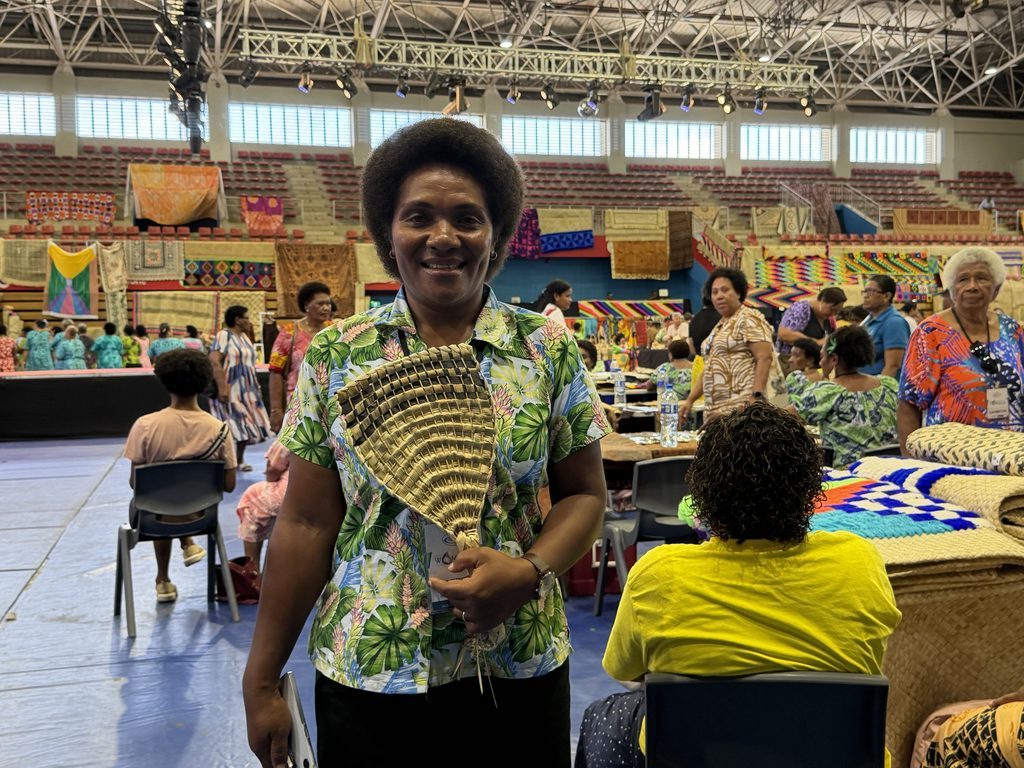
The fan is made from dried voivoi leaves, which are carefully woven together and secured with slender sasa sticks.
Unlike many of the other fans displayed at this year’s Women’s Expo at the Vodafone Arena, which were made using coconut leaves or young coconut fronds, Veniana’s design features pandanus leaves as its main material.
She said coconut materials were commonly used for the bodies of other fans, while voivoi was often reserved for their handles.
Her family’s design has a broad, rounded, semi-circular shape that tapers towards the base, where the handle is held.
The curved outer edge gives it a distinctive appearance, while the natural golden colour of the dried pandanus leaves brings out the detail of the weaving.
Each fan requires patience and careful handling of the materials, with the finished product reflecting a skill that has been passed down through generations.
A family effort
The craft has become a shared undertaking in the Yagasiri household.
Veniana’s husband and their three sons help collect materials and weave the fans, while her three daughters also play an important role in making the products.
She said the family worked together whenever they had time, fitting the weaving around their other household responsibilities.
Depending on how much time they could dedicate to the work, they were able to produce several fans in a day.
Veniana said one person could complete about two fans in a day. With her and her daughters working together, they could make as many as eight.
The smaller fans sell for $10 each, providing the family with extra money while they continue their farming activities.
Their involvement was particularly evident at this year’s Women’s Expo, where Veniana showcased and sold the handmade fans with help from her daughters.
She said their assistance had made a difference, and she hoped to sell as many fans as possible during the event.
“They have helped me a lot and I hope I can sell as many as I can so I can take back the money for my daughters,” she said.
Supporting her daughters’ education
Behind Veniana’s determination to grow the small enterprise is her responsibility as a mother of three daughters attending secondary school.
She said meeting the costs associated with their education could be expensive, making the additional income from the fans especially important.
The craft has provided the family with another way to meet everyday expenses without having to depend entirely on their yaqona harvest.
Although Veniana is married and lives in Drawa, she maintains close links to her home in Dogotuki.
She said Rise Beyond the Reef often visited Lutukina, where her children are educated, creating opportunities for families there.
For Veniana, the fans have offered a practical way to make use of a traditional skill while contributing to the household income.
What started with 10 fans given to her by her aunt has grown into a family activity that brings everyone together.
With her daughters helping at the weaving table and her husband and sons gathering the materials, the Dogotuki fan has become more than a handmade product.
It is a way for the family to earn extra money while helping Veniana meet one of her most important responsibilities: providing for her children’s education.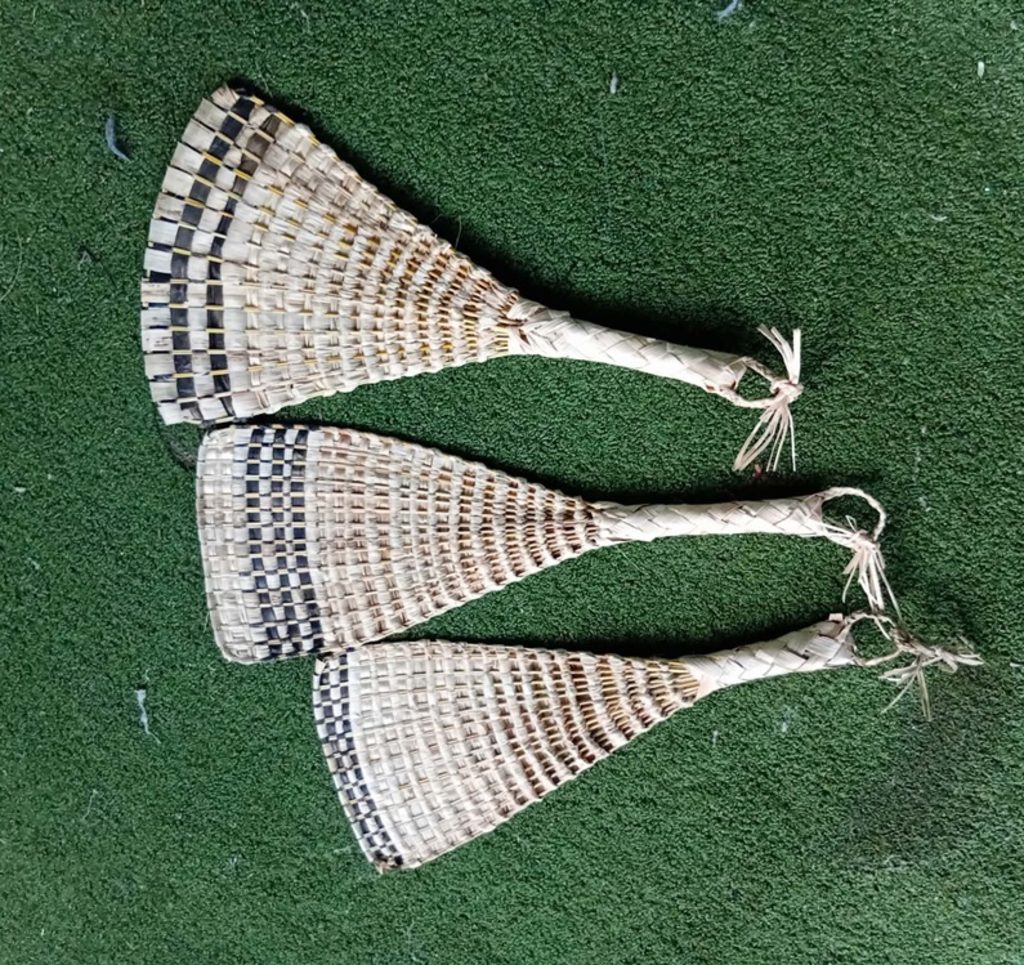
The fans that Veniana Yagasiri makes with her family. Picture:
SUPPLIED
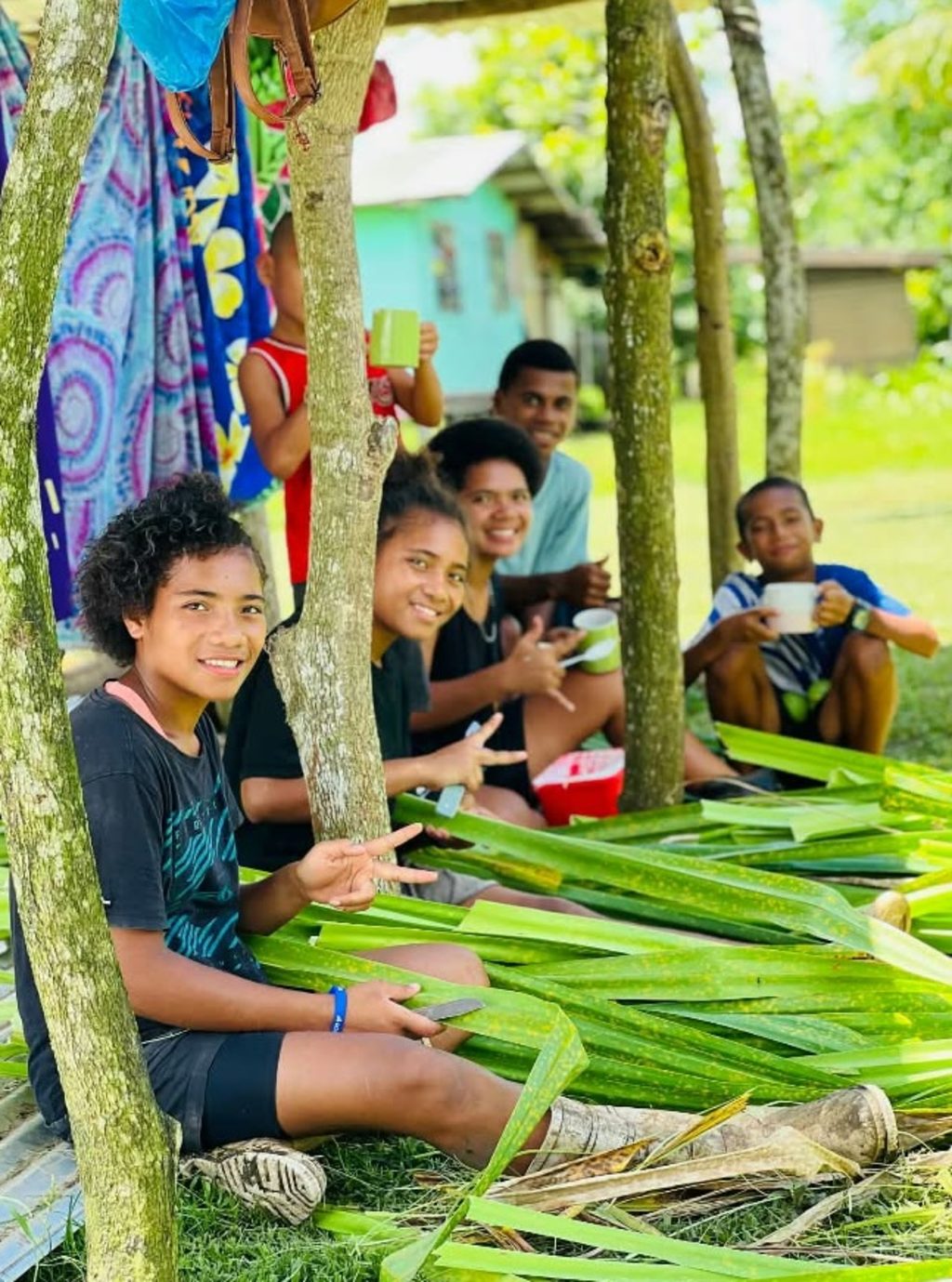
With her daughters helping at the weaving table and her husband and sons gathering the materials, the fan has become more than a product. Picture: SUPPLIED
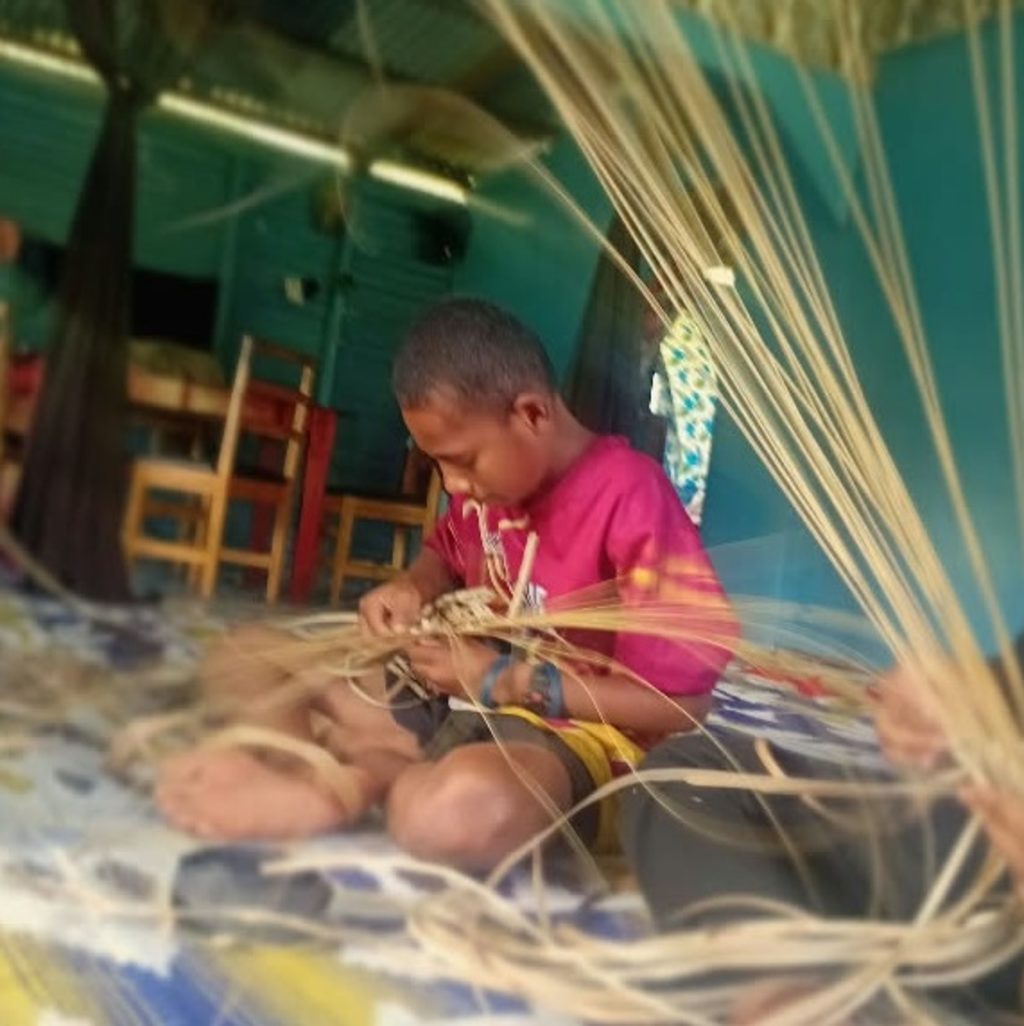
Her son helps with the weaving. Picture: SUPPLIED
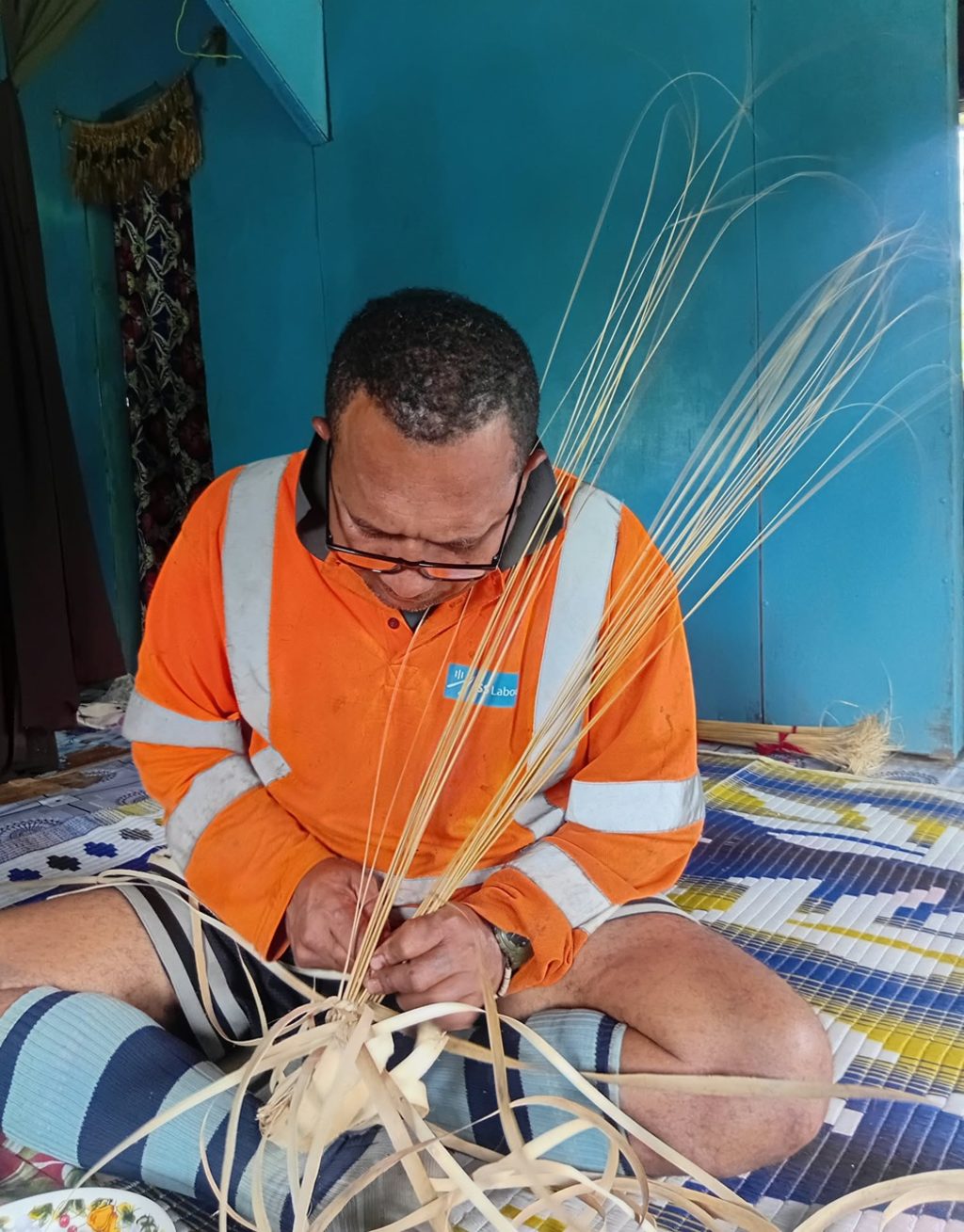
Her husband also helps with the work. Picture: SUPPLIED